sales@bonporaparts.com
0086-10-64988621
English
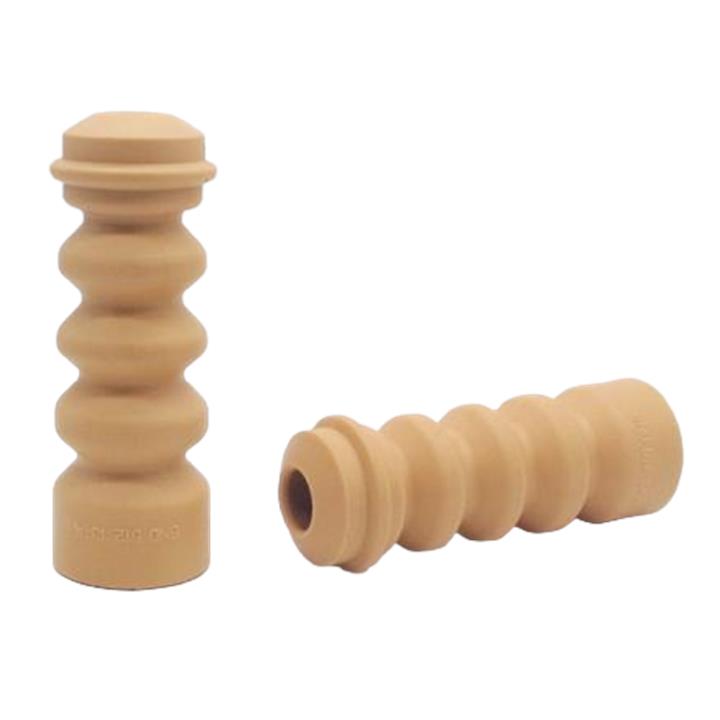
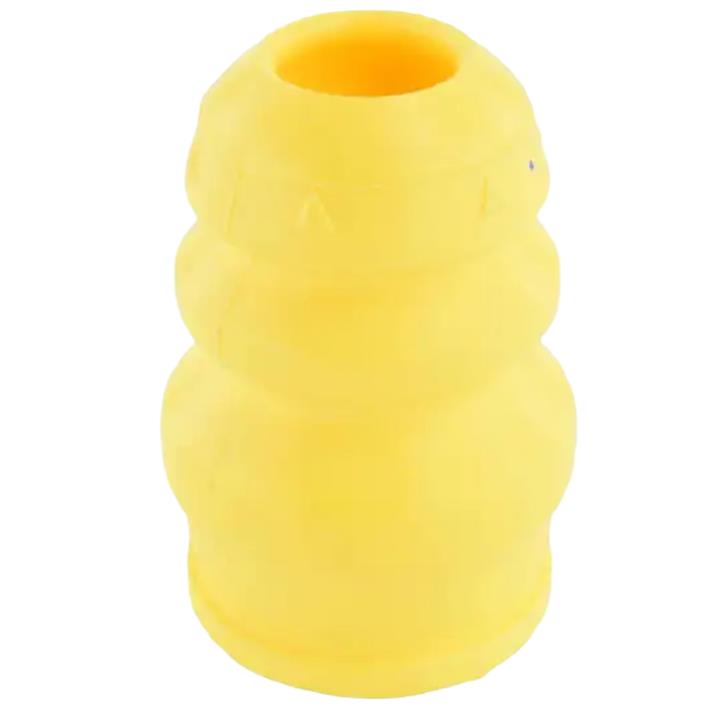
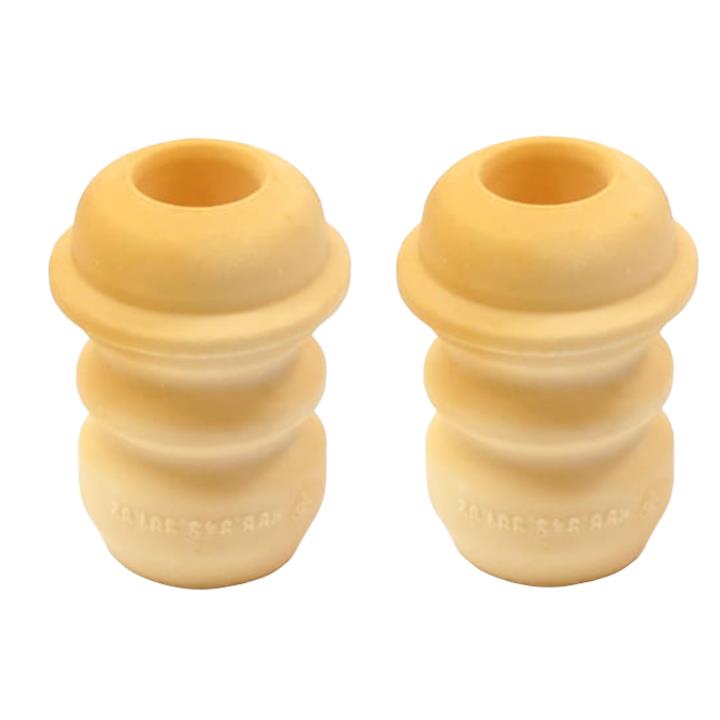
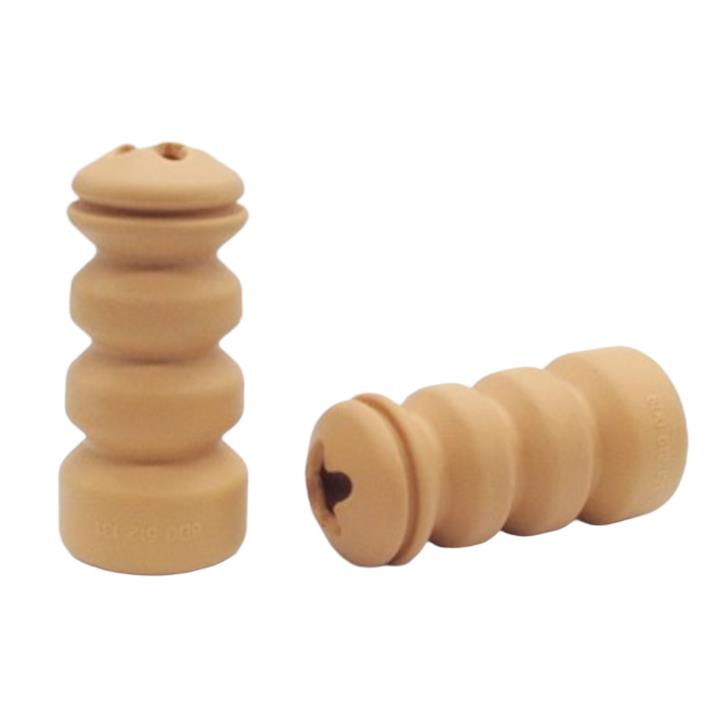
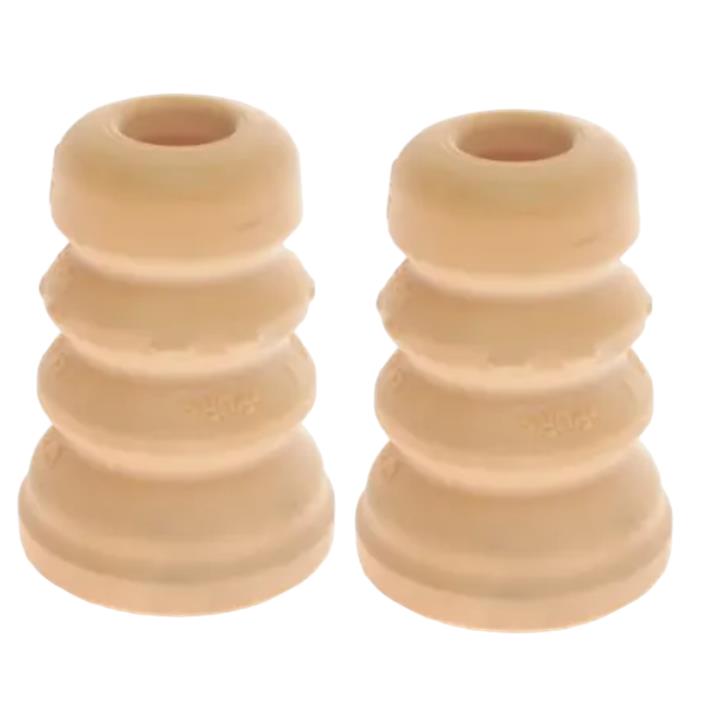
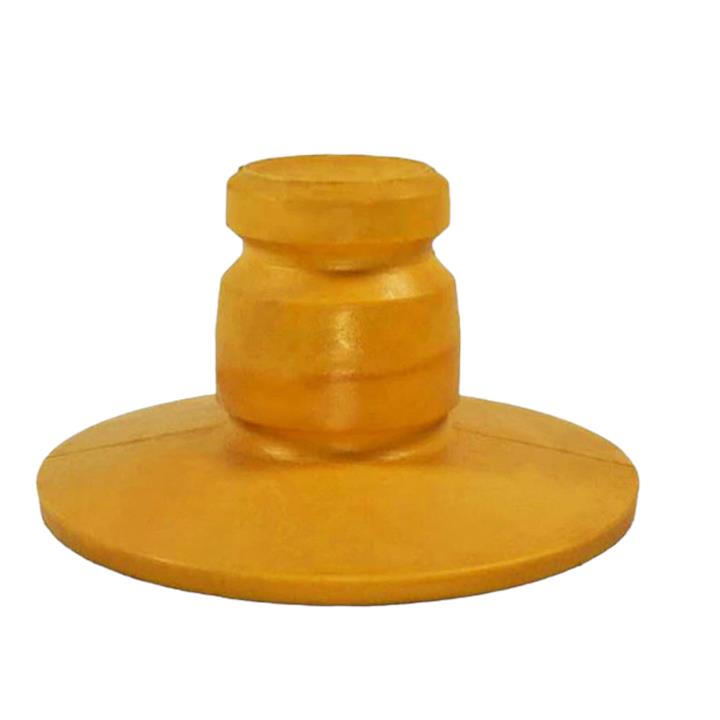
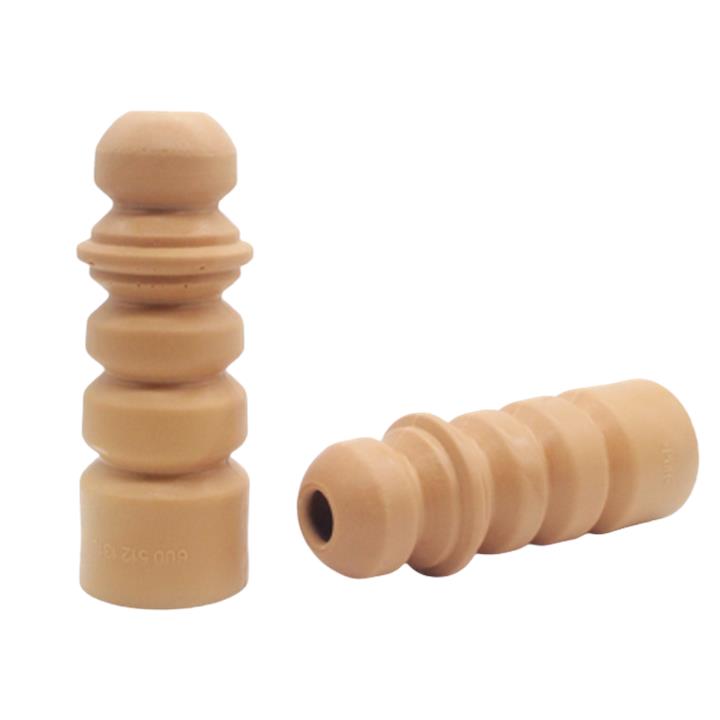
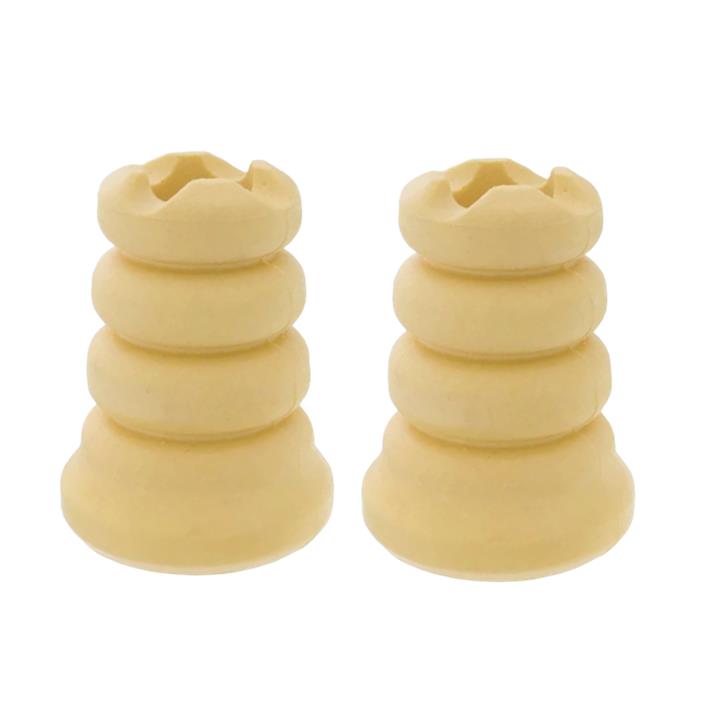
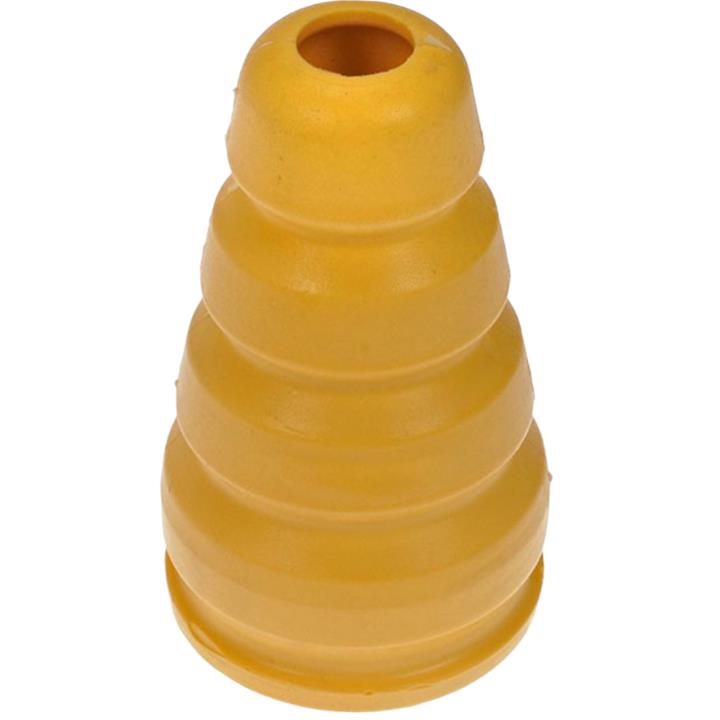
The 20321-AG010 strut bump stop is a suspension buffer for Subaru models that use a MacPherson strut front end and a multi-link or strut-type rear end. It slides over the shock absorber piston rod and acts as a progressive jounce bumper: it controls the last part of suspension travel, absorbs impact energy before the damper bottoms out internally, and keeps the strut mount, the coil spring seat and the body from taking metal-to-metal contact. Importers, suspension rebuilders and wholesale distributors normally source this item by OE number plus a measured dimension check, because several Subaru platform variants share a nearly identical look on the shelf.
| Item | Specification |
|---|---|
| Product Name | Strut Bump Stop |
| OE Number | 20321-AG010 |
| Bonpora Nos | 4110167 |
| Fitment | Subaru |
| Size | Φ21.5 mm x Φ51.5 mm x 79 mm (inner bore x base outer diameter x free height) |
| Material | Polyurethane (PU) |
| Country of Origin | China |
| Warranty | 1 Year |
| Delivery Time | 15-30 Days |
| Packaging | Neutral Export Packaging |
| Custom Service | OEM & Custom Design Support |
A model name is a marketing label, not an engineering identity. The same Subaru platform can carry different badges across regions and model years, and one showroom name often spans several suspension generations with different springs, dampers and buffer heights. The OE number 20321-AG010 removes that uncertainty: it identifies one physical buffer with a defined bore, base diameter, free height and bond between the elastomer and the mounting plate. Experienced buyers use the OE number as the first filter and the measured dimensions as the second, and they treat the vehicle name only as a cross-check.
Subaru parts numbers are structured in blocks. The leading group (20321) identifies the function within the suspension section, where 203 group codes are typically used for strut and spring-related components. The middle block (AG) is a platform or generation identifier, and the trailing block (010) is the individual part or revision index. Because a later revision letter or number can change height, hardness or compound without changing the family code, a quote request should always carry the complete number rather than the family code alone.
Many factory strut bump stops use cellular foam or a soft microcellular rubber. These give a comfortable first contact but age quickly: they crumble, absorb water, or take a permanent set after repeated full compression, which is the condition commonly found on higher-mileage Subaru cars used on rough roads. Polyurethane is a cast elastomer. It holds its shape under cyclic loading, resists oils, road salt and ozone, and can be formulated across a broad hardness range, so a supplier can tune the compression curve to a target vehicle instead of copying one generic block.
| Property | Polyurethane (this part) | OEM foam / soft rubber |
|---|---|---|
| Compression set after repeated cycling | Low, recovers shape | Higher, can crush permanently |
| Oil and ozone resistance | Good | Moderate |
| Hardness tuning | Wide range available | Limited |
| Service life in mixed climates | Longer | Shorter, tends to crumble |
If you also buy other suspension buffers, the full range of polyurethane bump stops covers several platform families in the same material grade, which lets you consolidate a mixed order into one shipment.
Bump stops rarely fail alone. Once the buffer collapses, the strut travels further than designed and neighbouring parts start to carry the load. Warning signs reported by workshops include:
Because these symptoms overlap with worn dampers, a replacement should be confirmed by inspecting the shock absorber parts as a system rather than replacing the buffer in isolation.
The part is produced in China and shipped under neutral export packaging, so the carton carries no aftermarket brand and can be relabelled for your own programme. Standard production lead time is 15-30 days depending on order volume and whether tooling already exists. A 1-year warranty applies to the supplied buffer under normal installation and service conditions.
Buyers who need a private-label buffer, a different hardness grade, a modified flange, or a part that no longer appears in any catalogue can use the custom parts service. Production starts from a drawing or a physical sample: we measure the sample, confirm the compression curve, produce a tooling sample for fitment approval, and only then move to batch production. This route is common for older Subaru platforms where the original foam buffer is discontinued but the vehicle fleet is still large enough to justify a production run.
Each batch is inspected on three points. First, dimensional inspection of the bore, base diameter and free height against the approved sample. Second, visual inspection for flash, voids, cracks and uneven bonding. Third, a compression and rebound check on a sampled basis to confirm the hardness grade and that the buffer returns to its free height without permanent set. Batch records are kept so any shipment can be traced back to its production lot.
No. The number identifies one buffer design used across a defined group of strut layouts. Because the same platform can appear under different names and model years, the correct approach is to confirm the OE number against your parts catalogue and then verify the bore, base diameter and free height against the part you are replacing. A vehicle name alone is not sufficient confirmation.
Yes, and this is a common upgrade. The bore and the mounting geometry must match, but the material can differ, and polyurethane typically lasts longer than the foam it replaces. Select the hardness grade that suits the vehicle weight and how the car is used; for heavy loads or frequent full compression, a firmer grade is usually specified.
Minimum order quantity depends on whether the part is already in production or needs new tooling. For an existing reference such as 4110167 the entry quantity is lower; for a new custom buffer, tooling and a sample approval stage apply first. Share your target annual volume and we will confirm the practical MOQ for your case.
Standard packing is neutral export carton, suitable for container consolidation and for relabelling under your own brand. Inner packing can be adjusted on request, and mixed references can be combined in one shipment if the order is planned in advance.
Send the full OE number, your measured dimensions and the target model year, and we will confirm availability, hardness grade, packaging and lead time. Samples can be arranged before a production order so your workshop can verify fitment on a real vehicle.