sales@bonporaparts.com
0086-10-64988621
English
How shock absorbers work
Mainly through the hydraulic principle to absorb and consume vibration energy, thereby reducing vibration.
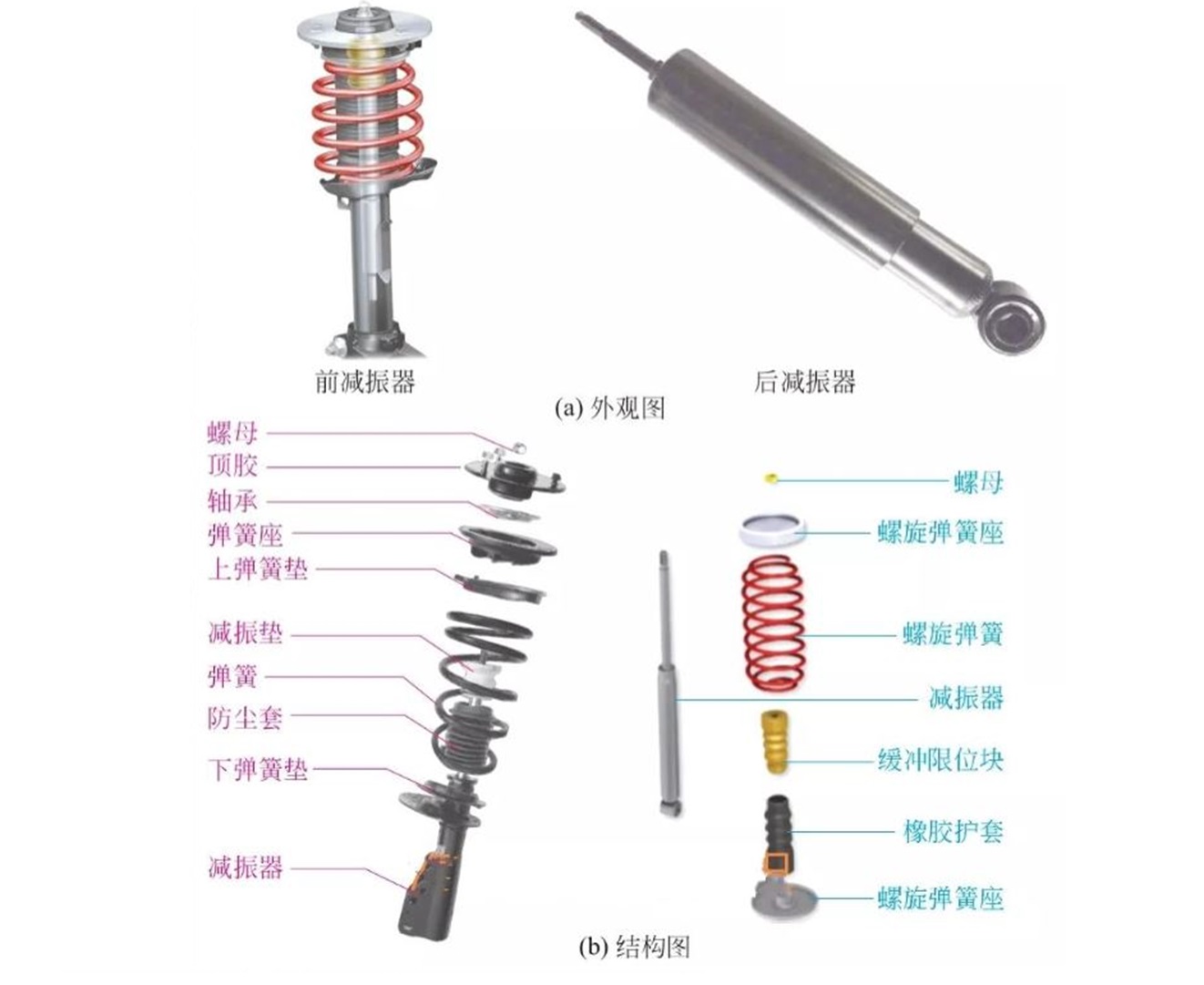
The shock absorber, also known as the damper, is an important buffer component that not only absorbs the kinetic energy of the suspension system, but also dissipates the kinetic energy into the air in the form of heat. The internal structure of the shock absorber includes a piston rod that can move up and down, a rebound spring, a piston base, and hydraulic oil. There are two cylinders inside the shock absorber, namely the working cylinder and the oil storage cylinder. The working cylinder is always filled with hydraulic oil, and there is also hydraulic oil in the reservoir cylinder. When the shock absorber is pressed down by an external force, the piston moves downward. At this time, the compression valve in the piston opens, and hydraulic oil flows into the upper chamber through the valve. Because the valve is smaller, the speed at which hydraulic oil passes through is slowed down, creating damping of the downward pressure. During this process, each valve controls the flow of hydraulic oil, thereby achieving a shock-absorbing effect.
In addition, the working principle of the shock absorber also includes the hydraulic shock absorber part. When the frame (or body) and the axle undergo relative motion due to vibration, the piston in the shock absorber moves up and down, and the oil in the shock absorber chamber repeatedly flows from one chamber through different pores into the other chamber. At this time, the friction between the hole wall and the oil and the internal friction between the oil molecules form a damping force on the vibration, converting the vehicle vibration energy into oil heat energy, which is then absorbed and emitted into the atmosphere by the shock absorber. The damping force increases or decreases with the relative movement speed between the frame and the axle (or wheel), and is related to the viscosity of the oil.
To sum up, the shock absorber absorbs and consumes vibration energy through hydraulic principles and hydraulic shock absorption mechanism, effectively reducing vibration and impact during car driving, and improving driving smoothness and comfort.
Shock absorber structure diagram