sales@bonporaparts.com
0086-10-64988621
English
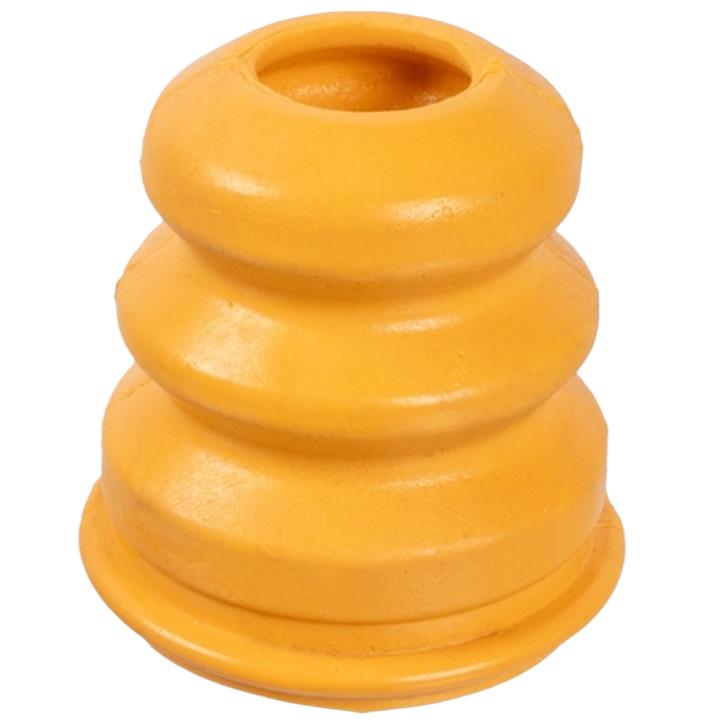
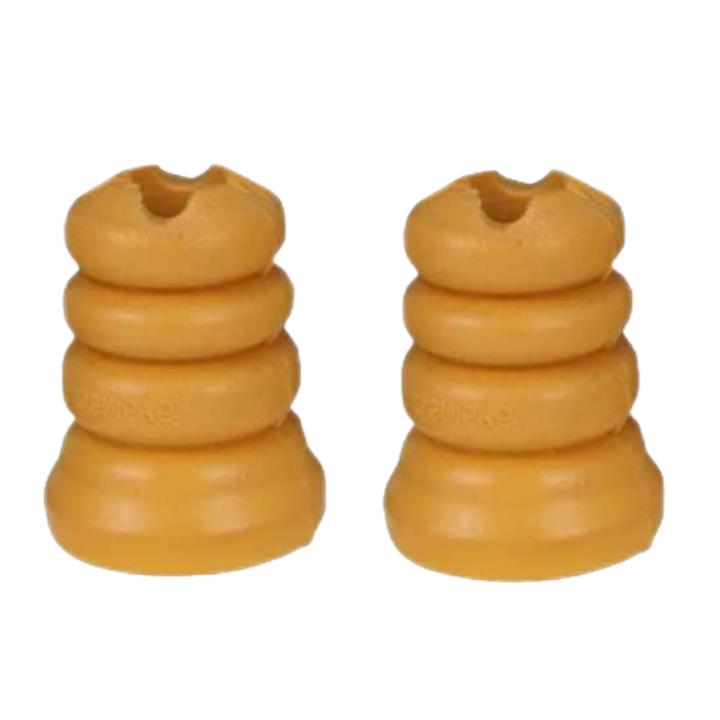
Searching for 4G0512131D usually means a rear air strut on a C7 generation Audi has reached the end of its bump stop. On this platform the rear jounce bumper is not a universal part. Audi splits it by suspension type, and the 4G0512131D rear axle buffer belongs to cars running rear air suspension with quattro drive. That single qualifier drives most ordering errors, so this page explains which vehicle takes this number, how it differs from the coil spring version, and how to quote it correctly.
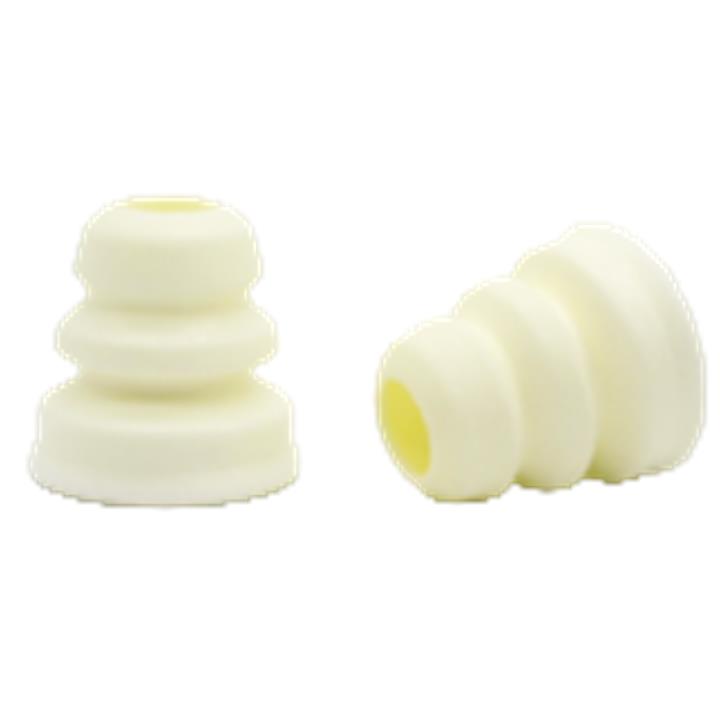
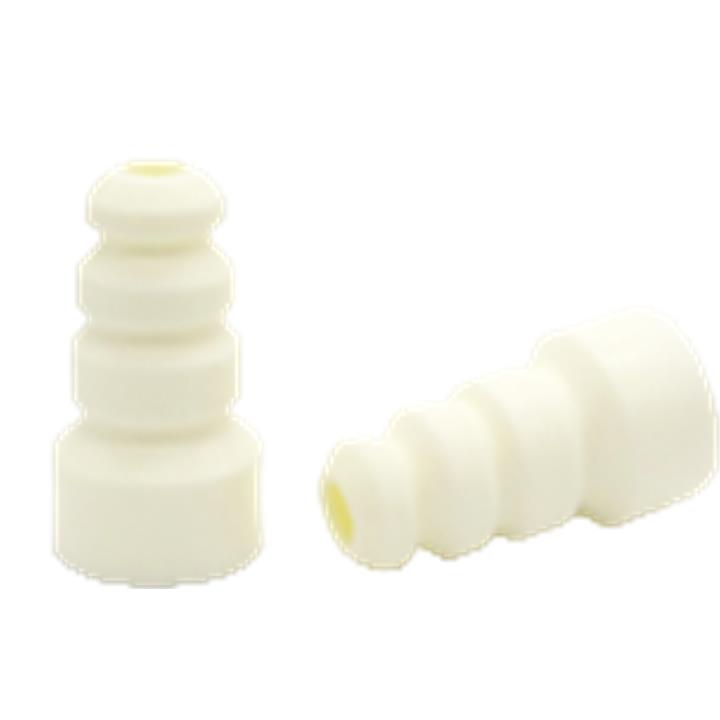
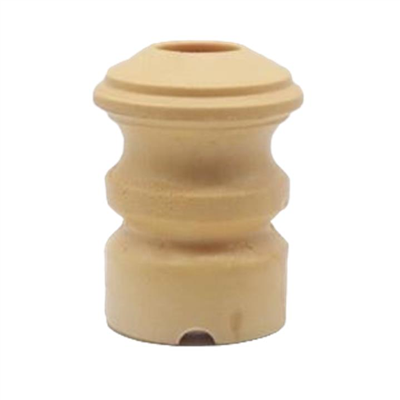
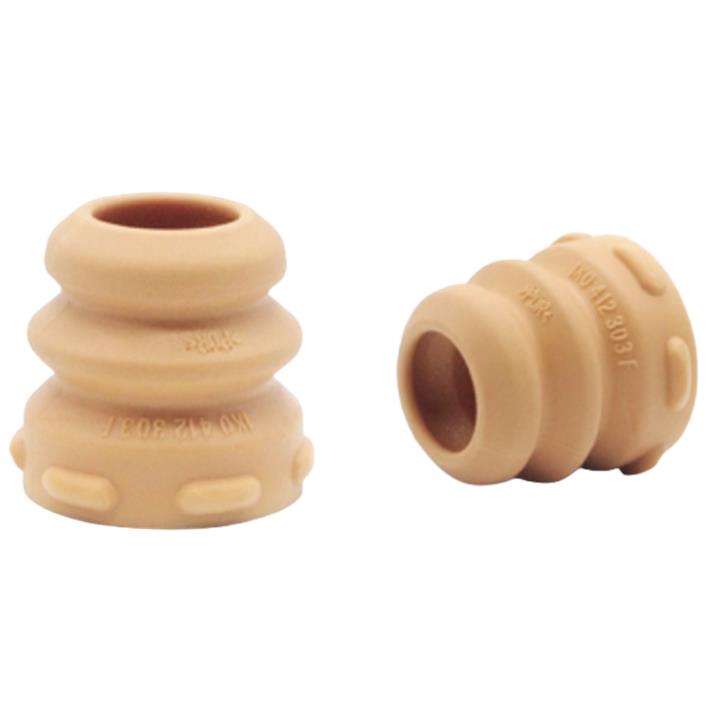
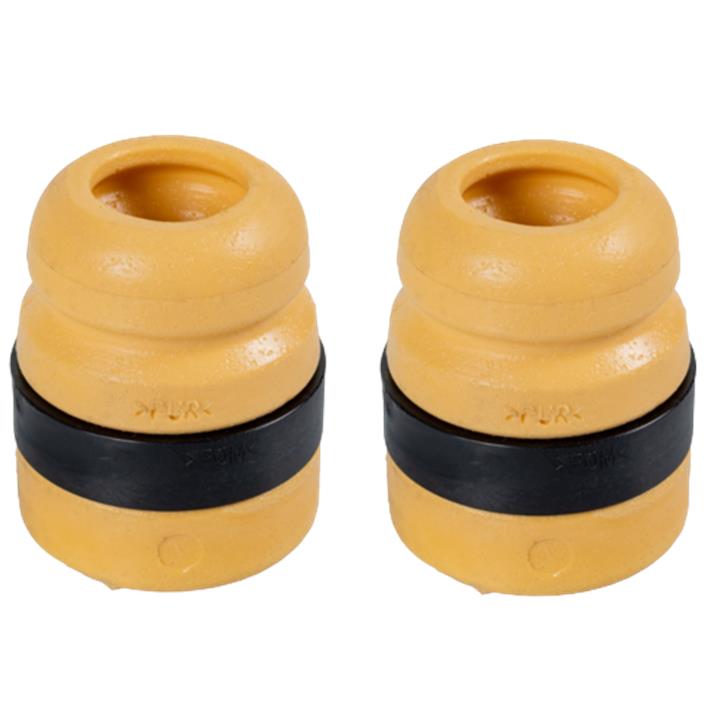
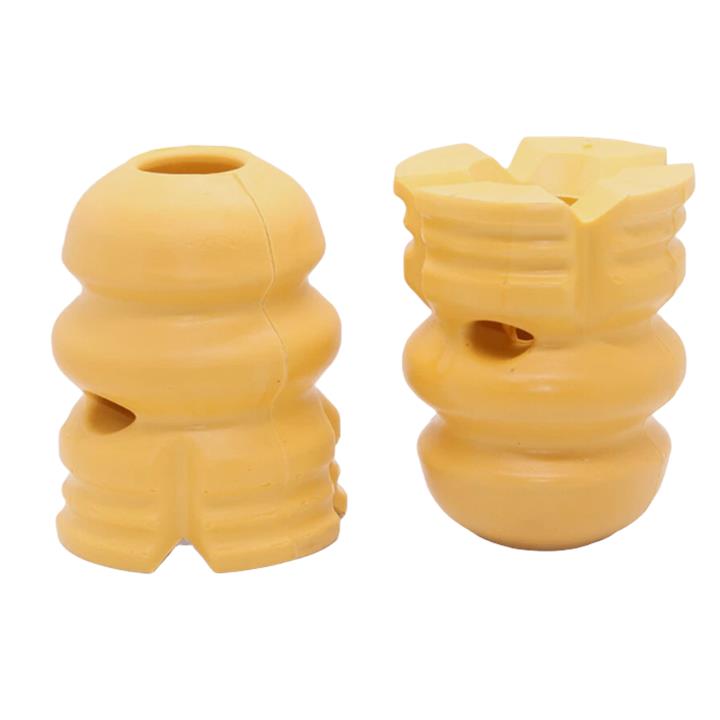
Bonpora Parts supplies this buffer from our own moulds in polyurethane (PU), working from the factory drawing rather than a generic rubber profile. Below are the drawing dimensions, the verified fitment window, the suffix census of the 4G0512131 group, interchange references and the questions buyers ask before a trial order.
The number decodes the way most Volkswagen Group service numbers do. The 4G0 prefix marks the C7 platform family, 512 is the rear axle spring and damper group, 131 identifies the buffer within that group and the trailing D is a revision letter. Reading it as an assembly number rather than a bush number is the first mistake to avoid, because the same position carries several revisions that are not freely interchangeable. Audi files it as a jounce bumper, also under buffer, stopper and stop. It fits left and right rear at quantity 1 per side, so a full rear axle service takes two pieces.
| Parameter | Value |
|---|---|
| Product name | Strut Bump Stop (rear axle jounce bumper) |
| OE reference | 4G0512131D |
| Bonpora item no. | 4110177 |
| Drawing size | 21 mm bore x 60 mm body diameter x 113 mm overall length |
| Material | Polyurethane (PU) |
| Country of origin | China |
| Warranty | 1 year |
| Lead time | 15 to 30 days |
| Packaging | Neutral export packaging |
| Custom service | OEM and custom design support |
Independent catalogue data sits close to our drawing. The FEBI Bilstein reference publishes a length of 115 mm and an inner diameter of 20 mm in PU, at about 101 g. Our drawing states 113 mm and a 21 mm bore. That spread comes from measuring the free body against the moulded collar, which is normal on stepped profiles. We quote the drawing figures, and for high volume projects the workshop should compare a physical sample against the original before the first shipment.
This is the point that decides whether the order goes out correct. The C7 rear suspension was built in three broad configurations, and each one uses a different auxiliary stop:
| Suspension on the car | Rear buffer number | Notes |
|---|---|---|
| Rear air suspension, quattro | 4G0512131D | The part on this page. A7, S7, S6, RS7 and quattro A6 with air springs. |
| Coil spring, standard or sport | 4G0512131G | Also listed as replacing 4G0512131F. Used without air suspension, without RS7. |
| Coil spring on the 8K carrier | 8K0512131H, 8K0512131K | Shared with A4, A5 and Q5 rear axles. Different carrier and different length. |
The 4G0512131G number is the one most often ordered by mistake. It carries the same 4G0 prefix and the same 512 group, but it sits on a coil spring rear end and is listed for vehicles without air suspension and without RS7. Fitting it to an air strut car, or the reverse, leaves the wrong working length and bore for the rod it slides on.
Three checks resolve the question. Look for the air spring bellows and the height sensor linkage at each rear corner; a coil car has neither. Read the build sticker for the air suspension option. Then compare the letter on the old bumper against the numbers above. If the car carries RS7 equipment, the air version is again the correct family. Send us the vehicle identification number if you want the catalogue run for you.
The verified window is the C7 generation Audi A6 and A7 family with quattro drive and rear air suspension, model years 2012 through 2018. Engines on record run from the 2.0 litre four cylinder through the 3.0 litre V6 petrol and diesel to the 4.0 litre V8 in the S and RS models.
| Model | Body | Years | Position |
|---|---|---|---|
| Audi A6 | Saloon, 4G2 / C7 | 2012 to 2018 | Rear, left and right |
| Audi A6 Quattro | Saloon, 4G2 / C7 | 2012 to 2018 | Rear, left and right |
| Audi A6 Avant | Estate, 4G5 / C7 | 2012 to 2018 | Rear, left and right |
| Audi A6 Allroad | Estate, C7 | 2012 to 2018 | Rear, left and right |
| Audi A7 Sportback | 4GA / 4GF, C7 | 2012 to 2018 | Rear, left and right |
| Audi S6 | Saloon, C7 | 2013 to 2018 | Rear, left and right |
| Audi S7 | Sportback, C7 | 2013 to 2018 | Rear, left and right |
| Audi RS7 | Sportback, C7 | 2014 to 2018 | Rear, left and right |
Audi built the C7 A6L in China at Changchun through the FAW-Volkswagen joint venture, and chassis data for that long wheelbase car also lists the C7 rear axle. Several aftermarket catalogues link this OE number to Audi (FAW) and VW (SVW) entries as well, which is useful when a request arrives with a Chinese market part label. Treat those cross listings as a lead for verification rather than a fitment promise, because a long wheelbase A6L with a steel rear spring still takes the coil version.
Volkswagen Group revision letters are not decorative. Within this single rear axle group the letters separate suspension types, and the group is small enough that mixing them up is a routine event.
Two rules follow from that list. The 4G and 8K prefixes are not variants of one another; they are two different carriers with two different lengths, so a crossover will not seat correctly. And within the 4G group the letter is the only thing separating an air spring car from a steel spring car. When a customer has only a photograph of the old part, ask for the number moulded on it rather than a side view, because the profiles look similar at a glance.
The interchange list for this number is well populated across European brands, which helps when a customer is already holding a competing box. The table below collects the references published against OE 4G0 512 131 D. Use these as search leads only; no affiliation with these manufacturers is implied.
| Brand | Reference |
|---|---|
| FEBI Bilstein | 37138, 188472 |
| SWAG | 30 93 7138, 33 11 0733 |
| ORIGINAL IMPERIUM | 37694, 48540, 51058 |
| OPTIMAL | F8-7843 |
| SKF | VKDP 43139 T |
| TOPRAN | 115 926 |
| VAICO | V10-3356 |
| SASIC | 2650342 |
| BIRTH | 52482 |
| MAXGEAR | 72-6999 |
| AKRON-MALO | 17906 |
| DENCKERMANN | D130349 |
| Magnum Technology | A9A019MT |
| TALOSA | 63-16689 |
| VEMA | 380317 |
| RIDEX | 919D0479 |
One caution about the wider list: several numbers that appear alongside this OE reference are grouped in catalogues under shock absorber or dust cover kit rather than under buffer stop. A kit that bundles the bellows with the stop is a different line item and cannot be compared to a single buffer on price per piece.
A jounce bumper is a progressive auxiliary spring. It stays quiet through normal travel and takes load only in the last part of the compression stroke, which is why a worn one is easy to miss until something else starts making noise. On an air suspension car the buffer works against a variable spring rate, so a collapsed or split bumper transfers impact straight into the air strut and the mounts, which is the expensive part of the assembly. That is why we recommend replacing the buffer whenever a rear air strut is rebuilt.
Signs that the buffer is past its service life include a dull thud over speed bumps, a harsher feel than before on broken surfaces, and visible splitting or oil contamination on the moulded body. Because both rear corners see the same duty cycle, replace in pairs rather than one side only.
| Property | Polyurethane (PU) | Conventional rubber |
|---|---|---|
| Load capacity at the same volume | Higher | Lower |
| Resistance to tearing and abrasion | Good | Moderate |
| Oil and ozone resistance | Good | Limited |
| Compression set over many cycles | Low | Higher |
| Hardness adjustment for different loads | Wide range available | Narrow range |
Our buffers are moulded in MDI and NDI based polyurethane, with hardness set to the drawing for the application rather than to a shop default. That matters here because a heavy quattro estate and a standard saloon do not load the rear stop in the same way, and a compound that is too hard transfers the impact instead of absorbing it.
The most direct route is the service number itself. Quoting strut bump stop and shock absorber components together with 4G0512131D returns the right family immediately and avoids the ambiguity of searching by vehicle name alone. Include the revision letter in every enquiry, because the coil spring G revision will otherwise come back in the results.
A catalogue that has lost the number can be matched on dimensions. Ask for the bore, the body diameter and the overall length, and compare against 21 mm, 60 mm and 113 mm. A supplier quoting a part on the 8K carrier will normally return a shorter free length, which catches the error before shipment.
Vehicle first searches are common among workshops. Pairing the model with the suspension type works well: Audi A7 rear air suspension bump stop, or S6 C7 rear jounce bumper with air springs. Adding the body code, 4G2 for the saloon or 4GA for the Sportback, narrows the results and cuts out the A4 and Q5 listings that share the rear axle layout.
For importers building their own line the request is usually a factory source rather than a single number. We quote this buffer as an OEM polyurethane bump stop with neutral export packaging and one year warranty, and we can hold a dual specification across the air and coil versions so a distributor covers both halves of the C7 range from one supplier. Private label marking, custom hardness and custom profiles fall under our custom parts service.
Standard lead time is 15 to 30 days from confirmed order, and mixed containers combining several OE references from the same platform are routine. State the OE number, the quantity and the suspension type for each line, and where a programme will run for several seasons, confirm the sample before the first bulk shipment so the drawing revision is locked in.
No. Both sit on the C7 rear axle but they serve different suspension types. The D revision is for cars with rear air suspension and quattro drive. The G revision is for cars without air suspension and without RS7, and it supersedes the earlier F revision. The two parts have different working lengths and should never be used interchangeably.
The genuine parts diagram lists a required quantity of one per side, so a complete rear axle refresh takes two buffers. Replacing one side only is possible, but because both rear corners wear at a similar rate, most workshops replace them as a pair.
The fitment recorded for this number is the C7 A6 and A7 family with air suspension. Some catalogues also link it to Audi (FAW) and VW (SVW) entries, and those listings are worth checking case by case. The Q5 on the 8R platform uses buffers on the 8K carrier, which is a different part, so a Q5 request should be quoted separately against the vehicle identification number.
Yes. We mould this profile in house and can set the polyurethane hardness to an agreed target, mark the parts with your own reference and pack to your carton specification. Send the drawing or a sample plus your annual volume and we will confirm tooling, price and schedule.
Send us the OE number, your quantity, the model year and the suspension type, and we will confirm price, lead time and packaging. If you are unsure which rear axle buffer your application takes, include the vehicle identification number and we will verify the correct revision before quoting. For distributors covering the whole C7 range, ask about combined pricing across the air and coil versions.