sales@bonporaparts.com
0086-10-64988621
English
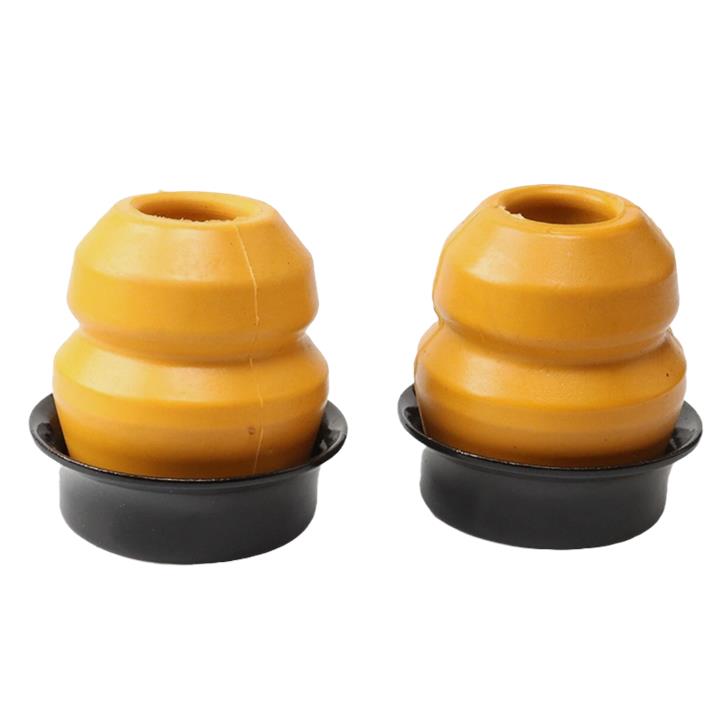
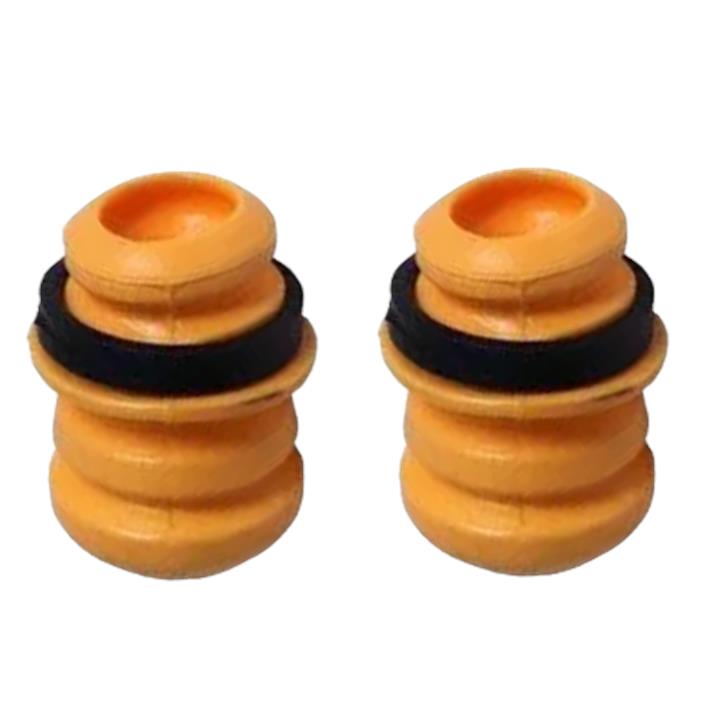
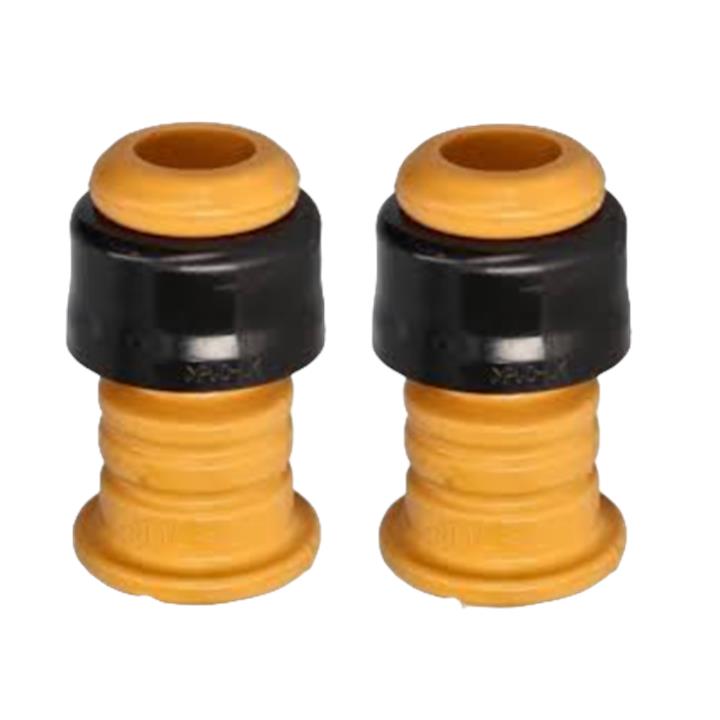
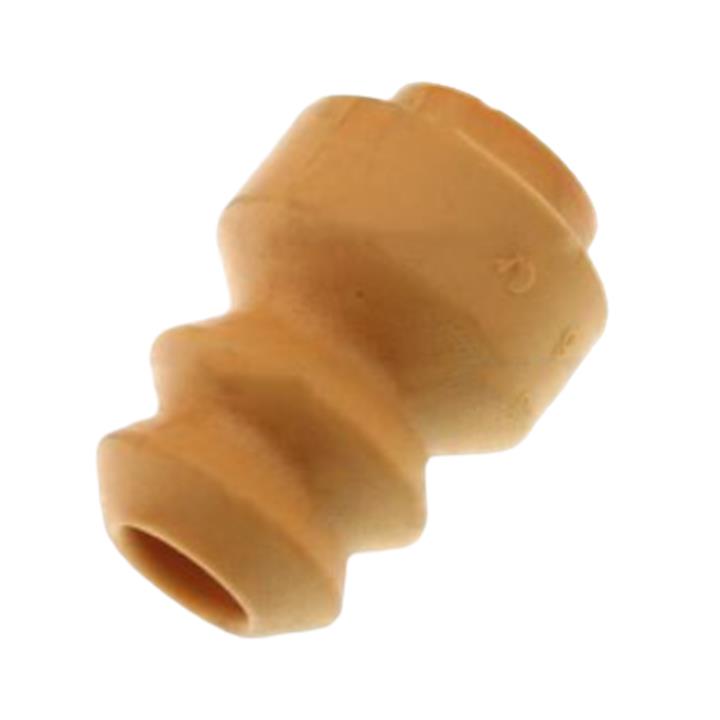
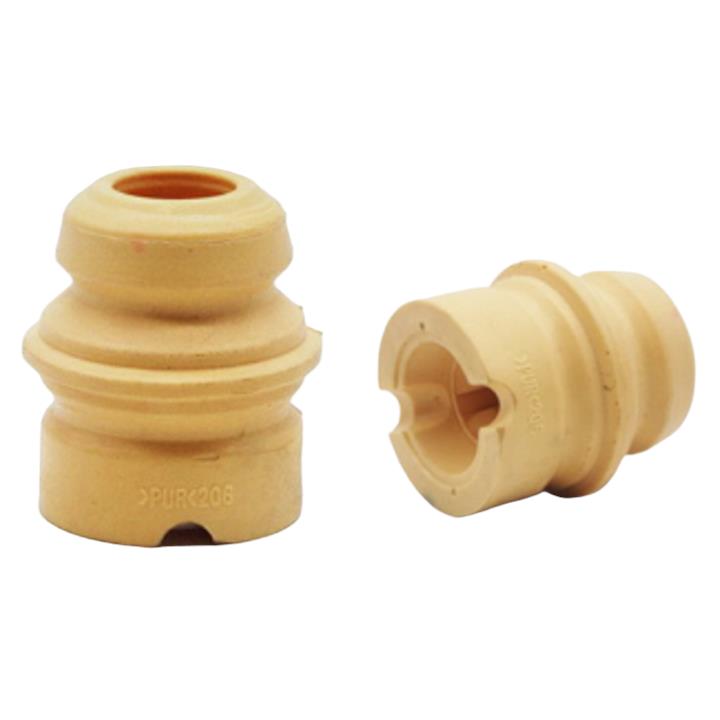
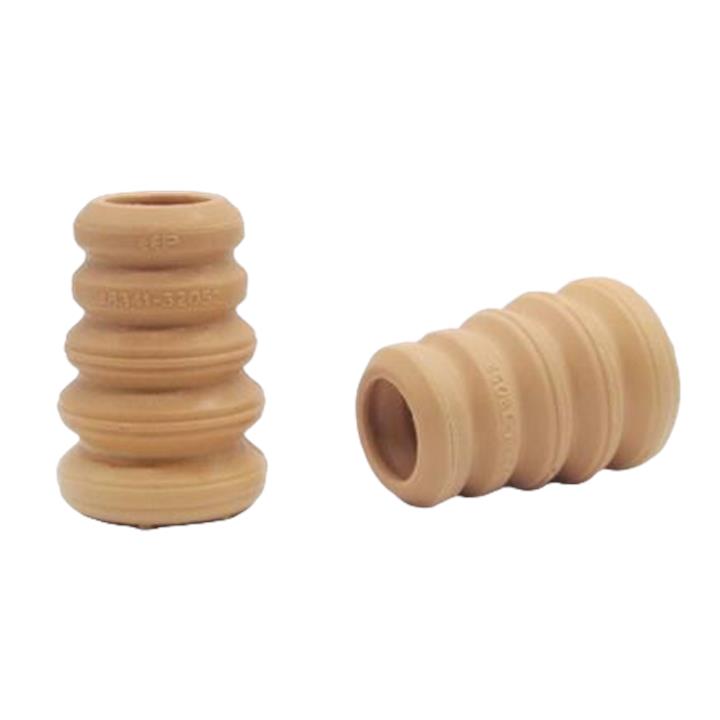
A strut bump stop only works for the last few millimetres of suspension travel, yet it decides how the vehicle behaves at that moment and whether the damper and its mount survive it. This page covers the strut bump stop supplied against OE number 54052-1VA02 — a microcellular polyurethane jounce bumper measuring Φ24.3 x Φ54.84 x 98 mm and listed under Bonpora No. 4110096. It is written for importers, distributors, workshop chains and purchasing teams who need both the original part and a dependable replacement from a source they can audit, and who want to confirm the specification before a purchase order is released.
| Item | Detail |
|---|---|
| Product name | Strut bump stop (suspension jounce bumper / buffer) |
| Bonpora No. | 4110096 |
| OE reference | 54052-1VA02 |
| Size | Φ24.3 x Φ54.84 x 98 mm |
| Material | Polyurethane (microcellular PU) |
| Fitment | Chinese domestic market applications; confirm by OE number |
| Country of origin | China |
| Warranty | 1 year |
| Delivery time | 15-30 days |
| Packaging | Neutral export packaging |
| Custom service | OEM and custom design support |
Dimensions are nominal figures for the standard moulding. Where the part number is being used to replace a worn original, measure the used component at the three points above and compare the profile before ordering, because two bump stops with the same mounting stud can differ in height and still fit. If the marking has been lost, the OE reference is the safest identifier to quote.
A jounce bumper is not a spring. It stays out of contact during normal travel and engages only when the suspension compresses far enough that the damper alone would reach the end of its stroke. From that point the microcellular structure compresses and stiffens progressively, so the load rises smoothly instead of being transferred as a hard impact. That progression is what keeps a pothole or a loaded corner from travelling through the body structure.
Without a bumper in good condition, the damper rod can bottom out, the piston can strike internal stops, and the upper mount takes loads it was not designed to repeat. A perished or missing bumper is therefore not a cosmetic problem: it usually shows up later as a leaking damper, a torn mount or a noise complaint that is difficult to trace. Replacing the bumper at the same time as the shock absorber parts around it is the practical approach.
Too soft and the bumper does not control the final stroke; too firm and it behaves like a solid stop, which transfers the shock into the mount and the body. Because the original part was selected for a specific vehicle mass and suspension geometry, matching the original height, bore and material hardness is more important than matching the appearance.
Microcellular polyurethane gives a fine, closed cell structure with a skin, which produces a repeatable load-deflection curve at a relatively low weight. Hardness and density can be set within a defined window, so a range of vehicles can be covered with mouldings that differ in height and stiffness while sharing the same material family.
Suspension components live near grease, road salt, water and the heat of the damper body. Polyurethane holds its shape better than conventional rubber in this environment and resists the cracking that ozone and oil exposure cause over time. That is the main reason the material has replaced rubber on many modern bump stop applications.
A moulded PU bumper is light compared with a rubber equivalent of the same load capacity, and it does not swell significantly in service. For distributors, the practical benefit is a part that keeps its fitted dimensions over a long shelf life and travels without the deformation that can affect softer materials in storage.
The bumper is produced to the geometry of OE 54052-1VA02 so that it seats on the original mounting point and locates the dust boot as intended. Buyers who need to cross-reference a catalogue number, an internal SKU or a competitor reference can quote the OE number together with the size and the enquiry will be matched against the same mould.
Because the same tooling serves both, a customer can order the part for a dealer or OE-service channel and for a general aftermarket channel without running two suppliers. Mixed programmes are quoted with a common packing specification so that the two channels do not have to be planned separately.
Neutral export packaging is standard, and branded cartons or labels can be produced against an approved artwork file. This lets a distributor hold one part number under its own brand while another customer receives the identical moulding in plain packaging.
The wider offering covers jounce bumpers across a number of sizes and heights, listed under polyurethane bump stops, and the associated suspension hardware is grouped under chassis and suspension.
Enquiries such as "strut bump stop 24.3 x 54.84 x 98" or "polyurethane jounce bumper 98 mm height" come from buyers who already hold a drawing or a measurement and want the moulding to match it. Sending the three dimensions with the OE number shortens the matching step considerably.
Phrases like "strut bump stop manufacturer China" or "polyurethane bump stop factory" are capability comparisons rather than single-part requests. The questions that decide these enquiries are usually whether the supplier controls its own moulding and tooling, whether a sample can be sent before a production order, and whether the same channel can handle a standard part and a development project.
Quoting "54052-1VA02 bump stop" or "54052-1VA02 jounce bumper" is the most direct route, because the OE reference identifies the geometry regardless of how the part is catalogued elsewhere. It also allows the enquiry to be answered with a cross-reference list rather than a photograph.
Buyers working from the vehicle rather than the number often search by model and then look for the bumper. In those cases the OE reference and the year range should both be quoted, since a bumper may be common to several variants while the damper around it is not.
Development enquiries arrive as a drawing, a 3D file, a used sample or a photograph with dimensions. A used sample is the most reliable input because it captures the compression behaviour as well as the outer geometry. The scope of what can be adapted — height, bore, density, hardness and marking — is described under custom parts.
For a distributor running several suspension lines, ordering the bumper together with related components shortens the receiving process and reduces the number of shipment records to keep. The catalogue entry for this part and the surrounding range is in the product catalogue.
It is an OE-equivalent replacement produced to the same geometry as OE 54052-1VA02. The moulding is made in our own factory in China rather than sourced from another supplier, so the same tool is used for orders placed under an original programme and for aftermarket orders. Buyers who need to demonstrate equivalence to a customer can request the dimensional report and material data for the batch.
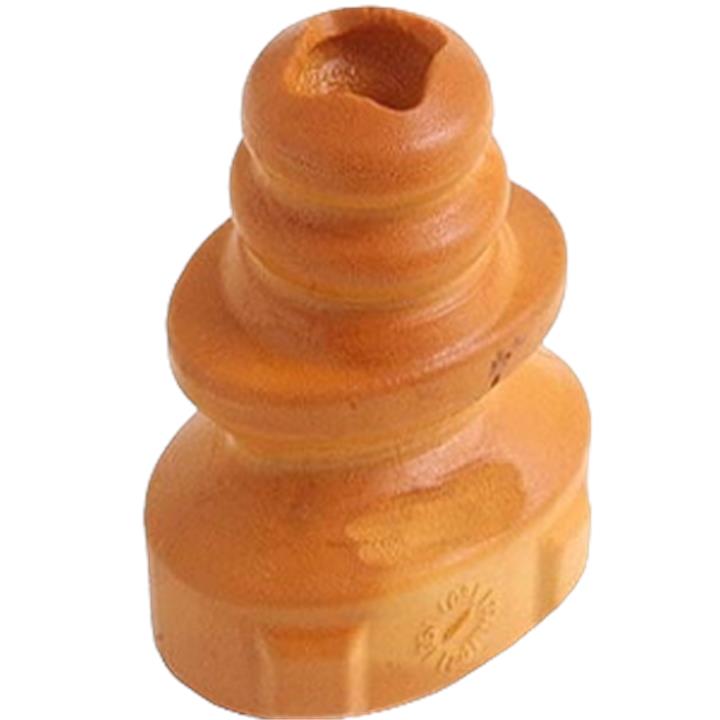
Start with the OE number, then check the three dimensions against the vehicle application. If the number is not readable on the old part, measure the height, the top bore and the base diameter and compare them with the figures on this page. Sending a photograph of the used bumper alongside the measurements is usually enough for the application to be confirmed.
The standard moulding follows the original specification. Where a different load-deflection behaviour is required — for example for a heavier vehicle variant or a commercial application — the compound can be adjusted within a workable range, and a sample can be produced for validation before the production order is placed.
Small trial quantities can be quoted so the part can be validated on the vehicle first. Standard production follows a 15-30 day delivery window after the drawing or sample is confirmed, and a new mould adds a tooling and first-article stage before the run is scheduled.
If you are sourcing a strut bump stop for Chinese market applications, or you need a replacement for OE 54052-1VA02 with the same fitted dimensions, send the part number, the quantity you expect per year and the packaging or branding you require. A BONPORA engineer will confirm the match against Bonpora No. 4110096, advise on any customisation needed, quote the unit price at your volume and give an indicative lead time, so the part can be worked into your next buying cycle.