sales@bonporaparts.com
0086-10-64988621
English
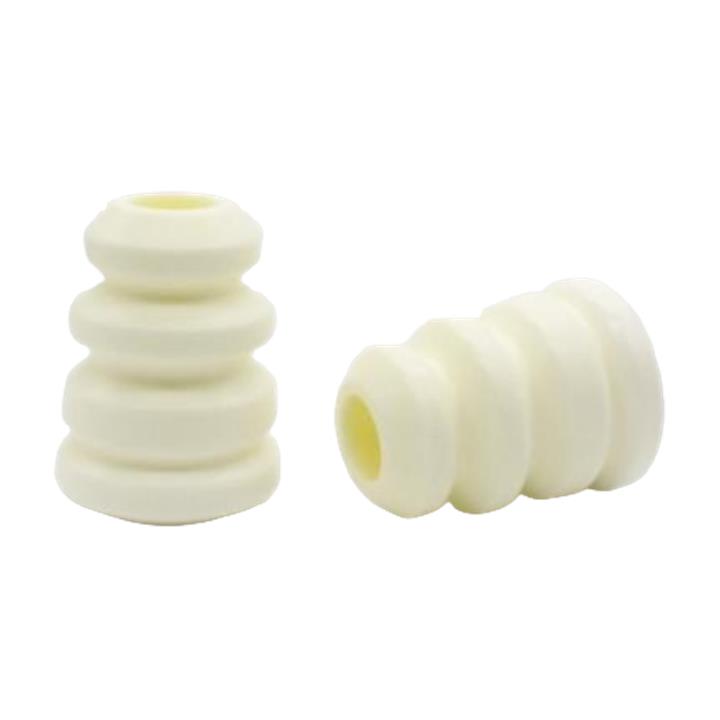
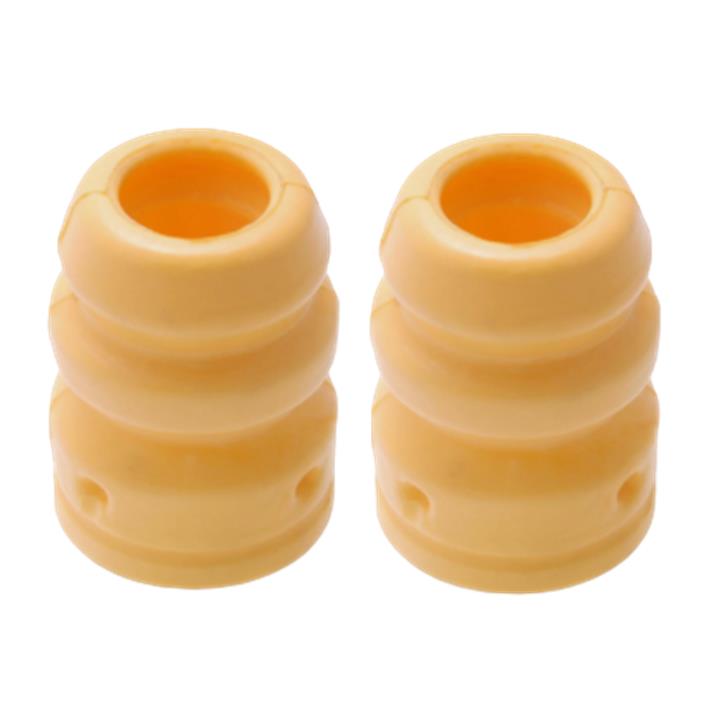
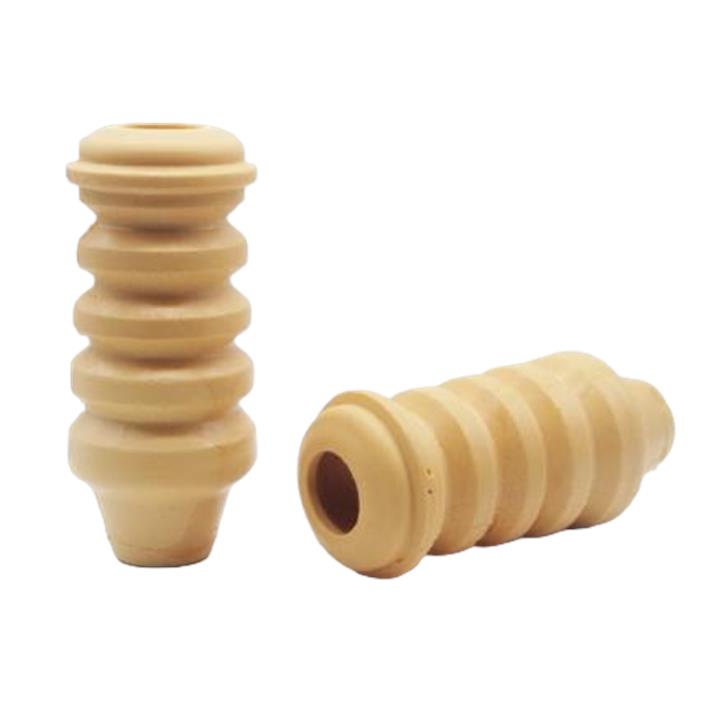
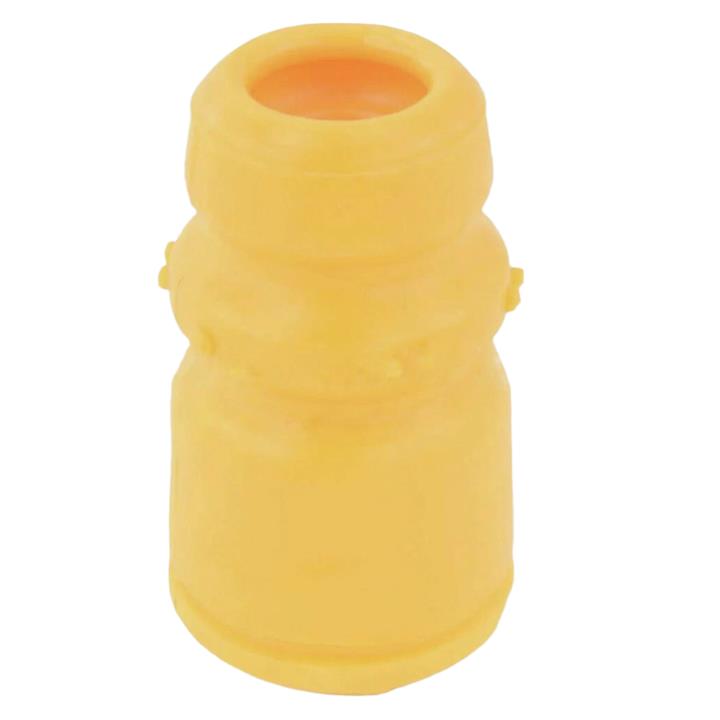
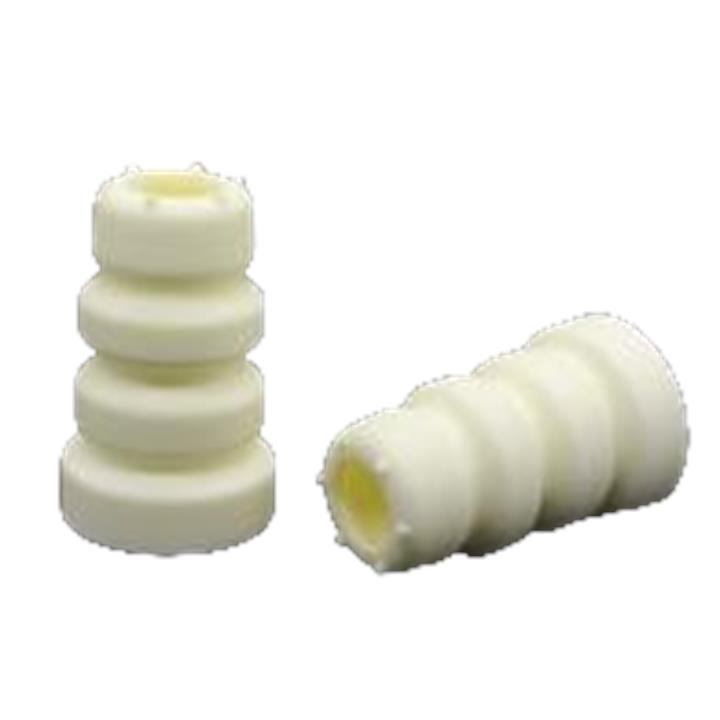
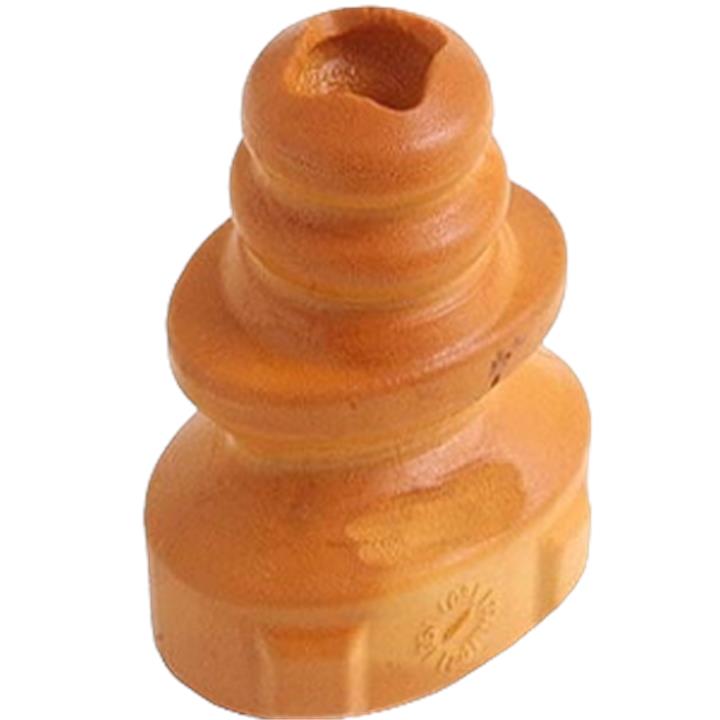
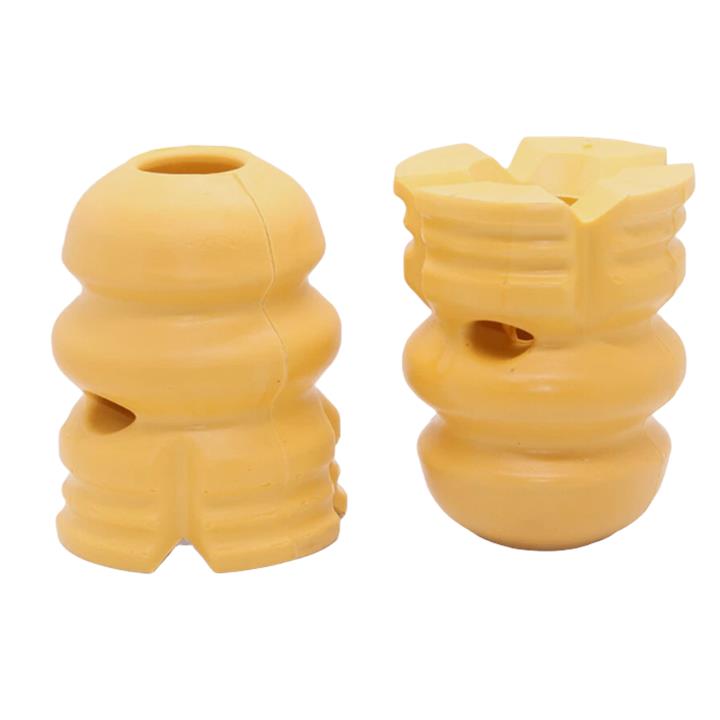
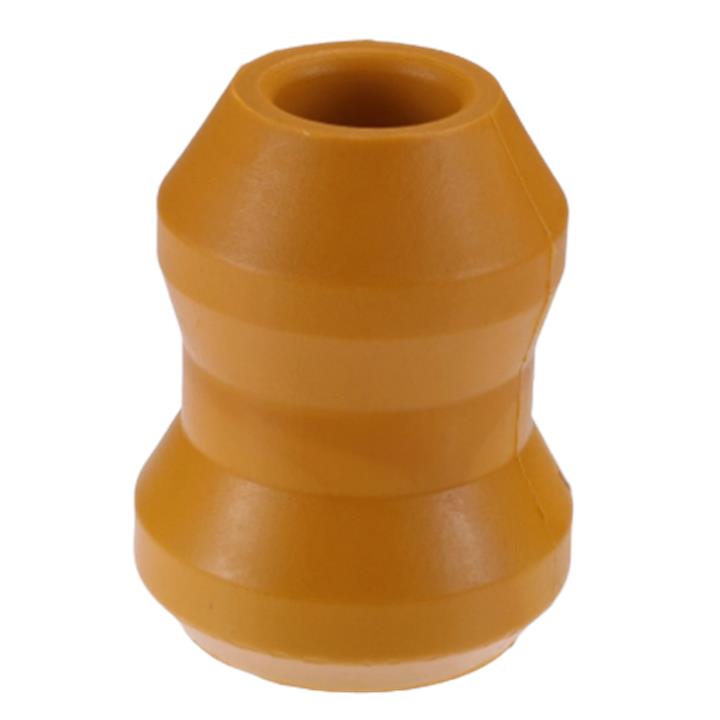
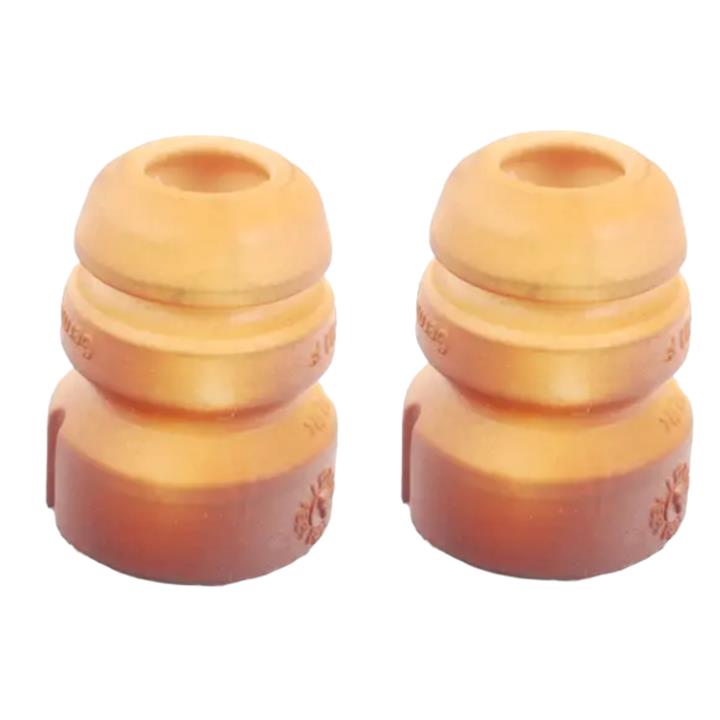
Toyota lists this part as Bumper, Rear Spring, No.1, while the Lexus catalog calls it Suspension Strut Bumper. Buyers usually search for it as a rear strut bump stop or rear jounce bumper. It sits on the rear shock absorber and spring assembly and compresses when the rear suspension reaches the end of its travel, absorbing the last part of the stroke so the strut internals and the coil spring seats do not take the impact directly. When the bumper wears out, the metal-to-metal contact inside the strut produces knocking sounds over bumps, a harsher ride, and in the long run damage to the shock absorber itself. One number covers both sides of the rear axle, so each car needs two pieces. For warehouses that quote the whole rear axle program, this bumper belongs on the same shelf as the shocks, boots and spring seats it protects.
The table below lists the complete parameters of this Bonpora replacement. Dimensions follow our product drawing; because different suppliers measure at different points, we recommend checking the old part before you place an order.
| Item | Parameter |
|---|---|
| Product Name | Strut Bump Stop (Rear Spring Bumper) |
| OE Reference | 48341-32052 |
| Bonpora No. | 4110065 |
| Fitment | Toyota Camry / Lexus ES300 and related models |
| Position | Rear axle, left and right, 2 per car |
| Size | Φ20.8 x Φ56.67 x 83.9 mm |
| Material | Polyurethane (PU) |
| Country of Origin | China |
| Warranty | 1 Year |
| Delivery Time | 15-30 Days |
| Packaging | Neutral export packaging |
| Custom Service | OEM and custom design support |
In the North American Toyota and Lexus catalogs, 48341-32052 fits the Toyota Camry 1992-1997 and the Lexus ES300 1992-1998, covering chassis families SXV10, VCV10, MCV10, SXV20 and MCV20 with the 5S-FE, 3VZ-FE and 1MZ-FE engines. Toyota dealer catalogs note the description Sedan, coupe. Japan built to 1/97, which means the official application follows the production date of the vehicle, not only the model year. Japanese and export catalogs list the same bumper under more model names: Toyota Windom (the JDM version of the ES300), Scepter (the export name of the XV10 Camry), Camry Gracia, Corona, Carina E, Caldina and Camry Vista. When a customer quotes by model name instead of OE number, these twins are worth checking first.
| Model | Years | Chassis / Engine |
|---|---|---|
| Toyota Camry | 1992-1997 | SXV10, SXV20 (5S-FE); VCV10 (3VZ-FE); MCV10 (1MZ-FE) |
| Lexus ES300 | 1992-1998 | VCV10, MCV10, MCV20 (3VZ-FE / 1MZ-FE) |
| Toyota Windom (JDM ES300) | 1991-2001 | VCV10, MCV20, MCV21 |
| Toyota Scepter (export Camry) | 1992-1996 | SXV10, VCV10 |
| Camry Gracia | 1996-2001 | SXV20, MCV21 (5S-FE / 2MZ-FE) |
| Corona / Carina E / Caldina | 1992-2002 | AT190, AT191, ST191, CT190 series |
Some aftermarket catalogs also cross this bumper to newer Camry and Aurion platforms built on the same chassis family. Treat those listings as search leads only and confirm each order against the VIN or an original catalog, because the official Toyota application for 48341-32052 ends with the 1997/1998 model years shown above.
This rear bumper has been revised twice, so dealers currently ship one physical part under four reference numbers. The chain runs 48341-32050 to 48341-32051 to 48341-32052, and Japanese-market catalogs add 48341-32080 as an alternate writing of the same bumper. Quotes built on any of the four numbers therefore point to the same item. Do not confuse them with 48341-32053 and 48341-32054: those are the next-generation rear spring bumpers for the 1997-2003 ES300, the ES330 and the 2007-2012 ES350, with a different profile. Mixing the two groups is the most frequent ordering mistake on this family, because 1997 and 1998 model years appear in both catalogs.
| Number | Status | Main application |
|---|---|---|
| 48341-32050 | Superseded | Earliest version, 1992-1993 ES300 |
| 48341-32051 | Superseded | 1992-1993 ES300, replaced by 32052 |
| 48341-32052 | Current | Camry 1992-1997, ES300 1992-1998, Japan built to 1/97 |
| 48341-32080 | Alternate writing | Same bumper, JDM / regional catalogs |
| 48341-32053 | Next generation | ES300 1997-2003, ES330, ES350 (GSV40), superseded by 32054 |
| 48341-32054 | Current (new gen) | ES300 1997-2003, ES330 2004-2006, ES350 2007-2012 |
Toyota bump stop numbers differ by a single digit between axles. Numbers starting with 48331 are front spring bumpers, and numbers starting with 48341 are rear spring bumpers. The middle section identifies the platform group, which is why 32052 appears on Camry and ES300 chassis while 28050 appears on Alphard and Previa minivans. For purchasing teams that source by OE number, this rule is a fast way to catch a typo before it becomes a wrong shipment: if a rear-axle inquiry arrives with a 48331 prefix, or a front-axle inquiry carries a 48341 prefix, double check the number with the customer.
The same logic works in reverse when the only information you have is a worn part with no readable number. Measure the axle position, the bore and the free length, match them against the drawing in this article, and the platform group narrows down quickly. Many distributors keep a photograph library of bump stops by axle position for exactly this purpose, and we are glad to identify parts from such photos when the OE marking has worn away.
Three checks keep orders on this family clean. First, confirm the vehicle by VIN or frame code, because 1997 and 1998 model years overlap between the 32052 and the 32053/32054 groups. Second, measure the old bumper on three points: bore, outside diameter and free length, then compare with the drawing values of 20.8, 56.67 and 83.9 mm. Third, read the production description on the dealer catalog page; the note Japan built to 1/97 on this application shows that build date matters for vehicles sitting between two part versions. Wholesalers who follow these steps before quoting report fewer returns on this line.
It also pays to check what the customer actually received on previous shipments. Some regions have run on aftermarket copies for years, and the copies occasionally differ in rubber hardness or in the shape of the mounting collar. Comparing a sample of the current supply with our drawing before the first bulk order is a routine we recommend for every new account on this family.
The original bumper is rubber. Our version is molded from polyurethane, an elastomer widely used in suspension bushes and bump stops for passenger cars and light commercial vehicles. The table below compares the two materials as buyers usually weigh them.
| Property | Polyurethane (this part) | Conventional rubber |
|---|---|---|
| Compression set | Lower, keeps its shape longer | Higher, flattens with age |
| Aging and ozone resistance | Stronger | Cracks sooner |
| Ride character | Firmer, more progressive | Softer, decays faster |
| Typical service life | Longer under same load | Shorter, check at shock service |
Polyurethane does not make a worn strut feel new again; it restores the bump stop function itself. For customers who prefer an OE-style rubber part, Bonpora also offers rubber molding under the same custom parts service.
Hardness and Shore value follow the drawing on file for each OE reference, so the PU version keeps the progressive cushioning the suspension was tuned for instead of turning the stroke into a hard stop. If your market has a preference between firmness levels, send the sample and our molders will match the feel and report back with a measured hardness reading before mass production.
Rear bump stops age with heat, ozone and repeated compression. Typical failure signs are a flattened or crumbling bumper, bottoming knocks over speed bumps, and dust from a cracked surface inside the boot. Because the part is hidden under the dust cover, most fleets discover the failure when the rear shocks are already leaking. The economical habit is to inspect and replace the bump stops whenever the rear shock absorbers or coil springs come out, and to change both sides at the same time so the rear axle keeps an even travel limit. Our shock absorber parts range covers the matching family so distributors can consolidate the order.
Load conditions decide how fast the part ages. A sedan used as a taxi or a driving-school car compresses its rear bumpers hundreds of times a day, while a private car may pass a decade before the material hardens. Vehicles that regularly carry heavy loads in the trunk show the same pattern earlier. When you quote a fleet, listing the bump stop alongside the shock absorbers as a scheduled item keeps the rear axle protected without a separate downtime window.
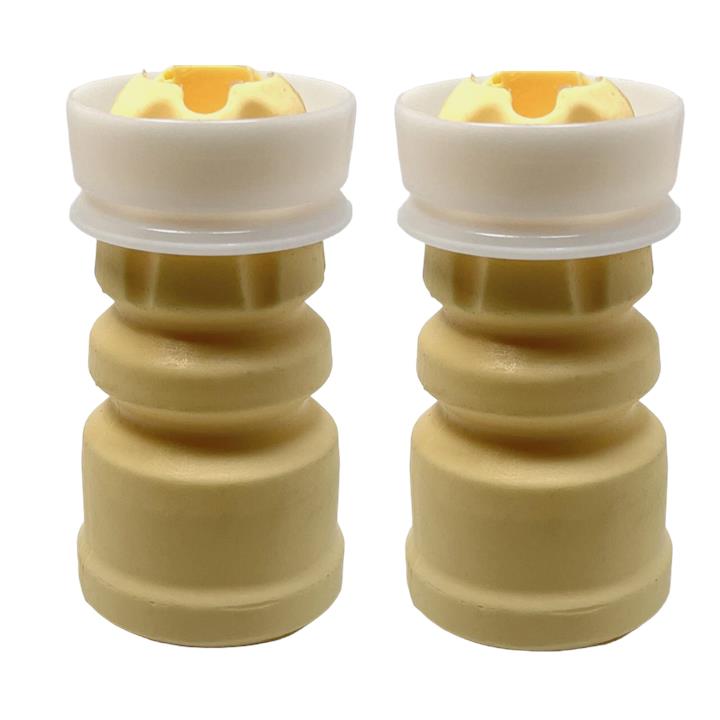
Aftermarket listings for this application often appear as a bump stop plus dust boot kit, sometimes grouping several OE references under one SKU. A kit contains the rubber bellows that protects the shock rod in addition to the bumper, so its price cannot be compared line by line with a single bumper. When a customer inquiry mentions only the OE number, confirm whether the expected delivery is the bumper alone, the boot alone, or a paired kit, and quote accordingly. This small clarification prevents the most common after-sales dispute on this product line.
Bonpora produces this bumper under item number 4110065 in a dedicated PU molding line. Standard terms: minimum order per carton, 15-30 days lead time, neutral export packaging ready for your own brand, one year warranty on material and workmanship, and OEM drawings accepted for private label programs. The same line covers front and rear bump stops for Toyota, Lexus, Honda, Mazda, Opel and BMW platforms, which lets buyers fill a full suspension program from one supplier. See our chassis and suspension catalog for the current list, or browse the polyurethane bump stops family for material details.
For first-time customers we usually suggest a trial carton before a full pallet, so the fit on your market stock can be confirmed with a real vehicle. Mixed cartons that combine this bumper with other Toyota and Lexus references are accepted, and our packing list states the OE number and the Bonpora number on every box to keep your warehouse picking simple.
Two. The rear axle uses one bumper on each side, and Toyota catalogs list the part for both the left and the right position under the same number 48341-32052. Orders are normally placed in pairs or in full-carton quantities for distribution.
No. They are earlier references of the same rear spring bumper. Toyota superseded 32050 and then 32051 to the current number 32052, and regional catalogs also show 32080 for the same item. A quotation on any of the numbers covers the same physical part.
The 2000 ES300 belongs to the next platform group, whose rear bumper is referenced by 48341-32053, later replaced by 48341-32054. Because 1997 and 1998 model years appear in both catalogs, always verify by VIN or frame code before deciding between the two generations.
Rubber matches the OE feel and remains the choice for strict OE-style repairs. Polyurethane resists compression set and aging better, which suits tropical markets and fleet use. Stocking both lets you serve the two demands from one supplier.
Standard lead time is 15-30 days depending on quantity and season, shipped in neutral export packaging. Orders with OEM packaging or custom molds follow a separate schedule after drawing confirmation, and our team confirms the exact date with the quotation.
Send your inquiry list with OE numbers or frame codes, and our sales team will revert with prices and stock for 48341-32052 and the rest of the Toyota and Lexus rear suspension program.