sales@bonporaparts.com
0086-10-64988621
English
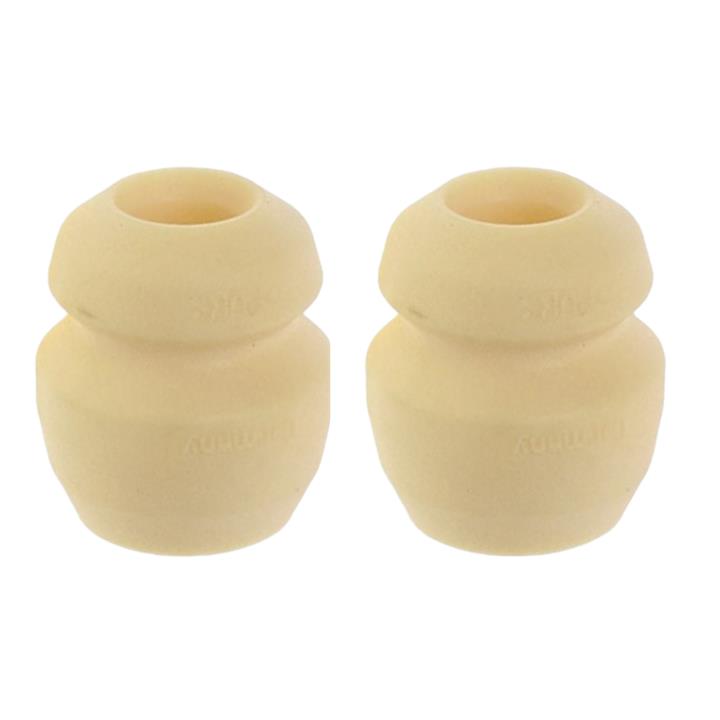
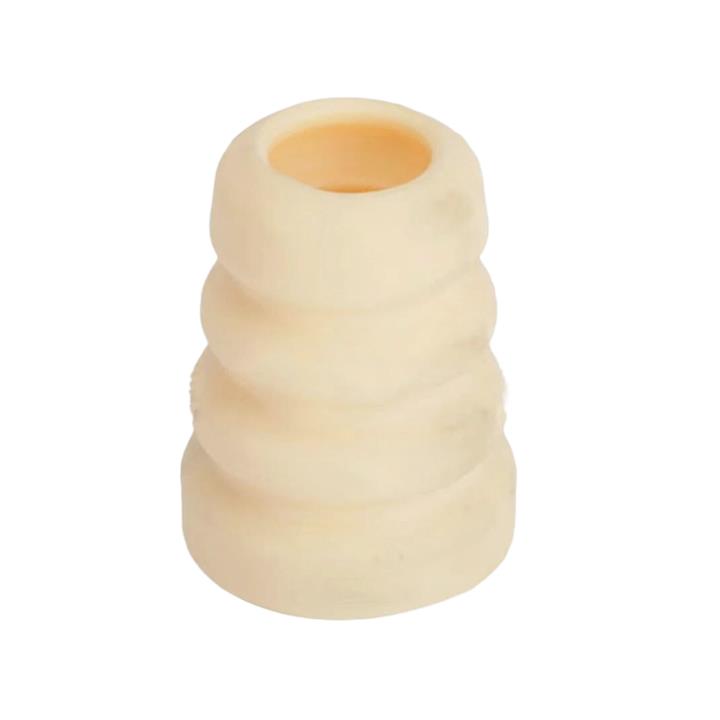
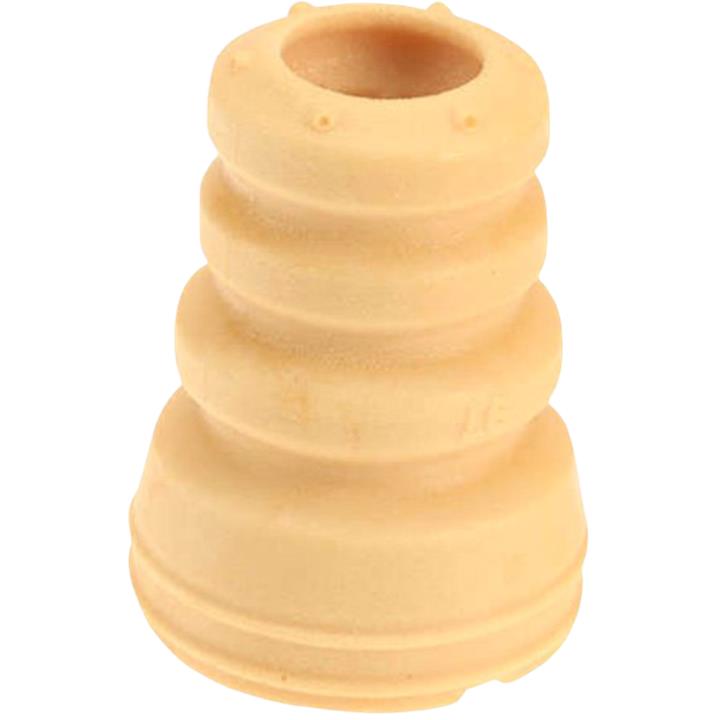
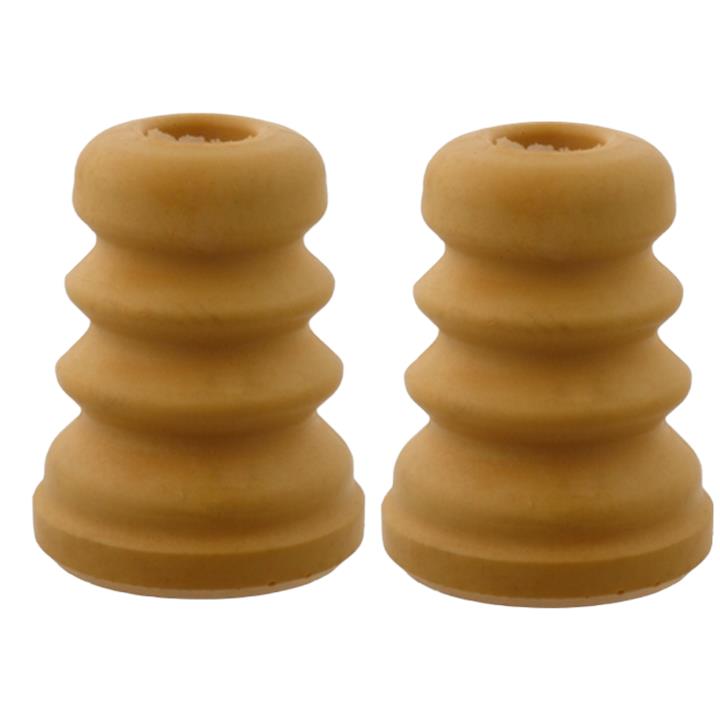
This page is written for the buyer who already has a number in hand: OE BP4K-34-111, a strut bump stop used on the MZ5 and MZ3 platforms. A bump stop is a low-cost item, but it is also a high-frequency replacement part, so the purchasing decision usually narrows to three practical questions. Is the elastomer correct for the application? Does the part keep its shape over the service interval you promise your customers? Can the supplier hold the number in stock at a price that still leaves margin in your programme? The notes below set out the specification we ship against this reference number, how the component behaves in service, and the ways overseas buyers normally search for and verify strut bump stops.
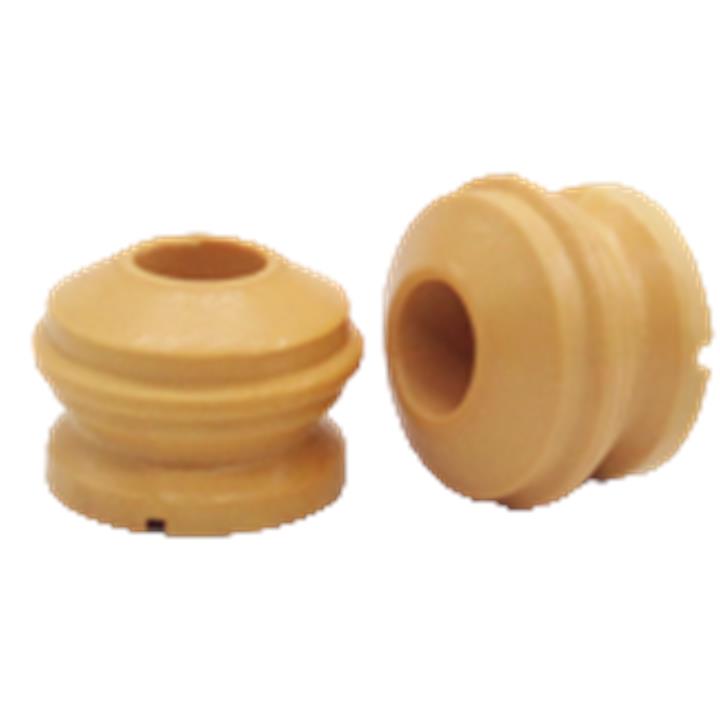
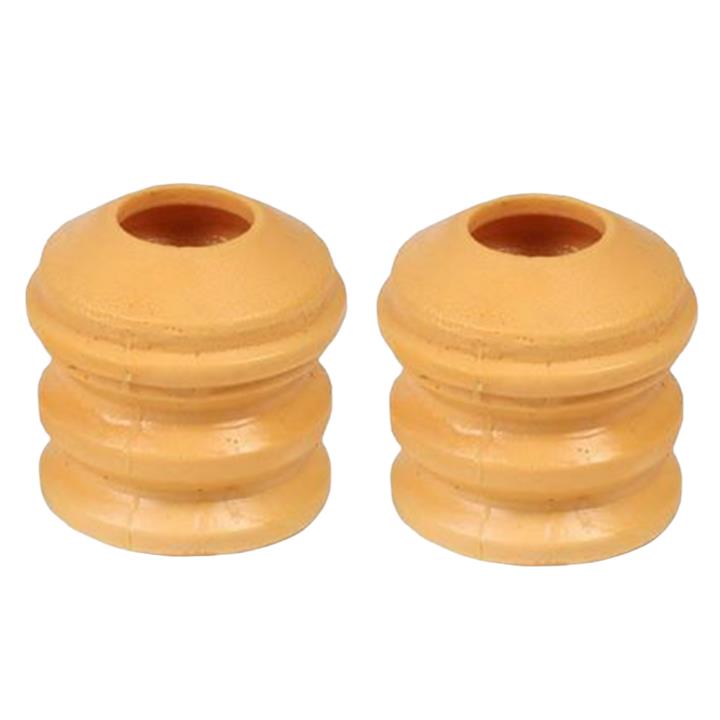
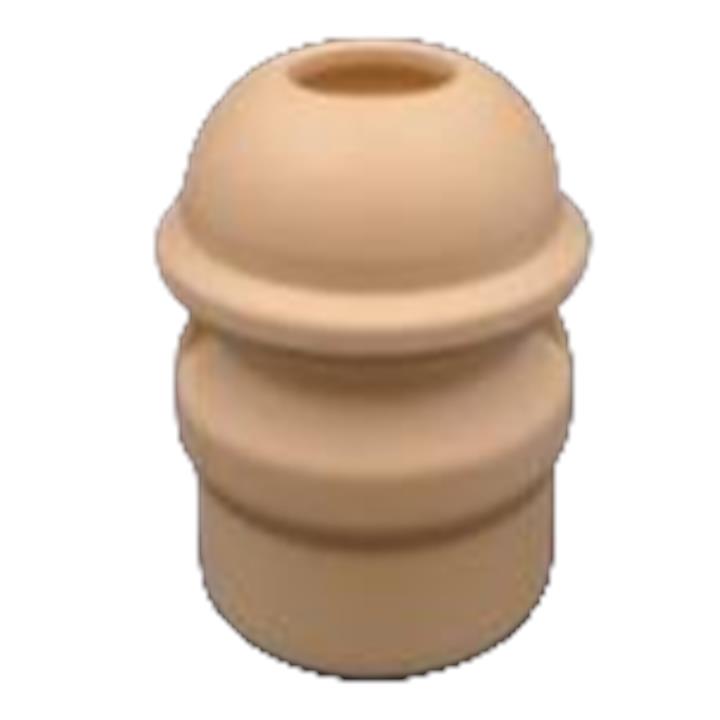
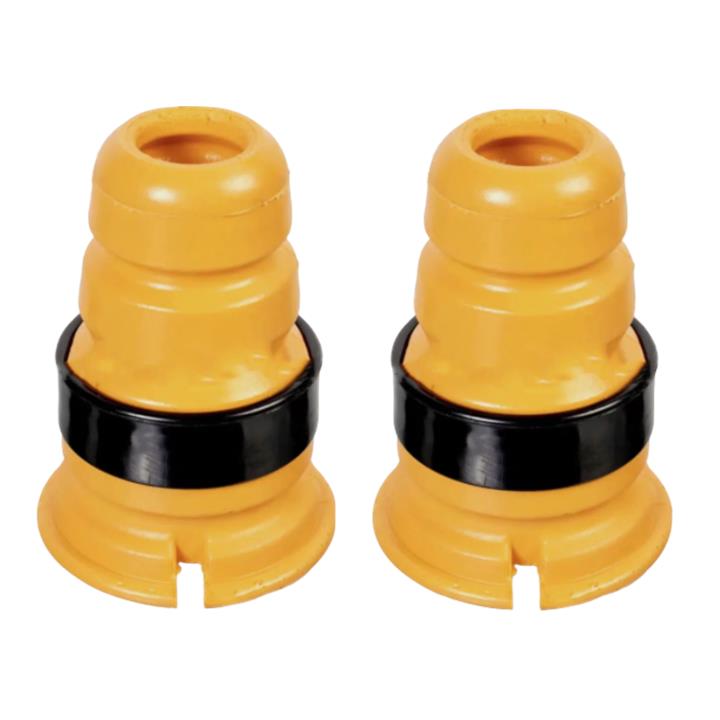
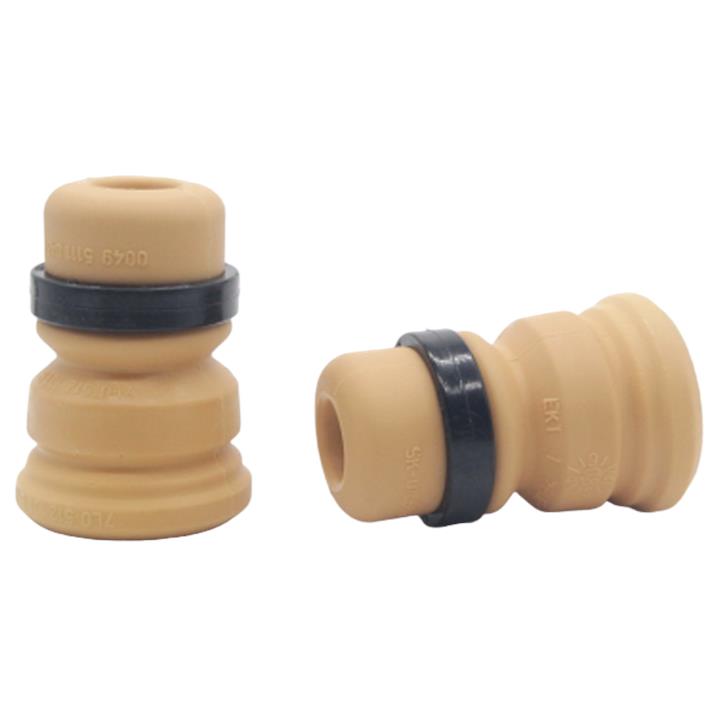
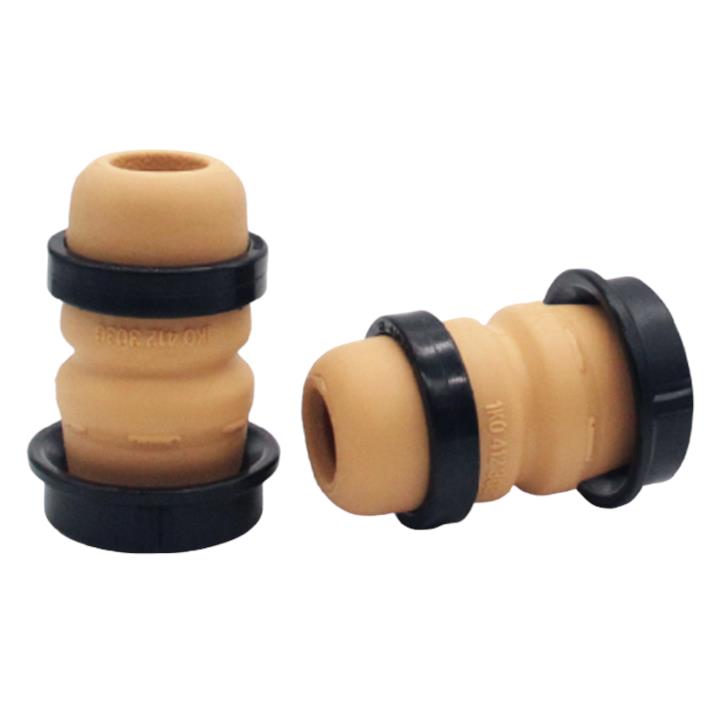
A strut bump stop is also written as a jounce bumper, compression bumper, or suspension buffer. It is the polyurethane body that rides on the piston rod of a shock absorber or MacPherson strut, usually held in place by the dust boot or by a metal seat on the rod. During a full compression event, such as a pothole, a kerb strike, or a loaded rear axle over a speed bump, the stop is squeezed before the damper reaches the end of its travel.
That single function protects several more expensive parts at once. It prevents metal-to-metal contact inside the damper, it limits the peak load that reaches the strut mount and the body structure, and it keeps the spring from being compressed beyond its designed working range.
Because a bump stop is small and inexpensive, it is often left in place during a suspension repair. The result is a new damper fitted next to a crushed or crumbled original stop, and the repair comes back. When the stop has collapsed, the damper bottoms out on every hard compression, which shortens damper life and can crack the mount. For workshops and distributors, selling the stop together with the strut is the cheaper outcome for the end user.
The table below lists the specification set we supply against reference number BP4K-34-111. Buyers comparing quotations should treat the OE number, the fitment list, and the material grade as the three items that must match before price is compared, because a cheaper offer that changes the elastomer grade or the wall thickness is not the same part.
| Product name | Strut bump stop (jounce bumper) |
|---|---|
| Reference OE number | BP4K-34-111 |
| Bonpora No. | 4110099 |
| Fitment / application | MZ5 MZ3 |
| Material | Polyurethane (PU) elastomer |
| Size | Produced to the reference OE drawing; dimensions are confirmed against drawing or sample at quotation |
| Country of origin | China |
| Warranty | 1 year |
| Delivery time | 15-30 days |
| Packaging | Neutral export packaging |
| Custom service | OEM and custom design support |
The reference number BP4K-34-111 identifies the application. The Bonpora number 4110099 is our internal item code, which you can quote when you contact us or when you request a sample. The fitment line shows the platforms the stop is listed for; if your catalogue lists the part against a different model year range for the same platform, send the full vehicle details and we will cross-check the application before you place an order.
Bump stops are commonly sold by reference number rather than by measured size, because the wall profile and the internal bore are what make the part fit the rod and the seat. If you need measured values for a catalogue entry or a technical data sheet, send us the drawing revision or a physical sample and we will return the dimensions in the format your system requires.
Polyurethane is a good fit for this application because it can be tuned. Changing the formulation shifts hardness, rebound, and compression set, so the same basic shape can be produced for a comfort-oriented passenger car or for a heavier-duty use. Compared with conventional rubber, a polyurethane stop generally resists tearing better, oils and road salt have less effect on it, and it holds its shape for longer under repeated compression.
| Property | Polyurethane stop | Conventional rubber stop |
|---|---|---|
| Repeated compression | Holds shape well across the service interval | Tends to take a set earlier |
| Oil and abrasion resistance | Good | Moderate |
| Hardness options | Wide range, tuned per application | Narrower range |
| Load capacity in a small profile | Higher | Lower |
For a broader view of the shapes and hardness grades available, see our polyurethane bump stops range, which covers replacement stops as well as parts produced to customer drawings.
Most purchasing enquiries reach a supplier through one of a few predictable routes. Knowing which route a buyer used helps you answer with the right information in the first reply.
This is the most common route, and it is the most precise one. A buyer who searches for BP4K-34-111 usually knows the application and wants a direct replacement. The reply should confirm the reference number, the fitment list, the material grade, and whether the item is in stock or produced to order.
Buyers who do not yet have a number search by description, for example polyurethane strut bump stop, foam molded bump stop, or jounce bumper with dust boot. These enquiries are broader, so the reply should explain the platform coverage and ask for the vehicle details or a sample.
Searches that start from the vehicle, such as rear strut bump stop for MZ5 or MZ3 suspension bumper, are usually placed by repair shops and small distributors. A clear fitment list and a cross-reference table keep these enquiries from turning into back-and-forth emails.
Importers frequently search for a China strut bump stop factory or manufacturer rather than for the part itself, because they are evaluating a supply channel. In that case the useful information is capacity, moulding method, quality system, packing, and lead time. If your interest is a long-term channel rather than a single order, our shock absorber parts programme covers bump stops together with related suspension components.
Buyers who already have a mould, a drawing, or a competitor sample often want the same geometry under their own brand. Custom work typically needs a drawing or sample, an agreed hardness grade, and a packing specification. Details of that process are set out under custom parts, including the information we need before a quotation can be issued.
For a part this small, quality is usually judged in two places: at goods-in inspection, and in the field after a year of service. A consistent production process keeps the batch-to-batch variation small, which is what stops a distributor from receiving a shipment that fits differently from the previous one.
Where documentation is required for your market, tell us at enquiry stage which items you need, for example a material certificate, a dimensional inspection report, or a batch code on the carton. These are prepared to order rather than bundled automatically, so listing them early avoids a delay at shipment. Bump stops are also commonly bought together with other chassis and suspension items, and a single mixed container is a normal way to reduce freight cost per unit.
The stop is listed for the MZ5 and MZ3 applications shown in the specification table above. If your catalogue lists the number against a wider model or year range, send us the complete vehicle details, including the model year and the rear or front position, and we will confirm the application before you order.
Yes. Send a drawing with the key dimensions, or a physical sample for reverse engineering, along with the required hardness and the expected service conditions. We will confirm feasibility and the tooling route, and OEM and custom design support is available as a standard service rather than a special arrangement.
Minimum quantity depends on whether the part is ex-stock or produced to order, and on the packing configuration you need. Standard delivery time is 15-30 days after order confirmation. For a first order, tell us your target quantity and destination port and we will confirm the quantity that makes the freight cost workable.
Standard packing is neutral export packaging suitable for sea freight, with inner protection against moisture and cartons sized to keep the carton weight within normal handling limits. Branded cartons, printed labels, and barcoded cartons can be arranged if your warehouse or your customer requires them.
If you are sourcing this reference number for a workshop, a distribution programme, or a private-label line, send us the quantity you need, the destination port, and any packing or documentation requirements. We will reply with the price, the confirmed application list, and the delivery schedule for the quantity you specify. You can also review the full range on our product pages before you send your enquiry.