sales@bonporaparts.com
0086-10-64988621
English
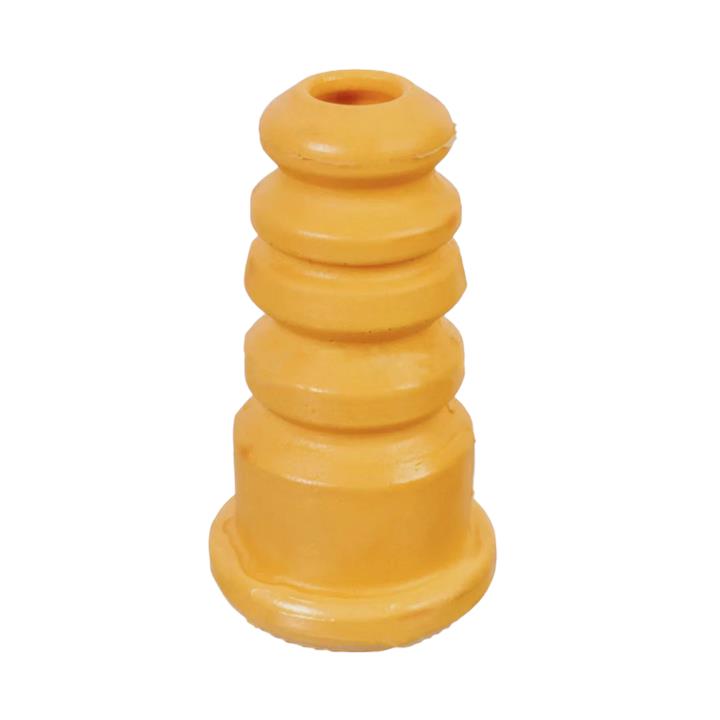
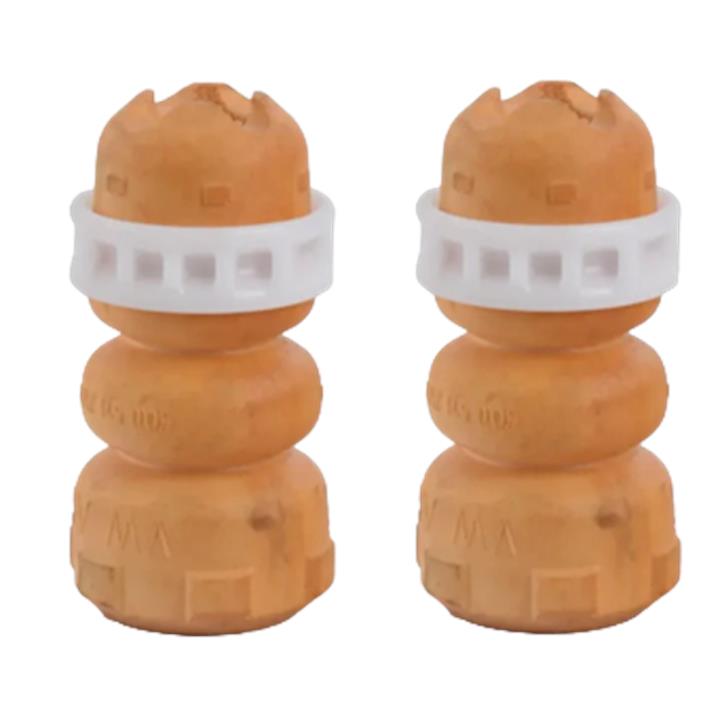
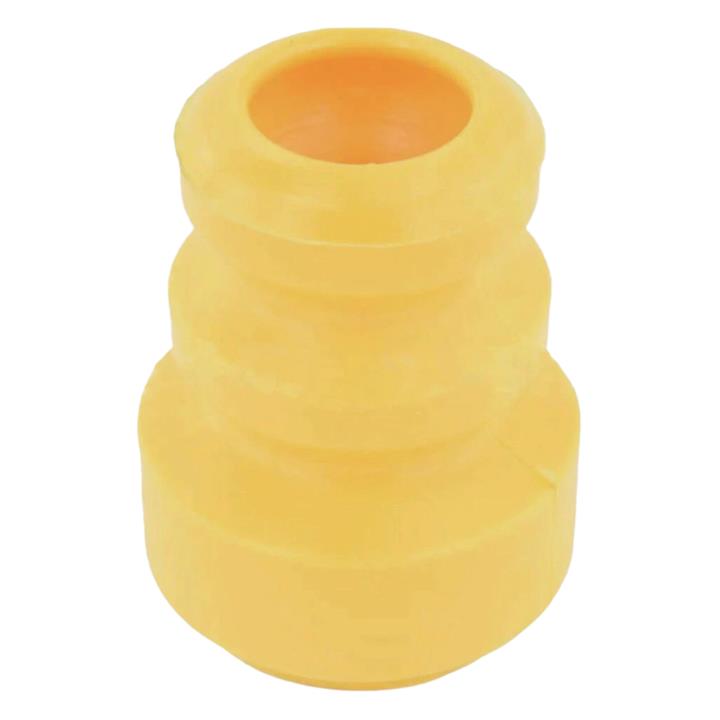
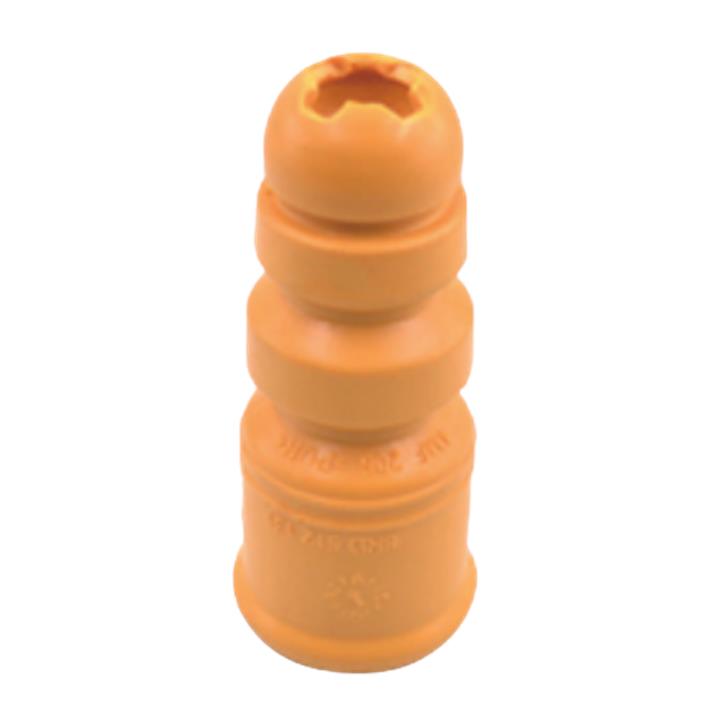
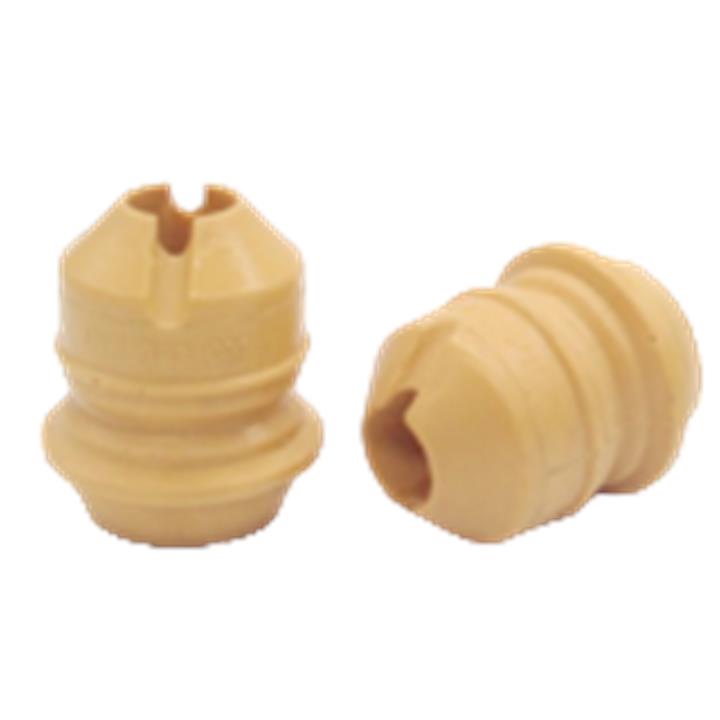
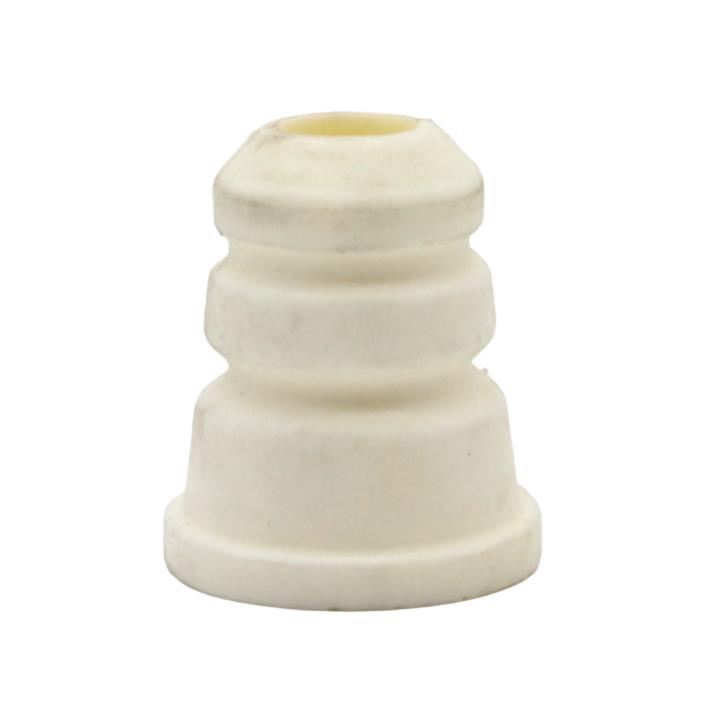
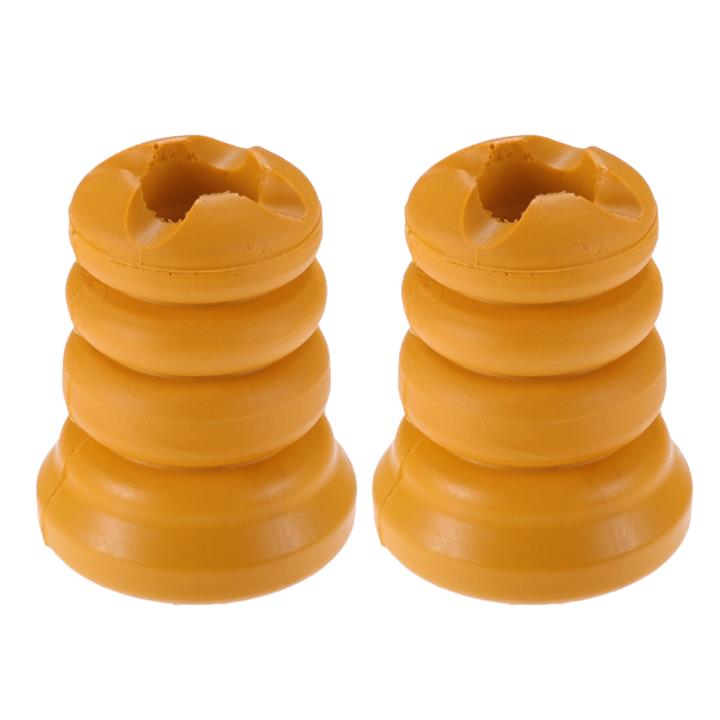
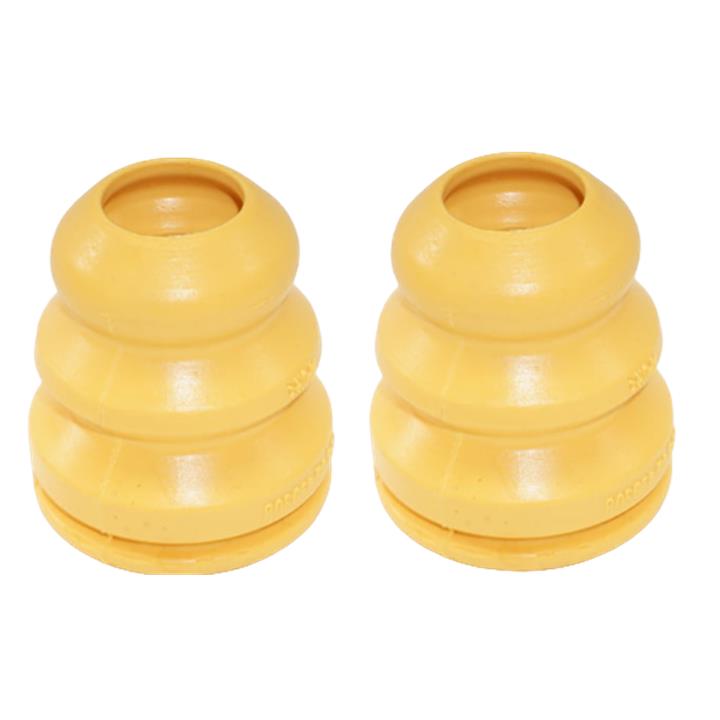
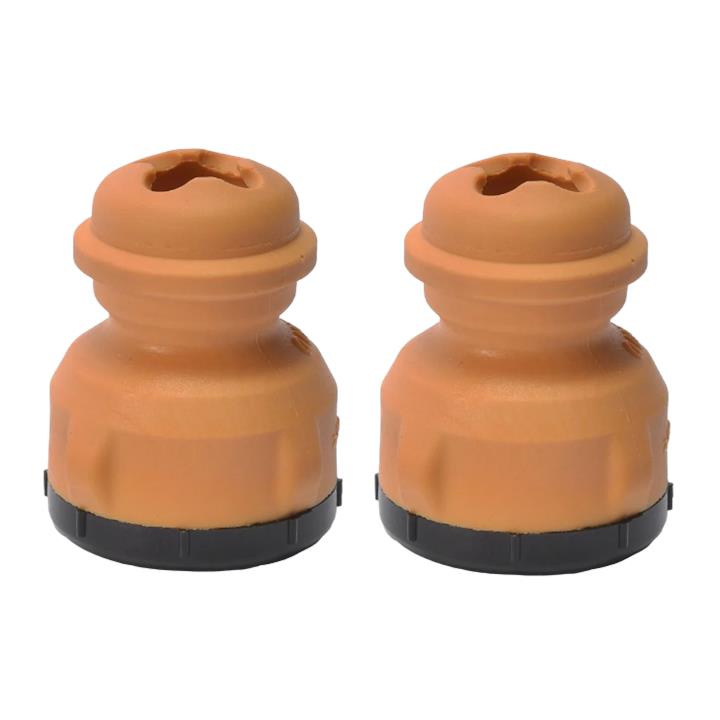
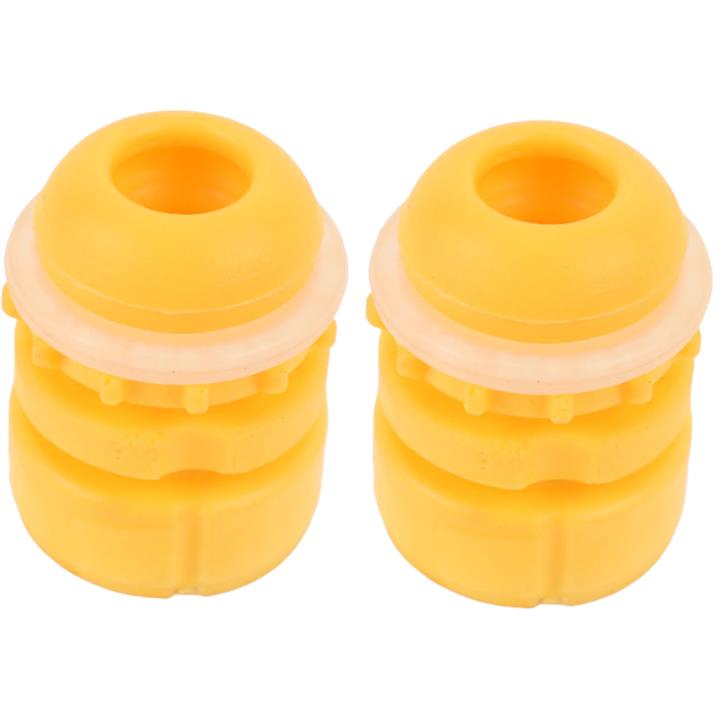
A Honda strut bump stop is the elastomer buffer fitted over the damper rod of the front suspension. When the strut reaches full compression, the bump stop cushions the impact, protects the damper and the strut mount from metal-to-metal contact, and keeps noise and harshness at an acceptable level. The part referenced by genuine Honda number 51722-SFE-003 is a front bump stopper shared by a wide group of Honda platforms, from the seventh-generation Accord family to the JDM Odyssey, Elysion, Inspire and Legend. Because the same buffer serves several model lines, this part is a regular reorder item for Honda specialists and suspension distributors. This page summarises the specification, fitment, material options and sourcing details that purchasing teams need when comparing suppliers.
Purchasing teams normally start with a dimensional check before comparing prices. The reference part below is manufactured to the original drawing tolerances and is intended as a direct-fit replacement for applications listed under OE 51722-SFE-003.
| Parameter | Value |
|---|---|
| Product Name | Strut Bump Stop |
| Bonpora Nos | 4110219 |
| OE / OEM Number | 51722-SFE-003 |
| Fitment | Honda |
| Position | Front Axle |
| Size | Φ12 x Φ50 x 63 mm |
| Material | Polyurethane |
| Country of Origin | China |
| Warranty | 1 Year |
| Delivery Time | 15–30 Days |
| Packaging | Neutral Export Packaging |
| Custom Service | OEM & Custom Design Support |
The stated size Φ12 x Φ50 x 63 describes a cylindrical microcellular buffer. The 12 mm centre bore slides over the damper rod, the 50 mm outer diameter determines how much compression travel is absorbed before the suspension bottoms out, and the 63 mm free height sets the clearance available under full bump. These three values identify the part far more reliably than a photograph does, because several Honda buffers look alike but differ in bore or height. Confirm all three against the removed part, or against the parts diagram for the specific chassis code, before placing an order.
Bump stops are frequently ordered by OE number rather than by vehicle description, because one buffer design often covers several model years and related platforms. Leading aftermarket catalogues reference OE 51722-SFE-003 for the following applications:
| Model | Chassis | Years |
|---|---|---|
| Honda Accord | CL7 / CL8 / CL9, CN, CM | 2002–2008 |
| Honda Accord (Europe) | CU2 | 2008–2015 |
| Honda Odyssey / Shuttle | RB1 / RB2 | 2003–2008 |
| Honda Elysion | RR1–RR6 | 2004–onward |
| Honda Inspire | UC1 | 2003–2007 |
| Honda Legend | KB1 | 2004–2008 |
Closely related genuine numbers with the same geometry, such as 51722-SS0-004 and 51722-TA5-A01, are commonly quoted under the same aftermarket reference and serve overlapping applications in the Accord and TSX ranges. Honda also issued different front buffers for different suspension set-ups within the same model line, so always confirm the chassis code, the parts diagram and the three key dimensions before releasing an order.
Buyers in North America may recognise some of these platforms under different names: the CL9 chassis was sold there as the Acura TSX, and the UC1 Inspire is mechanically close to the North American Accord V6. Naming differences between markets are one of the main reasons OE numbers remain the preferred search key for cross-border sourcing of Honda suspension parts.
When a buyer sends only a number, a professional reply should come back with a dimensional drawing, a material specification and photographs of the finished part. This confirms that the supplier is quoting against the correct tooling instead of substituting a visually similar buffer from another platform. An experienced auto parts supplier will match the OE number, the three key dimensions and the material grade in the same message rather than asking you to re-specify the part.
The front bump stop works hardest on vehicles that carry frequent loads, run on poor road surfaces, or have covered high mileage on worn dampers, because a tired damper allows the suspension to reach full travel far more often. Inspecting the buffer whenever the struts are replaced is a sensible workshop practice: a crushed, cracked or oil-soaked buffer no longer limits travel and transfers impact loads straight into the strut mount, which is far more expensive to repair than the buffer itself.
Original buffers were commonly moulded from microcellular rubber. Microcellular polyurethane (MPU) has largely replaced it in replacement programmes because it holds its shape under repeated compression and resists oil, ozone and road-salt exposure.
| Property | Microcellular Polyurethane | Rubber |
|---|---|---|
| Compression set | Low — recovers after load | Higher — gradual sagging |
| Oil & ozone resistance | Good | Moderate |
| Operating temperature | Typically −40°C to +80°C | Narrower range |
| Load-carrying capacity | Higher for a given volume | Lower |
| Service life in suspension use | Generally longer | Generally shorter |
The trade-off is cost and stiffness. A harder compound reduces travel and transmits more noise; a softer compound absorbs more energy but may compress past its designed limit under heavy load. For most replacement applications a medium-density polyurethane matched to the original hardness gives behaviour closest to the factory part.
Buyers who need a non-standard length, diameter or hardness can have the part produced to their own drawing. Typical customisation scope includes:
For a custom programme, prepare a drawing with tolerances, a target hardness, the expected annual volume and the required packaging format. These four items are enough for a factory to quote and to build tooling. Details of the development process are described on our custom parts page.
Replacement suspension buffers are normally inspected in batches rather than individually, so the inspection standard should be agreed before the order is placed. A practical QC checklist for a polyurethane bump stop covers dimensional verification against the drawing, hardness testing of the compound, visual inspection for flash and voids, and a compression test on sampled units.
For export shipments, neutral packaging keeps the carton free of branding so the goods can move through different distribution channels. Each carton is labelled with the OE number, the Bonpora number and a batch code, so any claim can be traced back to its production run.
Most Honda bump stop orders follow a simple sequence. The buyer confirms the OE number and quantity, the factory confirms stock or the production schedule, and a proforma invoice is issued with the available freight options. Sample orders are usually shipped by express courier, while volume orders move by sea freight in cartons stacked on pallets. For mixed containers, buffers are commonly combined with other polyurethane suspension parts so that a buyer can build a full programme with a single order.
To receive an accurate price and lead time, send the OE number together with the required quantity, the destination port and the packaging requirement. If the part number is unknown, a photograph of the old buffer beside a ruler is usually enough to identify it.
Leading catalogues list the part for the Honda Accord VII (CL, CN and CM series, 2002–2008), the European Accord CU2, the Odyssey and Shuttle RB1/RB2, the Elysion RR1–RR6, the Inspire UC1 and the Legend KB1. Related numbers 51722-SS0-004 and 51722-TA5-A01 cover overlapping applications. Confirm the chassis code and the dimensions against your vehicle before ordering.
Yes. The buffer is produced to the original dimensions Φ12 x Φ50 x 63 mm and is intended as a direct-fit replacement for applications using OE 51722-SFE-003. We recommend checking the bore, the outer diameter and the free height against the removed part before installation.
Yes. Height, bore, outer diameter and polyurethane density can all be customised, and private-label packaging is available for distributors. Provide a drawing with tolerances and the expected order volume, and the factory will quote tooling cost and unit price.
The minimum order quantity depends on whether the item is supplied from stock or produced to order. Stock items can usually ship in small trial quantities, while tooling-based custom orders follow the agreed minimum batch size. Standard production lead time is 15–30 days after order confirmation, with freight time additional depending on the destination port and the shipping mode selected.
Send the required quantity and destination port for a quotation, or request a sample to verify fitment before committing to a full order. Enquiries quoting OE 51722-SFE-003 are answered with specification, price and lead time in the same reply. The full range of buffers is available in our polyurethane bump stop catalogue.