sales@bonporaparts.com
0086-10-64988621
English
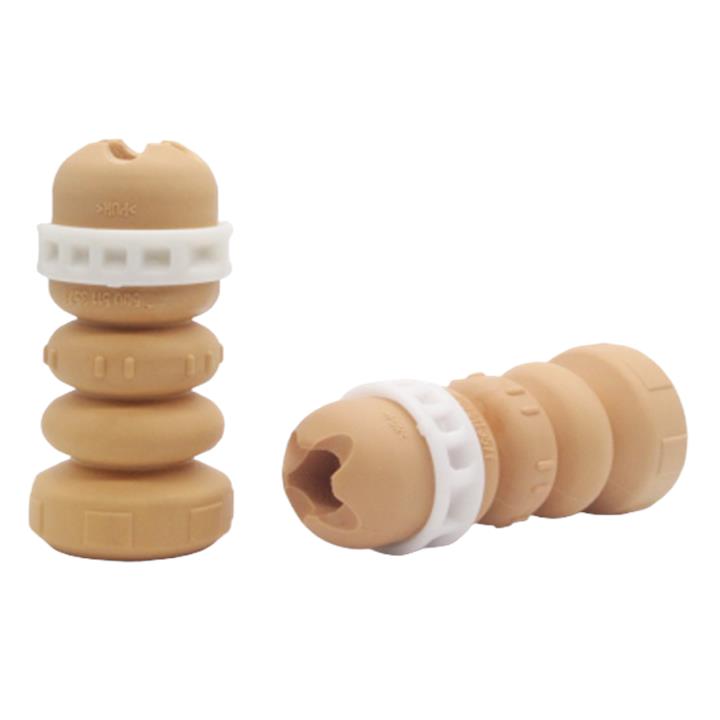
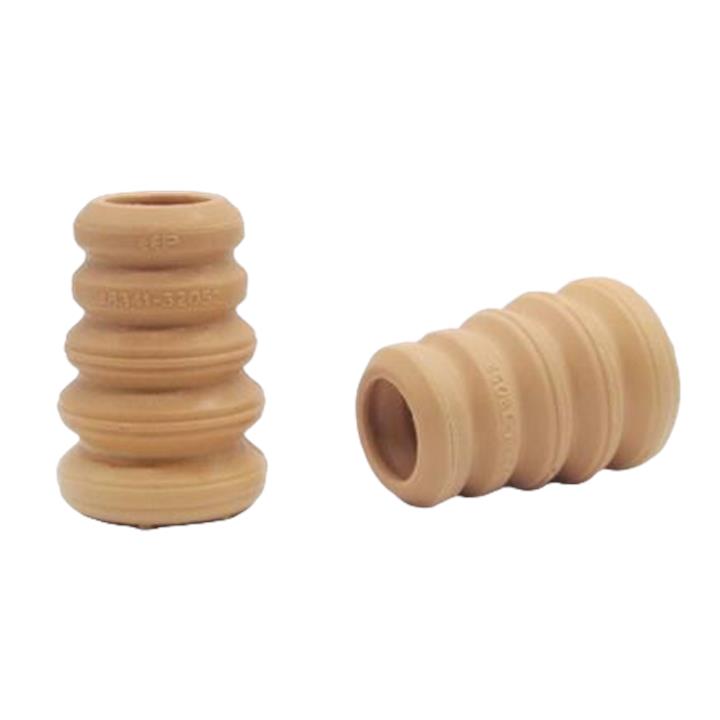
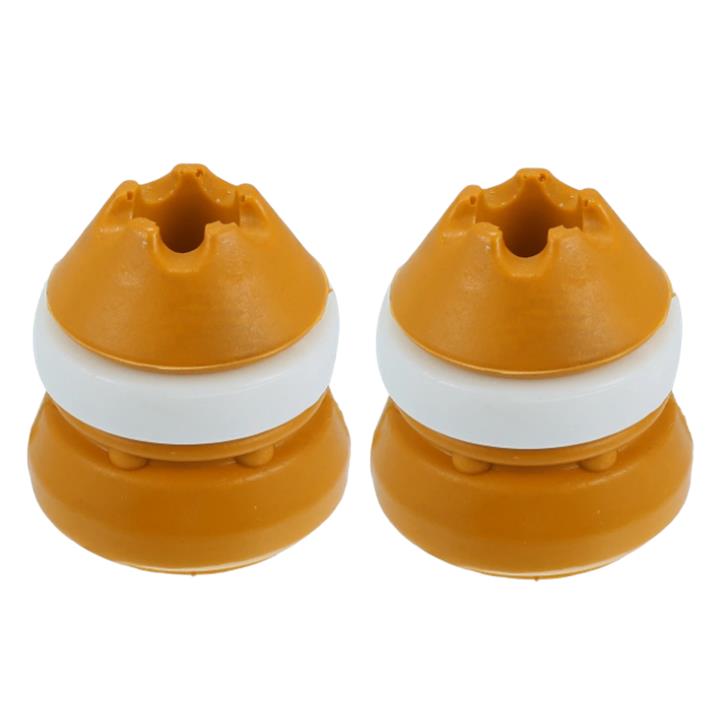
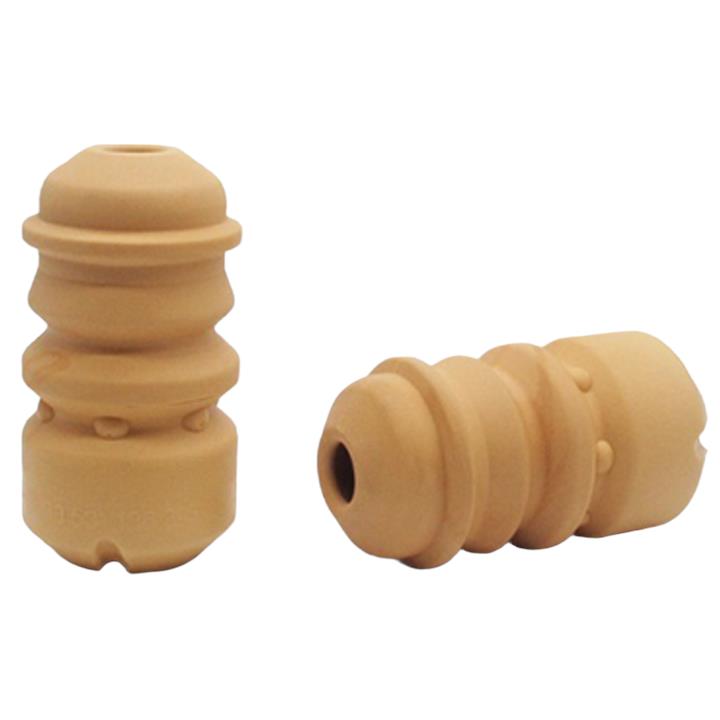
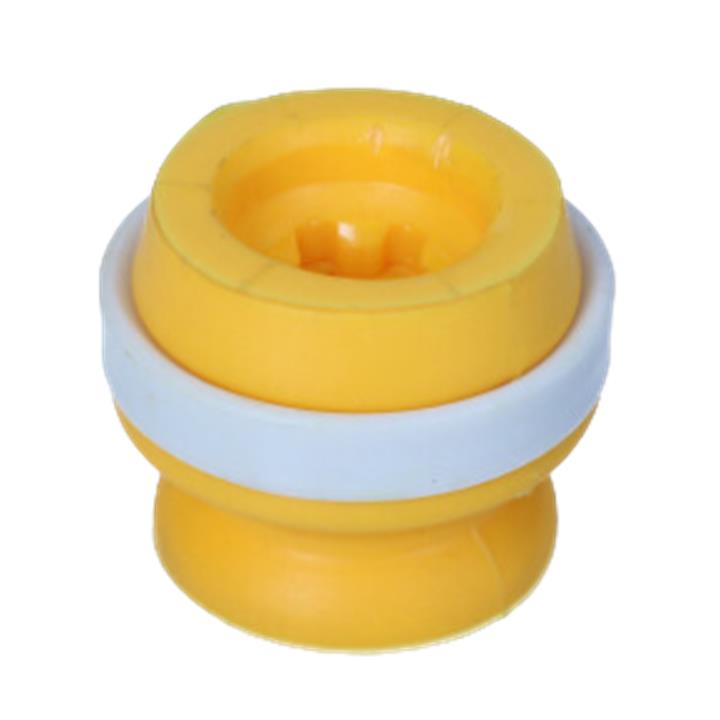
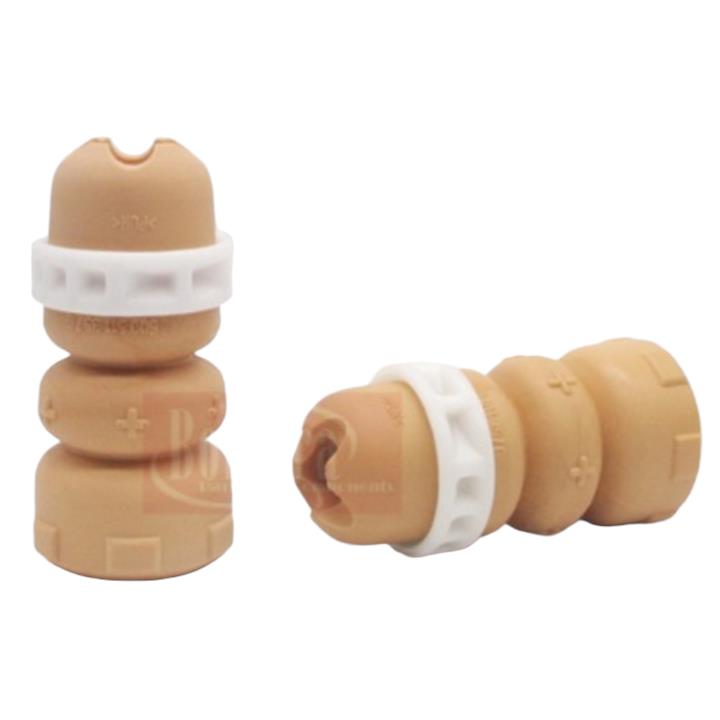
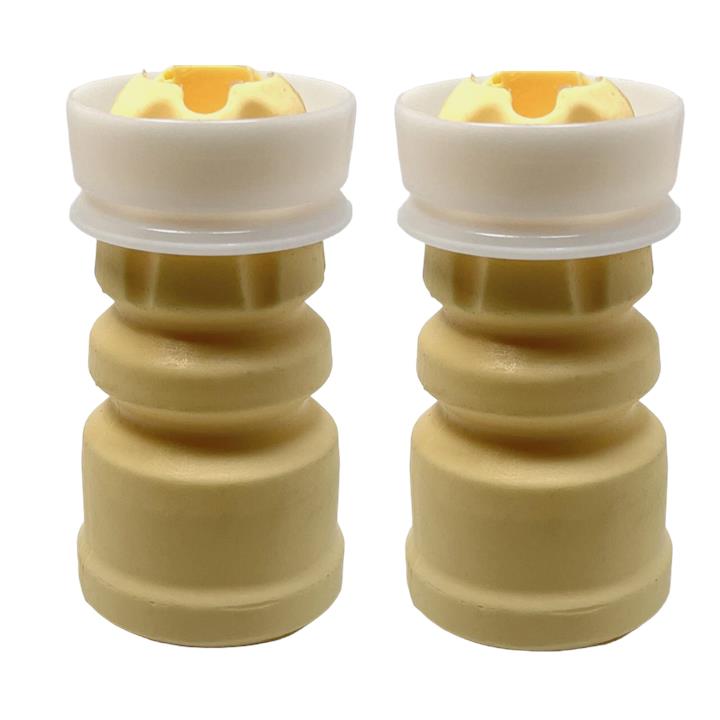
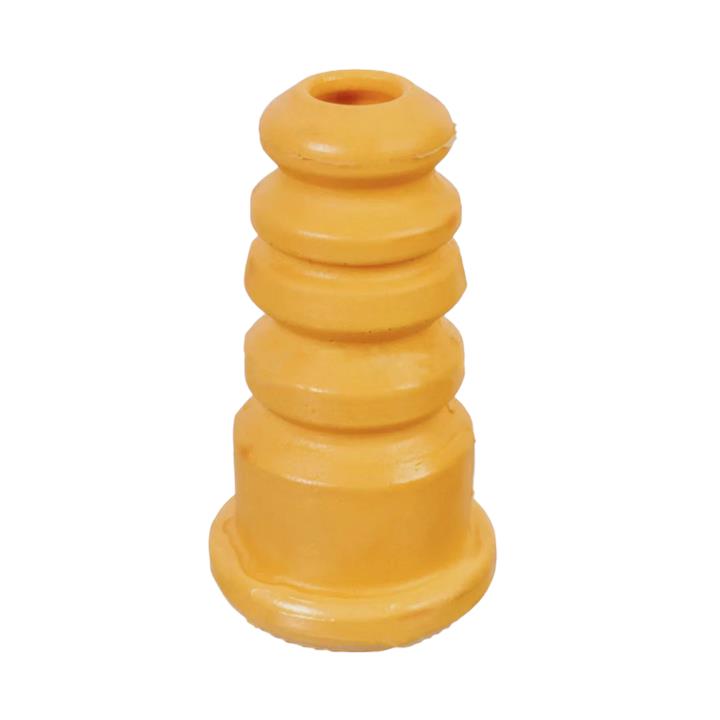
A rear strut bump stop is one of the smallest parts on a Mazda, yet it decides how the rear suspension behaves at the end of its travel. When a Mazda3 or CX-5 is loaded with passengers, tools or cargo, the rear coil spring compresses further than it does when the car runs empty. The jounce bumper is the progressive rubber element that takes that final movement and stops the coil from binding and the damper rod from bottoming out. Buyers who search for a rear shock absorber buffer by OE number usually already know the vehicle - what they need is a supplier who can confirm the number, hold the dimension and ship on schedule. This page covers the reference KR11-28-111, the production numbers it corresponds to, the models it serves and the points to check before a purchase order is issued.
KR11-28-111 is a rear suspension jounce bumper reference used in the Mazda aftermarket for the third-generation Mazda3 and the first-generation CX-5. In the Mazda parts catalogue the same physical part appears under production numbers including KD35-28-1A0 and the KD35-28-910 and KD45-28-910 families. Independent catalogue makers list all of those numbers under a single rear-axle rubber buffer, which is why two buyers can quote different numbers for the same component.
The part is supplied in two ways. Genuine Mazda channel stock is normally a natural or black rubber moulding. Maintenance-free replacement ranges, including polyurethane bump stops, use a cast elastomer instead and are ordered by the same OE number. Both fit the same damper rod and spring seat; they differ in how they age.
Mazda front and rear spring dampers share the same numbering pattern, and the middle group is what separates them. The 34 group belongs to the front suspension and the 28 group belongs to the rear. A number such as KD35-34-111 is therefore a front strut bumper, while KD35-28-1A0 and the KR11-28-111 reference are rear parts. Reading the middle group first removes most of the risk from a manual catalogue search.
The prefix carries the platform and the suffix carries the revision. KD identifies the Skyactiv-era CX-5 and Mazda3 platform family, while KR indicates the same family of rear spring components. Suffixes such as A0, 910C or 910E mark engineering revisions that share a fitment but can carry a slightly different free length or hardness.
| Item | Value |
|---|---|
| Product name | Strut Bump Stop (rear jounce bumper) |
| OE reference | KR11-28-111 |
| Production numbers | KD35-28-1A0; KD35-28-910C / 910D / 910E / 910F / 910H / 910K; KD45-28-910C / 910E |
| Bonpora No. | 4110080 |
| Position | Rear axle, left and right |
| Dimensions | Φ15.13 x Φ63.67 x 123.5 mm |
| Material | Polyurethane elastomer |
| Country of origin | China |
| Warranty | 1 year |
| Delivery time | 15-30 days |
| Packaging | Neutral export packaging |
| Custom service | OEM and custom design support |
The Φ15.13 mm bore is the locating dimension that matters most: it is the hole that slides over the damper rod, and if the bore is tight the bumper will not seat, while if it is loose the part will rattle on rebound. The Φ63.67 mm body diameter governs how much of the spring seat the bumper occupies, and the 123.5 mm overall length sets the point at which compression becomes progressive. Buyers comparing quotations should request all three dimensions rather than a single length figure.
The rear bumper reference applies to the Skyactiv-generation Mazda models that share the multi-link rear suspension. The table below groups them by platform and generation.
| Platform | Model | Years | Notes |
|---|---|---|---|
| KE / GH | Mazda CX-5 | 2012-2017 | 2.0 petrol, 2.5 petrol, 2.2 diesel; FWD and AWD |
| BM / BN | Mazda3 | 2013-2019 | Hatchback and sedan, Skyactiv-G and Skyactiv-D |
The CX-5 KE generation is the reference application, because the multi-link rear suspension that Mazda introduced with the Skyactiv platform carries the same damper-to-body geometry across the compact range. This is the reason one rear buffer keeps appearing under several production numbers.
A shock absorber buffer is rarely replaced on its own when the rear corner is being rebuilt. The table below lists the parts a repairer normally touches at the same time, together with the type of part each number identifies.
| Number | Part type | Why it matters |
|---|---|---|
| KD35-28-0A3 | Rear coil spring lower seat | Rubber seat under the coil; the bumper works against it under compression |
| KD35-28-012 | Rear spring and damper related seat component | Grouped with the lower seat in the Mazda rear suspension diagram |
| B45A-28-910A / 910B | Rear spring guide component | Appears in the same cross-reference family as the buffer |
| B45A-28-350A | Rear spring lower arm | Mounting arm for the rear spring, left side |
| Damper body | Rear shock absorber | Replaced as an assembly when the rod is scored |
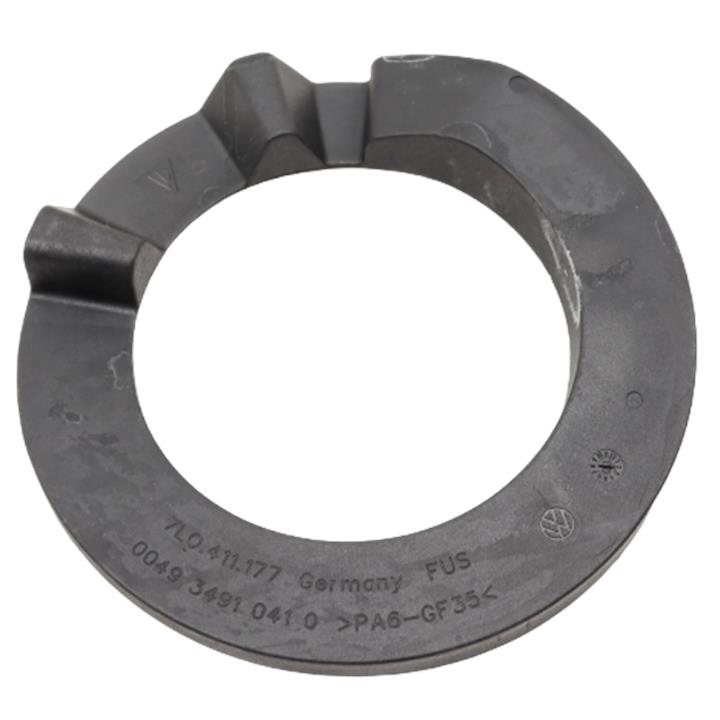
The lower seat is worth keeping in the same line item as the bumper. A seat that has taken a compression set allows the bumper to over-travel, so a new bumper fitted on a flattened seat ages faster than expected.
The two materials fail in different ways, and the choice usually follows the duty cycle of the vehicle rather than the price of the part.
| Property | Rubber (typical replacement) | Polyurethane |
|---|---|---|
| Elastic recovery after compression cycles | Recovers, then hardens with age | Maintains progressive response over a wider temperature range |
| Behaviour in oil and grease contact | Softens over time | Resists swelling better in normal service |
| Response on rough, unsealed roads | Adequate on light loads | Holds its working height on repeated full compression |
| Consistency between batches | Varies with compound and cure | Cast to a fixed hardness and dimension |
| Failure signature | Cracks and compresses permanently | Typically outlives the damper when hardness is specified correctly |
Several catalogue ranges list this rear buffer with a stated hardness rather than a shore range, which allows a workshop to match a replacement against the original specification instead of accepting whatever a generic listing provides. Hardness selection should follow the OE value; a bumper that is too hard transfers load into the damper mounts.
Requests for this component arrive through a handful of predictable search paths, and each one needs a slightly different answer.
Enquiries framed as "rear strut bump stop, 15 mm bore, 123 mm length" are usually resolved by matching the three dimensions against the drawing before a part number is quoted. Keep the bore, body diameter and overall length side by side in the reply.
Buyers searching for a custom parts supplier are normally comparing two or three sources on repeatability, not only on unit price. A supplier who can issue the same dimensional check sheet with every batch is easier to keep on an approved vendor list.
Quoting KR11-28-111 together with KD35-28-1A0 confirms that the seller understands the cross-reference family. A reply that recognises only one of the two numbers is a reason to ask for written confirmation before ordering.
Requests such as "CX-5 rear bump stop 2013" or "Mazda3 BM rear jounce bumper" are the most useful, because they already narrow the platform. Confirm whether the vehicle is a KE or a KF generation before accepting the order.
Distributors who want their own carton and label should state the hardness, colour and marking requirement at the enquiry stage. Private-label tooling is not needed for this part, so branding can be applied to the packaging rather than to the component.
A rear buffer purchase should be closed out with documents, not with a photograph alone. The following items are commonly requested by importers and by their own customers.
For an overview of the wider chassis range, the chassis and suspension category lists the related spring, seat and damper components.
Five points catch most of the problems that lead to a rejected shipment.
Bumpers leave the factory in neutral export packaging with the quantity, reference and batch code marked on the outer carton. Standard production and delivery time is 15-30 days from confirmation of the order, and it is measured from the point at which the drawing or sample is approved rather than from the date of the enquiry. Because the part is light and compact, mixed cartons with spring seats and dust covers are practical for distributors who prefer to consolidate a chassis order into a single shipment.
They resolve to the same rear axle bumper. KR11-28-111 is the reference used in the aftermarket, while KD35-28-1A0 is a Mazda production number for the same fitment. Catalogue makers list both under one rear rubber buffer, so a quotation should confirm the full family rather than a single number.
The KF generation uses its own rear bumper number, so the KE part should not be quoted for a 2017-onwards CX-5 without checking the vehicle. Always confirm the generation from the VIN or the original part before the order is placed.
Two. The bumper is fitted on both rear corners of the multi-link suspension, so a full-axle service requires one per side. Workshops that replace a single side usually do so only after impact damage.
Yes. Because the bumper is cast rather than bonded, the compound hardness can be specified within a working range to suit a particular load profile. The recommended starting point is the original specification, and any change should be supported by load-deflection data.
Send the OE number, the vehicle model and year, and the position you are working on. If the number on the old part differs from the one in your catalogue, include a photograph of the marking and we will confirm whether it belongs to the same rear-axle family. Quotations include the dimensional data sheet so your technical team can compare the replacement against the original before the order is released.
View the full product range or contact the sales team with your enquiry and we will reply with availability, packaging options and lead time.