sales@bonporaparts.com
0086-10-64988621
English
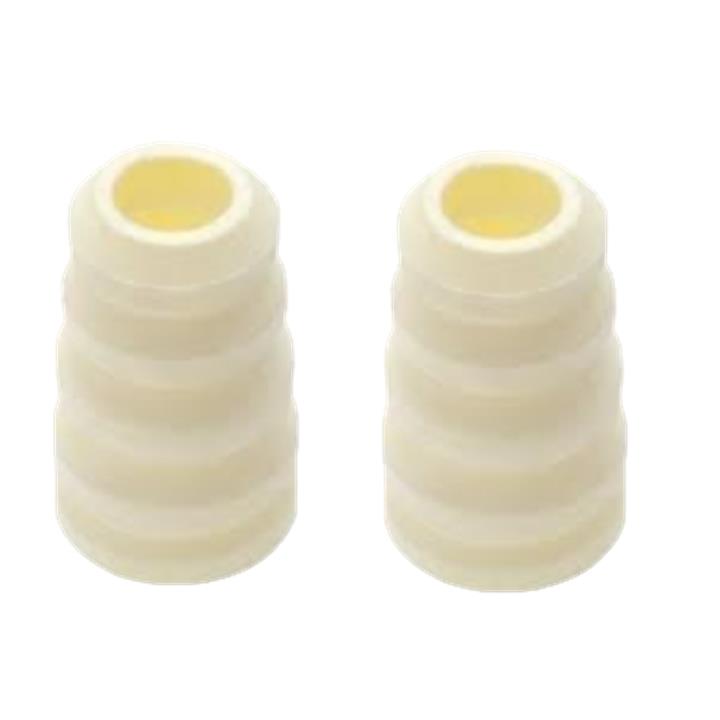
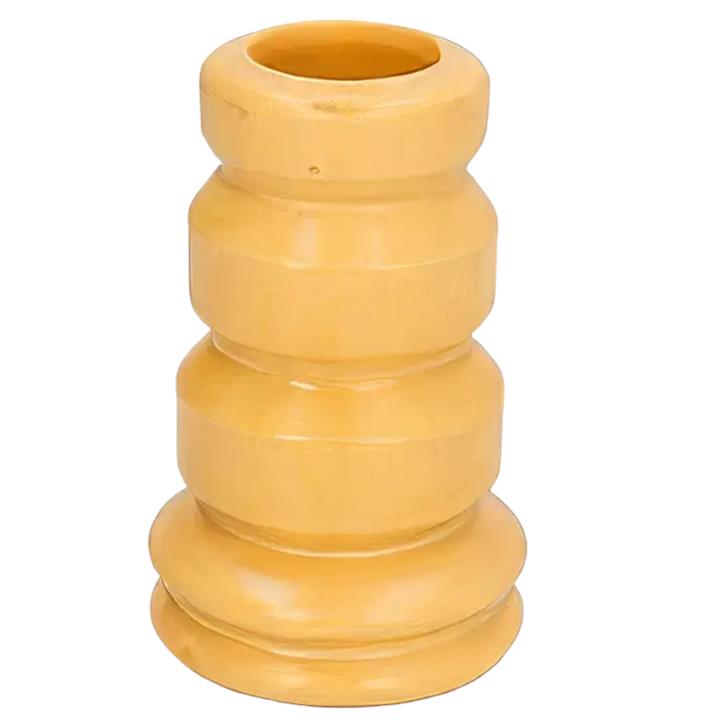
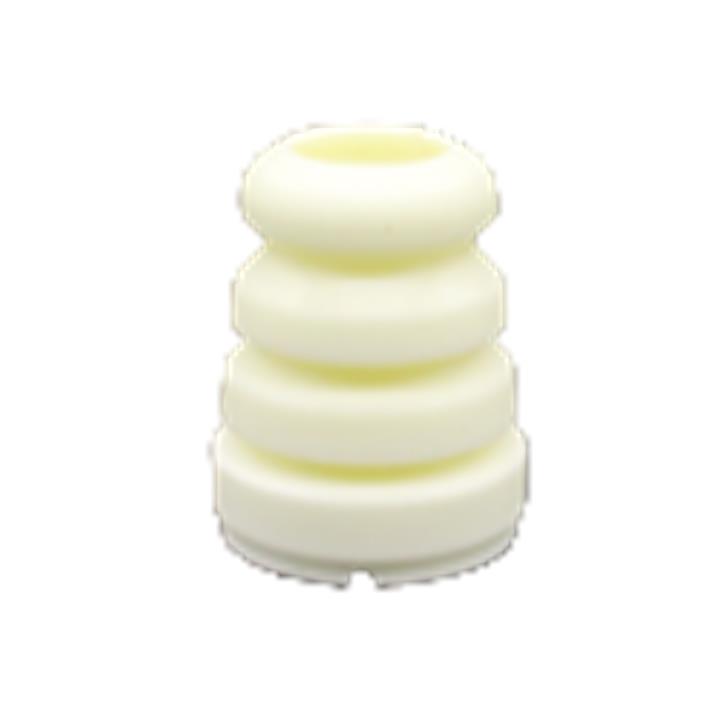
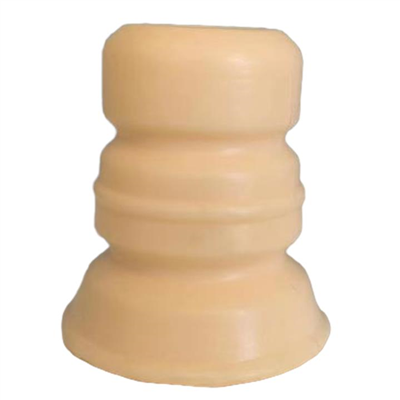
A strut bump stop is the last line of defence inside a Mazda suspension. When the coil spring nears the end of its compression travel over a pothole or a fully loaded cabin, the bump stop deflects and absorbs the energy the spring can no longer take. Buyers searching for a Mazda strut bump stop GHP9-34-111 supplier usually ask the same practical questions: will the part seat correctly on the damper rod, will the compound survive repeated full-compression events, and can the factory hold the same quality across every batch. This page answers those questions from a factory point of view.
Buyers in this category search in several ways: part type plus specification, such as a polyurethane bump stop with a stated bore and free length; part type plus supplier, such as a Mazda bump stop manufacturer in China; part type plus OE reference, such as GHP9-34-111; vehicle plus part, such as a Mazda suspension bump stop; or a custom project matched to a moulding partner. The sections below cover each of those angles, from the role of the part to inspection, packaging and lead time.
The reference GHP9-34-111 follows the five character prefix numbering format used across modern Mazda programmes, in which the leading characters identify the model programme and the middle block identifies the component group. Because the same prefix family can cover several generations and axle positions, confirm the OE reference against a Mazda catalogue entry or the original part before a bulk order is released.
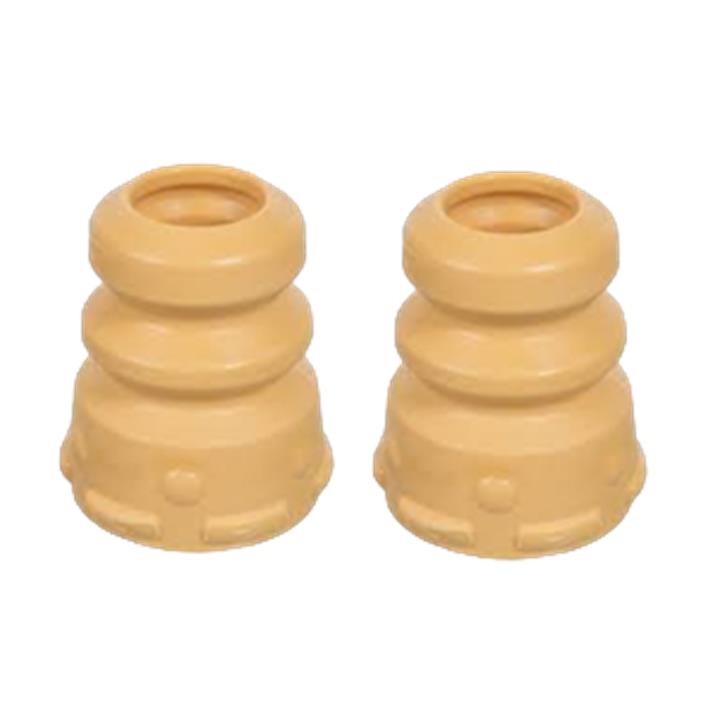
In service, the bump stop slides over the damper rod inside the coil spring. Its job is progressive resistance rather than rigid blocking. During mild movements the spring alone carries the load. Once the spring nears full compression, the stop begins to deflect and resistance builds gradually, absorbing energy that would otherwise pass straight into the damper, its mounts and the body structure.
The stop mounts on the damper rod below the dust boot, between the spring seat and the top of the strut. Its centre bore holds a light interference fit on the rod so the part stays in position through years of vibration, while its outer diameter must clear the inside coil of the spring through the full stroke. Both tolerances matter as much as the material, which is why the dimensions in the table below are the primary fit check.
A perished bump stop becomes a hard, crumbling ring that no longer absorbs energy. The driver hears a knock over speed bumps and feels a harsh bottoming-out through the chassis. The damper then reaches the end of its stroke repeatedly, passing impact load into the upper mount, the damper body and the surrounding sheet metal. Replacing the stop at that stage is a low-cost repair compared with the damage it prevents, and it restores the ride character the suspension was tuned to deliver.
| Item | Specification |
|---|---|
| Product Name | Strut Bump Stop |
| OE Number | GHP9-34-111 |
| Bonpora Nos | 4110147 |
| Fitment | Mazda |
| Size | Φ20.8xΦ56.2x89.5 mm |
| Material | Polyurethane |
| Country of Origin | China |
| Warranty | 1 Year |
| Delivery Time | 15-30 Days |
| Packaging | Neutral Export Packaging |
| Custom Service | OEM and Custom Design Support |
The three dimensions form the primary fit check. The Φ20.8 mm centre bore slips over the damper rod with a light interference fit, and the Φ56.2 mm outer diameter clears the inside of the coil spring through the full compression stroke. A 89.5 mm free length is a mid-range travel configuration, so the part must stay compliant in the early part of its travel and build resistance progressively, which is what the polyurethane density is selected to achieve. Verify all three dimensions against the removed original before releasing a bulk order.
Mazda suspensions are tuned with an emphasis on ride compliance and controlled body motion, and the bump stop follows the same logic. It is not an emergency buffer that only works at the last millimetre; on a well-tuned strut it takes part in the compression curve and shapes how the vehicle behaves near full travel.
A progressive stop extends the effective travel of the suspension. Instead of a hard stop that throws the load back into the chassis, the polyurethane column compresses gradually, so the transition into bump stop travel is difficult for the driver to notice. A harsh secondary impact would otherwise undo the comfort the spring and damper rates were chosen to provide.
Every compression event the bump stop absorbs is energy the damper, the top mount and the body structure do not have to take. Over the life of a vehicle this adds up to less wear on the upper mounts and fewer stress cycles in the strut tower area. Fleet operators on rough roads see the difference in suspension repair frequency when bump stops are replaced on schedule instead of being left until they crumble.
Purchasing agents in different regions use different search routes, but the checks applied before a first order are almost identical. A short list keeps the risk low.
Use GHP9-34-111 as the master reference and treat every other code as a cross reference. Ask the supplier to state the OE number on the quotation, the invoice and the carton label. A supplier who cannot confirm the reference explicitly is shipping an unverified batch.
A catalogue line reading only "Mazda" is not enough information to order on. Request the bore, the outer diameter and the free length in millimetres, then compare them with the removed part. A difference of two or three millimetres on the outer diameter is enough to cause spring contact or an incorrect seat, and a bore that is slightly loose will let the stop slide on the rod and wear unevenly.
Polyurethane bump stops are normally supplied within a defined Shore A hardness range. Ask for the range and the batch test record rather than a generic material claim, because the compression curve is what the suspension feels on the road. Consistent hardness between batches is one of the clearest signs of a controlled moulding process.
| Property | Polyurethane Bump Stop | Rubber Bump Stop |
|---|---|---|
| Load capacity for the same volume | Higher, so a smaller part can do the same job | Lower, needs more volume |
| Oil and ozone resistance | Good in road and workshop exposure | Degrades faster with age and ozone |
| Compression set after long service | Stays closer to the original shape | Tends to sag and set permanently |
| Performance at low temperature | Retains flexibility across a wide range | Can stiffen noticeably in hard cold |
| Consistency between batches | Highly repeatable when moulded correctly | Depends on the rubber mix |
Polyurethane is the common choice for modern strut bump stops for these reasons, which is why this reference is moulded in polyurethane as standard. Compound quality still separates suppliers: a low-grade formulation can turn brittle within a season, so the formulation and the cure schedule are worth an audit question before the first container is booked. More on the material is available on the polyurethane bump stop category page.
Buyers who import from a China factory want to know what happens before the cartons are sealed. A practical inspection sequence covers the following points.
Bore, outer diameter, free length and seat geometry are measured against a control sample. Gauges are verified at the start of the run and at fixed intervals, so a drift is caught inside the shift rather than at the loading bay.
Hardness is verified on the finished moulding, not only on the raw compound. Where required, compression-set and ageing data are recorded and kept with the production file.
Each moulding is checked for flash, voids and short shots. A sample from every batch is test fitted over a strut rod to confirm bore tolerance in real assembly conditions.
Beyond catalogue supply, the factory supports custom parts development for distributors, suspension brands and fleet operators. Typical projects include a new bore or free length, a different hardness for a heavier duty cycle, a coloured compound and private-label packaging. A drawing or a physical sample is enough to start; tooling and a first article follow, then production inside the agreed window.
For importers, the terms around the part matter as much as the part itself. This reference ships under conditions designed for container freight and mixed-category orders.
Standard supply is neutral export packaging, so the goods arrive without a third party brand and can be repacked or labelled under the buyer name. Private-label bags, printed part numbers or custom cartons can be arranged against artwork files.
The standard delivery time is 15 to 30 days after order confirmation, depending on the quantity and the moulding schedule at the time of booking. Bump stops sell across the year with peaks in suspension season, so buyers who forecast demand can lock production slots in advance and avoid peak-week capacity waits.
Buyers rarely source a single bump stop reference. The same programme usually covers dust boots, mounting parts and related shock absorber parts, and combining categories in one order reduces freight cost per unit. Because the factory moulds the full family in polyurethane on the same equipment, hardness and finish stay consistent across references in one shipment. A wider view of the range is available on the auto parts category page.
The reference belongs to the modern Mazda numbering system with a five character programme prefix. Because similar numbers can appear on several platforms and axle positions, confirm the application by entering GHP9-34-111 in a Mazda parts catalogue or by checking the original part. Cross-check the bore, outer diameter and free length against the table above before releasing a bulk order.
Send the OE number, the required quantity and the destination port or delivery terms. For custom projects, a drawing or a sample is enough to start. The quotation states dimensions, hardness range, packaging option and delivery window, so the buying team can compare offers on identical terms.
The standard window is 15 to 30 days after order confirmation. Large quantities or peak-season bookings sit at the upper end of the range. Buyers with rolling demand can agree production slots in advance, which keeps the delivery date stable across repeat orders.
Yes. OEM and custom design support covers private-label packaging, buyer part numbers on labels and custom cartons. When no brand is specified, goods ship in neutral export packaging, which keeps the order flexible for resale.
Standard checks cover dimensions, hardness, visual condition and a sample assembly trial over a strut rod. Batch records are kept with the production file. Buyers can arrange third-party or video inspection before the container is sealed, and sample pieces can be sent ahead of the bulk shipment for approval.
Send the OE number GHP9-34-111, the required quantity and the destination port to receive a quotation with confirmed dimensions, hardness range, packaging and delivery time. Sample requests and mixed-category orders can be combined in one shipment, and the sales team can advise on cross references when a programme covers several Mazda platforms.