sales@bonporaparts.com
0086-10-64988621
English
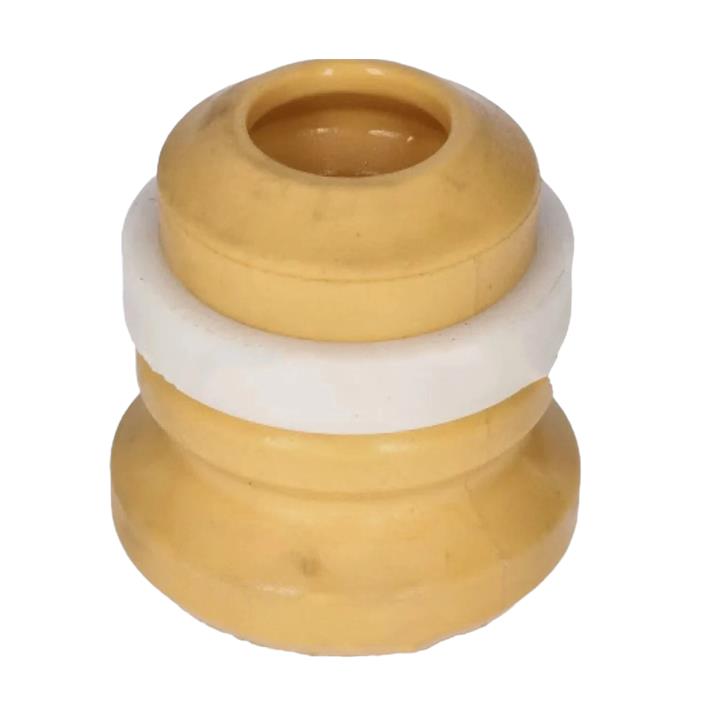
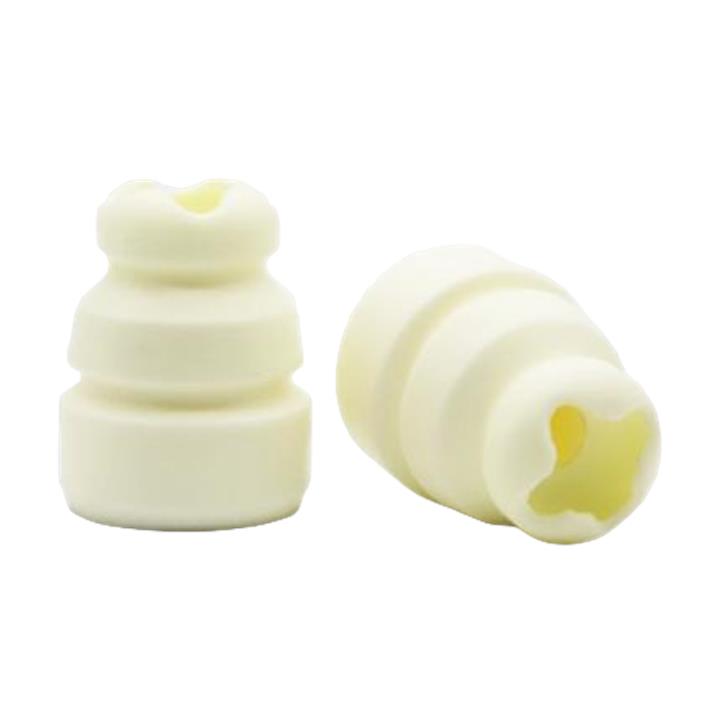
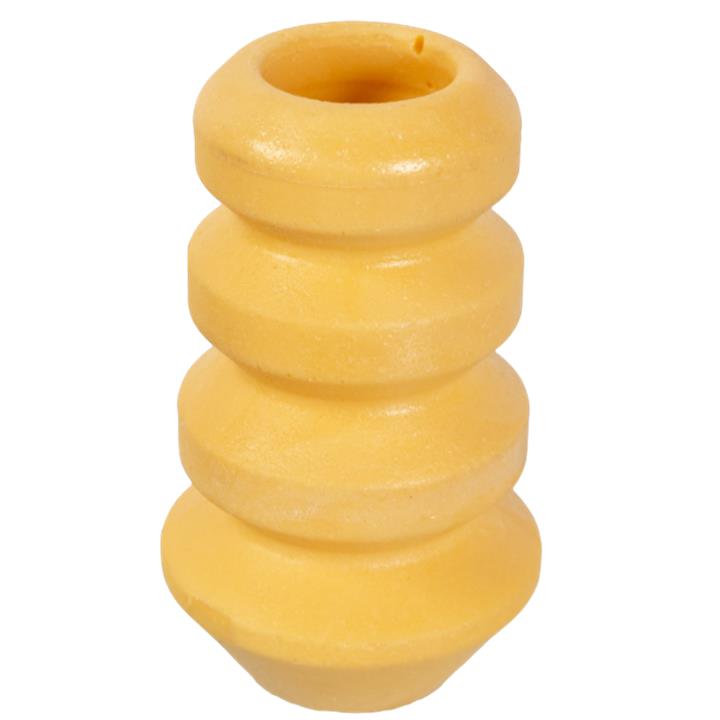
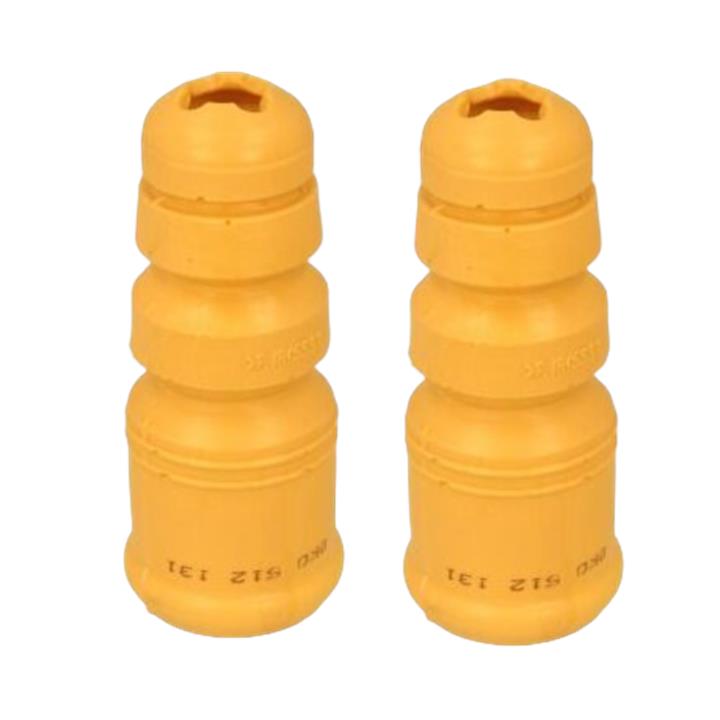
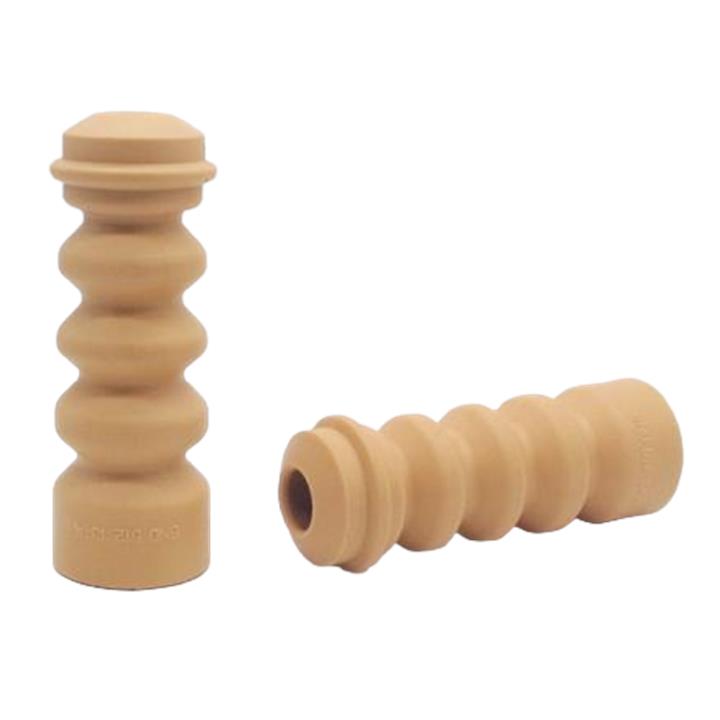
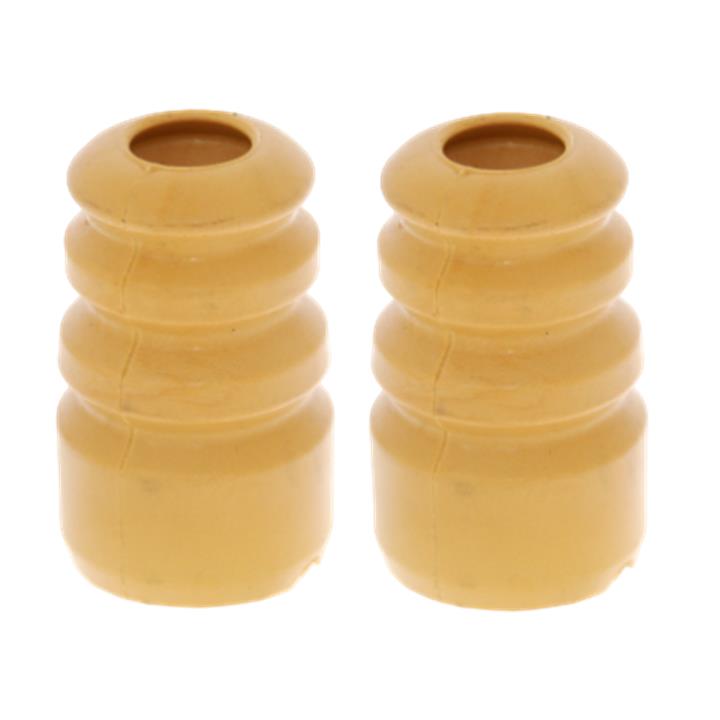
A strut bump stop is a small part that decides how a Mitsubishi front suspension behaves when the spring reaches full compression. If you are sourcing polyurethane bump stops for a repair network, a distribution programme or an aftermarket brand, the reference number most buyers start from is MR961000. This guide explains what the part does, which dimensions matter, how it is produced, and how to buy it in volume without quality surprises.
Inside every strut assembly there is a travel window. The coil spring and the damper absorb normal road input across that window. When the suspension runs past its designed compression range, the bump stop becomes the final cushion. Instead of metal meeting metal, the strut rod compresses a polyurethane body that absorbs the last part of the stroke and returns to shape afterwards.
Three functions follow from that job:
On high-volume Japanese platforms a single bump stop design is often shared across several body styles. That is useful for buyers, because one reference number can serve more than one repair application.
The table below lists the parameters we hold on file for this reference. Buyers cross-checking a sample should compare outer diameter, free length and bore diameter first.
| Parameter | Value |
|---|---|
| Product Name | Strut Bump Stop |
| OE Reference | MR961000 |
| Bonpora Nos | 4110163 |
| Fitment | Mitsubishi |
| Material | Polyurethane |
| Size | Outer diameter 53 mm x bore 20.5 mm x free length 70 mm |
| Warranty | 1 Year |
| Delivery Time | 15-30 Days |
| Packaging | Neutral Export Packaging |
| Custom Service | OEM & Custom Design Support |
| Country of Origin | China |
The free length of about 70 mm places this stop in the mid-range group. Related Mitsubishi strut stops sit between 60 mm and 90 mm depending on platform and damper stroke. If a catalogue lists a different free length for the same OE number, treat the physical sample as the authority and confirm before ordering.
Factory datasheets often write the size as 20.5x53x70 mm on one line. The order is bore or inner diameter, then outer diameter, then free length. Always confirm the order with the supplier before a first order, because a swapped pair of numbers produces a part that looks correct in a photo and does not fit.
| Property | Polyurethane | Conventional Rubber |
|---|---|---|
| Load capacity | Higher for the same volume | Lower |
| Compression set | Resists permanent set well | Sets faster over time |
| Oil and ozone resistance | Good | Moderate |
| Rebound behaviour | Progressive, tunable by hardness | Softer, less tunable |
| Typical service life | Longer in dusty and wet duty | Shorter |
For a stop compressed thousands of times a year, the difference shows up as shape retention. A stop that has taken a permanent set no longer protects the last part of the stroke, which is how a knock returns after a repair.
Most purchasing enquiries reach us in one of a few patterns, and it helps to know what each pattern means on the factory side.
If your enquiry starts from a number, send it with the quantity and the destination port. We will match it to the drawing on file and confirm the free length before quotation.
The number belongs to the Mitsubishi suspension bump stop series and is used on Mitsubishi passenger and light-duty applications. Because the same OE number can be listed against more than one generation, we recommend confirming fitment by the number itself rather than by model name alone.
Two practical checks help:
The bore of 20.5 mm is the first number to verify, because it sets how the stop is retained on the rod. A stop that rattles on the rod will find its own position under load and wear unevenly.
Each batch is moulded from polyurethane compound, trimmed, then checked against the drawing. Hardness is controlled batch by batch, because hardness is what sets the load curve at full compression. Release checks normally cover the following:
| Check | Method | Purpose |
|---|---|---|
| Dimensions | Caliper and gauge against drawing | Confirms bore, outer diameter and length |
| Hardness | Durometer reading on moulded sample | Confirms the load curve before assembly |
| Visual | Full inspection of moulding faces | Detects flash, voids and incomplete fill |
| Assembly fit | Trial fit on a reference strut rod | Confirms slide-on force is in range |
Samples are retained so that a repeat order can be compared against the original. That matters for programmes where the part will be sold under a distributor brand for several years.
We support two levels of customisation. OEM support means producing to your part number with your labelling and your packaging. Custom design support means adjusting hardness, changing the free length within the mould, or adding a locating feature. For custom work we need a drawing or a physical sample, the target quantity, and the application the stop will be used in. See our custom auto parts service for the intake checklist.
Standard orders ship in neutral export packaging with no manufacturer branding, which suits distributors who will repack under their own label. Typical delivery is 15 to 30 days from order confirmation, depending on quantity and mould availability. If a custom hardness or a new mould is involved, add time for sample approval.
For buyers who also source related hardware, our shock absorber parts range covers dust boots, spring seats and related suspension consumables so that several lines can be consolidated in one shipment.
An enquiry with these five points gets a firm quotation without a second round of questions.
The OE number identifies the part; the platform list tells you where it is used. If your catalogue shows the number against more than one model, order by the number and confirm the free length against the old part. Where a revision exists, the latest revision normally supersedes the earlier one.
In most cases yes, provided the geometry is the same. Polyurethane of the same shape is stiffer, so the compression curve changes slightly. If the vehicle is tuned for comfort, tell us and we will recommend a lower hardness instead of the default compound.
MOQ depends on whether the part is a stock reference. Stock references ship in small trial quantities. Custom hardness, custom length or new moulds require a higher first order because a tooling setup is involved. Send the target quantity and we will confirm which category applies.
Stops are bagged in counted inner packs and packed in export cartons sized to avoid deformation under stacking. Neutral export packaging is standard, so cartons carry no brand marks unless you supply artwork.
Yes. Samples can be shipped against the OE reference or against your own drawing. Confirm the courier account and we will arrange dispatch once the sample request is confirmed.
Send us the OE number MR961000, your quantity and your destination port. We will confirm the specification on file, note any tolerance question, and return a quotation with lead time. If you are comparing suppliers, ask for the hardness figure and the free length tolerance with the price, because those two numbers decide whether the part performs as expected after it is fitted.