sales@bonporaparts.com
0086-10-64988621
English
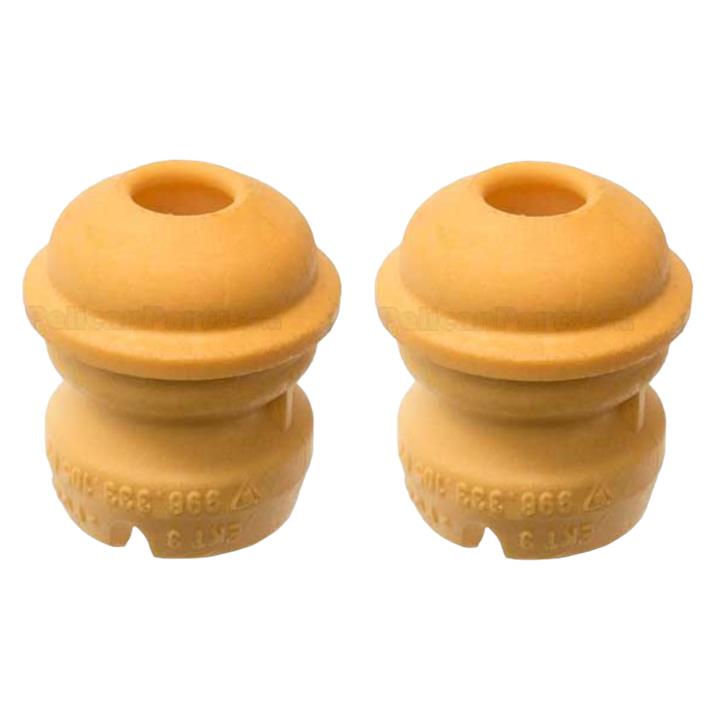
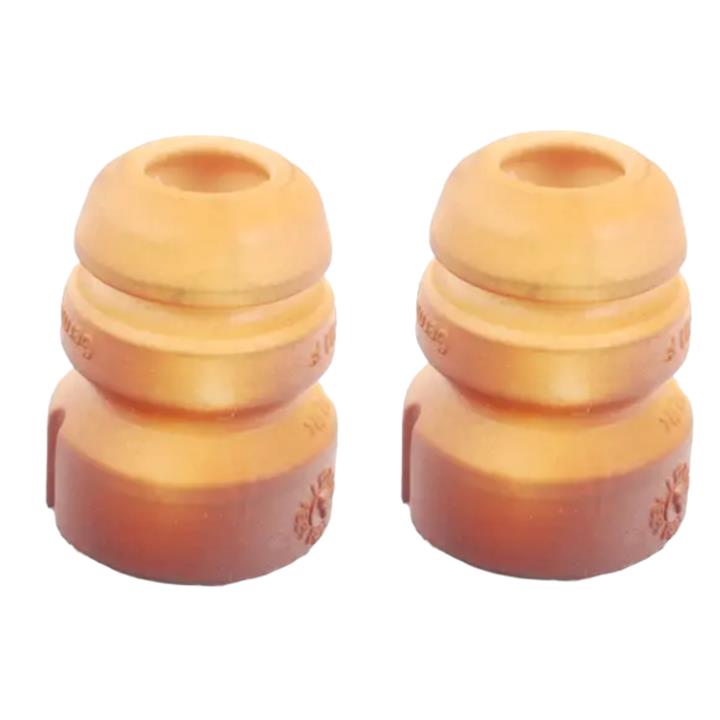
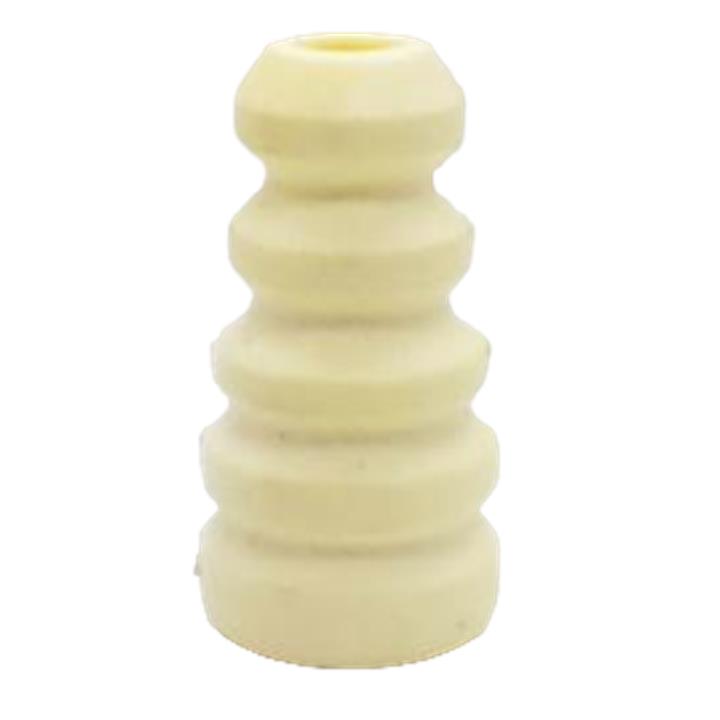
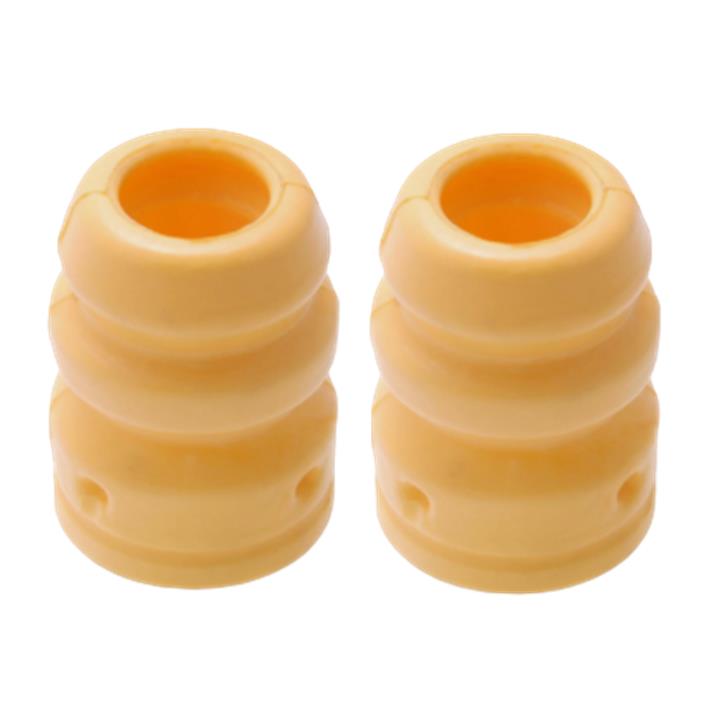
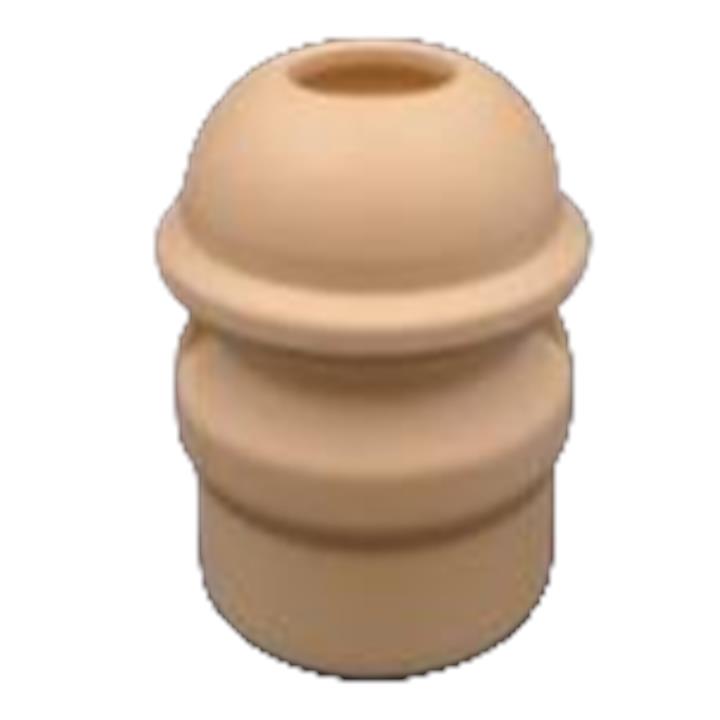
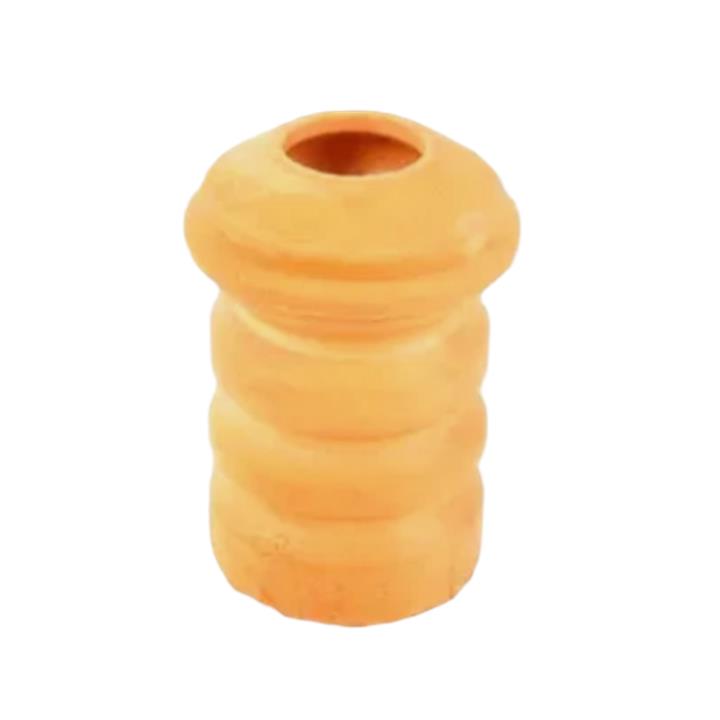
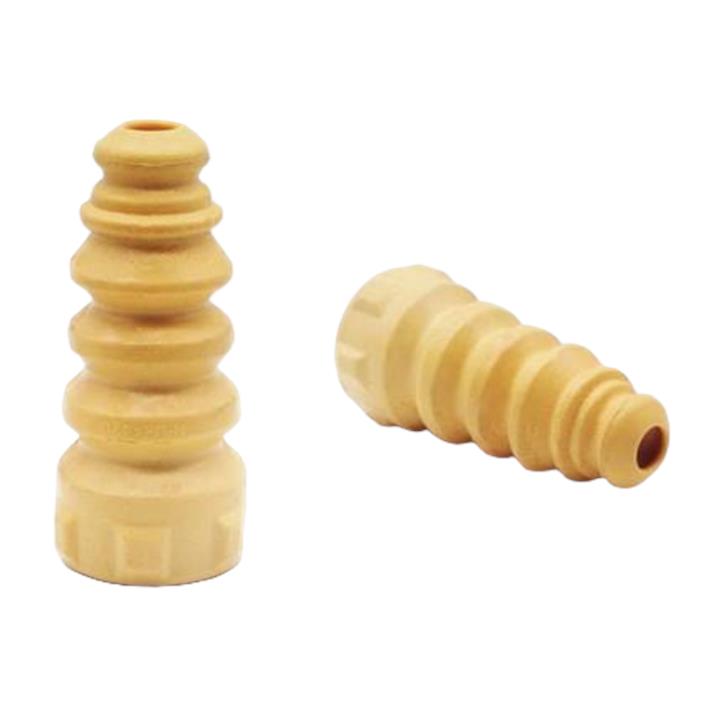
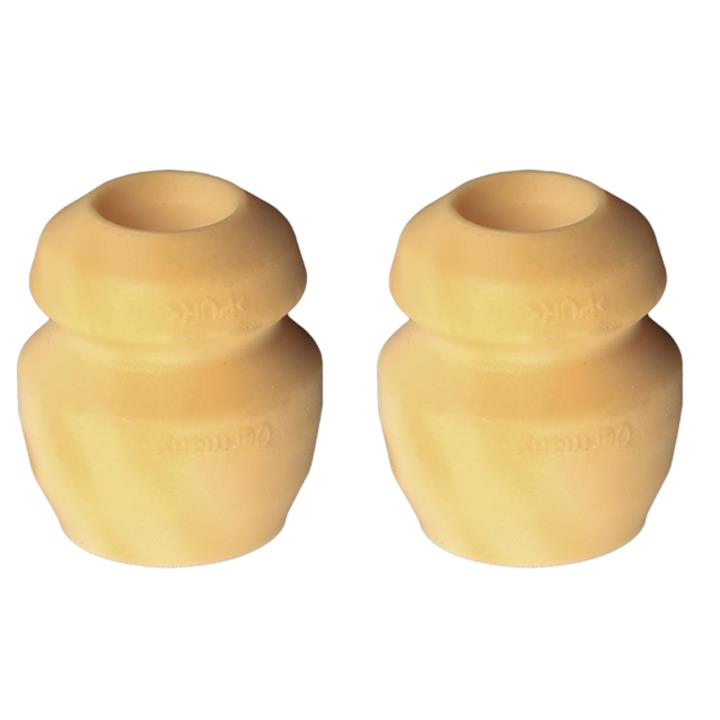
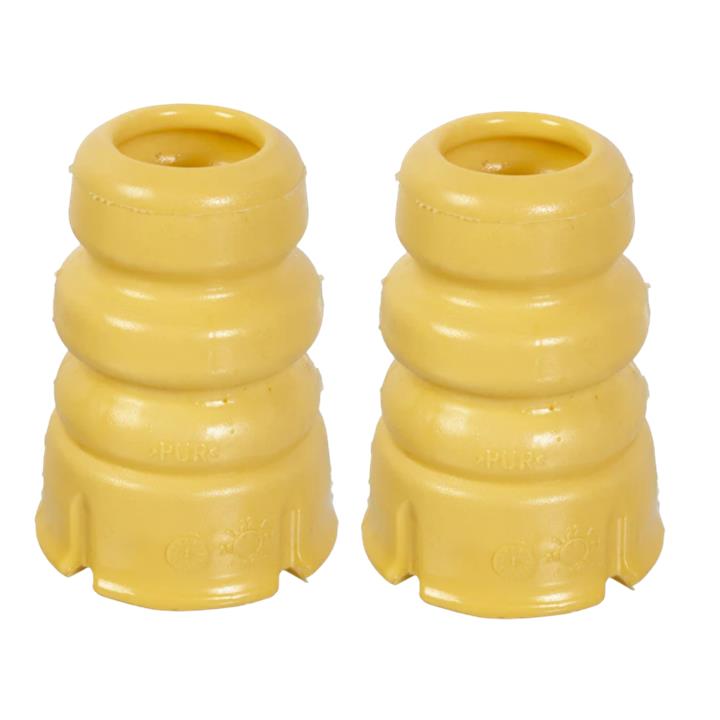
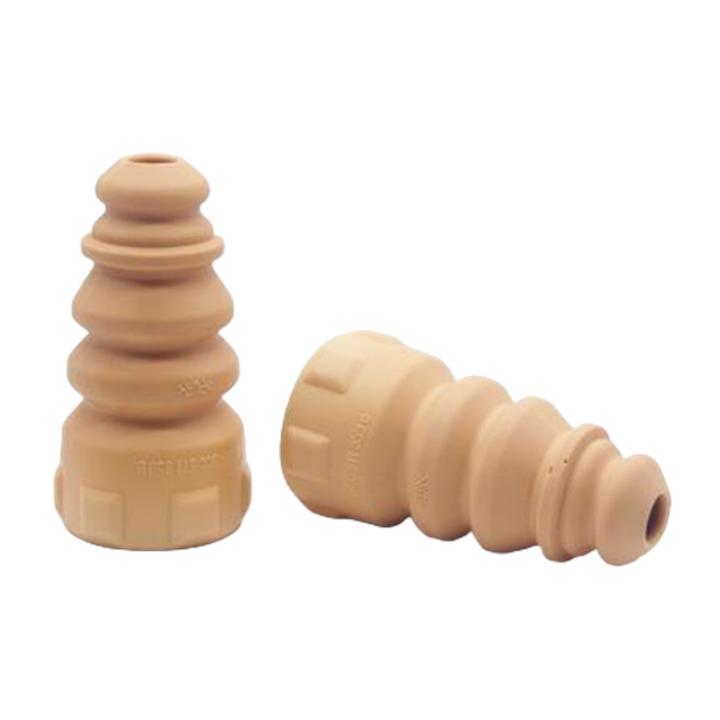
The OE 20371-FG000 is the rear suspension helper bumper, or jounce bumper, that Subaru fits to the rear dampers of the Forester and Impreza built from 2008 onwards. The factory catalogue describes it as a Bumper, Helper, Rear: a slim elastomer stop pressed onto the rear damper rod inside the coil spring, compressed only in the final part of suspension travel. This page presents Bonpora No. 4110154, a polyurethane replacement made in China for wholesale distribution, size Φ14.8 x Φ47 x 81 mm.
The rear suspension of the Forester and Impreza pairs each wheel with a coil spring and a separate telescopic damper, and the helper bumper sits on the damper rod between the spring seat and the top mount. When the rear axle compresses fully, over a deep pothole or a loaded cargo bay on a rough road, the strut runs out of travel and the bumper is progressively crushed. It absorbs the final part of the stroke and keeps the damper, its mount and the body from a harsh metal to metal impact.
Because it stands in the load path, the bumper is a wear item rather than a lifetime component. Elastomer hardens with age, takes a permanent set or crumbles, and a flattened bumper shortens the effective travel of the rear strut, so the rear end starts to thud and knock over sharp bumps, and feels harsher when the car is loaded. The part sits hidden under the dust boot, so it is normally inspected when a rear strut is removed, and workshops renew the left and right bumpers as a pair.
Genuine Subaru catalogues the part as a Bumper, Helper, Rear with part code 20371, and dealer data shows the quantity as two, one per rear damper. The number is written 20371-FG000, 20371FG000 or 20371 FG000, and independent catalogues describe the same item as a jounce bumper, a rubber buffer or a rear bump stop. Published equivalents include Febi Bilstein 178995 and Blue Print ADBP800369, both polyurethane buffers of about 81 mm length and 48 mm width, plus the KYB 910286 rear dust cover kit for the same damper.
Dealer fitment data lists the bumper for the Subaru Forester from 2009 to 2018 (SH and SJ generations) and the Subaru Impreza from 2008 to 2014 (GE, GH, GR and GV generations, including WRX and WRX STI). The FEBEST catalogue additionally applies the reference to the Legacy B14 series built from 2009, so buyers serving Legacy fleets should confirm it against the VIN. The part is rear axle only, one per side; the front struts use their own references, so confirm the axle position on every order.
| Model | Generation | Model Years | Engine Notes |
|---|---|---|---|
| Subaru Forester | SH / SJ | 2009-2018 | 2.0L and 2.5L H4, including XT turbo versions |
| Subaru Impreza | GE / GH | 2008-2011 | 2.5L H4, 2.5i, Outback Sport, 2.5 GT |
| Subaru Impreza WRX / WRX STI | GR / GV | 2008-2014 | 2.5L H4 turbo |
| Subaru Legacy (per FEBEST) | BM / BR (B14) | from 2009 | confirm by VIN before ordering |
| Parameter | Value |
|---|---|
| Product Name | Strut Bump Stop |
| Country of Origin | China |
| Bonpora Nos | 4110154 |
| OE | 20371-FG000 |
| Fitment | Subaru |
| Size | Φ14.8xΦ47x81 |
| Material | Polyurethane |
| Warranty | 1 Year |
| Delivery Time | 15-30 Days |
| Packaging | Neutral Export Packaging |
| Custom Service | OEM & Custom Design Support |
The size listing Φ14.8 x Φ47 x 81 mm describes a slim, tall bumper: about 14.8 mm at the internal bore that rides on the damper rod, roughly 47 mm across the body, and 81 mm in overall height. Aftermarket catalogues list the same reference at about 81 mm length and 48 mm width, which agrees. Bore and height matter most in service: too short a bumper lets the strut bottom out sooner and passes shock into the damper and its mount, while too tall a part removes usable travel and makes the ride harsh. Because catalogues do not always measure in the same state, check bore, outer diameter and height against the removed original before booking a container.
Polyurethane is specified ahead of plain rubber or soft foam because it holds its shape under repeated impact, resists oil, ozone, road salt and temperature cycling, and takes a permanent set more slowly. On an all wheel drive wagon that regularly carries a full load, the rear bumpers work hard, so material choice directly affects service life and warranty claims.
| Property | Polyurethane | Conventional Rubber |
|---|---|---|
| Compression set | Low; keeps working height after repeated impacts | Higher; flattens with age and load cycles |
| Oil and grease resistance | Good | Limited; swells and softens on exposure |
| Ozone and UV resistance | Good | Limited; surface cracking over time |
| Temperature behaviour | Stable across a wide range | Hardens in cold, softens in heat |
| Load consistency | Nominal rate holds between batches | Varies more with age and temperature |
| Typical role | Primary replacement line for export stock | Standard duty, price driven demand |
Rubber remains functional in mild climates and standard duty, while polyurethane keeps its working height longer under repeated compression, which decides how soon a loaded wagon starts to knock at the rear. For a mixed climate export range, stocking polyurethane as the primary line keeps the catalogue simple.
When the marking is still legible, ordering by OEM number is the most reliable route. The number appears as 20371-FG000, 20371FG000 or 20371 FG000, and all written forms identify one Bonpora reference, 4110154, so repeat buyers reorder a known specification without re-checking drawings, and one code covers the whole application range. For orders that span several vehicle families, the polyurethane bump stops range groups references by system and by vehicle model, which shortens the quotation process.
If the number has worn away, identify the bumper from the vehicle: make, model, model generation, model year, engine and axle position. On these platforms the rear bumper is the same across petrol and turbo versions of a generation, but neighbouring model families use different references, so generation and axle position must be confirmed together. A photograph beside a steel rule plus the VIN is the safest confirmation before a bulk order.
This bumper is manufactured in China for wholesale distribution. It runs as a catalogue item with existing tooling, with pricing structured for carton, pallet and container quantities. Typical buyers include workshops, repair chains, suspension and rubber importers in Europe, the Middle East, Southeast Asia, Latin America and Africa, and distributors serving the all wheel drive aftermarket. The chassis and suspension parts range from the same site covers dust boots, top mounts, coil springs and control arm bushes, so a container can be built around complete rear axle service kits.
Orders ship in neutral export packaging by default, ready for relabelling under the distributor brand. Delivery time is 15 to 30 days depending on volume, the warranty period is 1 year, and samples can be arranged before a bulk commitment to verify bore, height and hardness on a real vehicle.
Each production batch is checked for bore, outer diameter, overall height and material hardness, with visual inspection for flash, voids and surface defects. Dimensional records are kept per batch, so repeat orders match the approved sample. That traceability supports the 1 year warranty.
Beyond the catalogue part, the same line supports OEM and custom design work: tailored hardness, modified bore, outer diameter or height, coloured material, branded packaging and private label marking. Importers building a rear strut kit usually combine several references in one shipment to reduce freight per unit. For a custom project, send a drawing or a sample with the expected annual volume; a first article sample is supplied for fitment confirmation before production begins.
Replace the rear bump stop in pairs and inspect the dust boot, the top mount and the damper for oil misting at the same time. The rear strut must be removed and the coil spring compressed with a proper compressor. Clean the damper rod, slide the new bumper into place, check that it seats fully against its shoulder with the boot correctly located, and torque the fasteners to the figures given by the manufacturer.
A correctly fitted bumper should sit square on the rod; a part seated unevenly wears on one side and can generate noise within a short mileage. On vehicles that carry a full load regularly or run on rough roads, inspect the rear bumpers at every damper service.
Dealer fitment data covers the Forester from 2009 to 2018 (SH and SJ, 2.0 and 2.5 litre boxer engines including turbocharged XT versions) and the Impreza from 2008 to 2014 (GE, GH, GR and GV, including the 2.5i, Outback Sport, 2.5 GT, WRX and WRX STI). The FEBEST catalogue also lists the Legacy B14 series built from 2009. The part fits the rear axle only, one piece per side, so a complete car needs two. Confirm by generation, model year and axle position, or send the VIN.
It is a rear axle part. The genuine description is Bumper, Helper, Rear, and the required quantity is two, one for each rear damper. The front struts of the same models use separate references with different dimensions, so front and rear bumpers must never be mixed on one order.
Typical signs are a hollow thud or clunk from the rear over sharp bumps, a rear end that feels harsher than before when loaded, and knocking over dips and speed tables. The bumper sits under the dust boot inside the coil spring, so it is usually inspected when a rear strut is removed. Visible flattening, cracking, crumbling material, or a bumper off the rod all indicate replacement is due, and split or hardened dust boots should be renewed at the same time.
Yes. OEM and custom design support is available, including adjusted hardness, modified bore, outer diameter or height, coloured material and private label packaging. Delivery time is typically 15 to 30 days depending on quantity, packaging is neutral export with branded options on request, and the warranty period is 1 year. Send a drawing or a sample with the target annual volume to receive a quotation and a sampling schedule.
Send the OEM number 20371-FG000, the Bonpora number 4110154, the quantity and the destination port, and the sales team will confirm specification, packing and delivery schedule. Buyers comparing several sources can review the full auto parts line, which covers suspension, steering and rubber components from the same factory.