sales@bonporaparts.com
0086-10-64988621
English
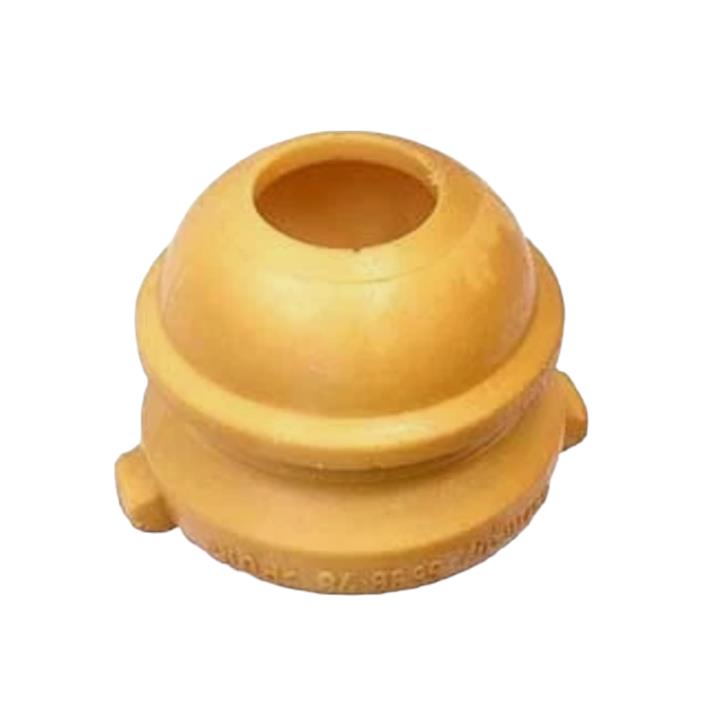
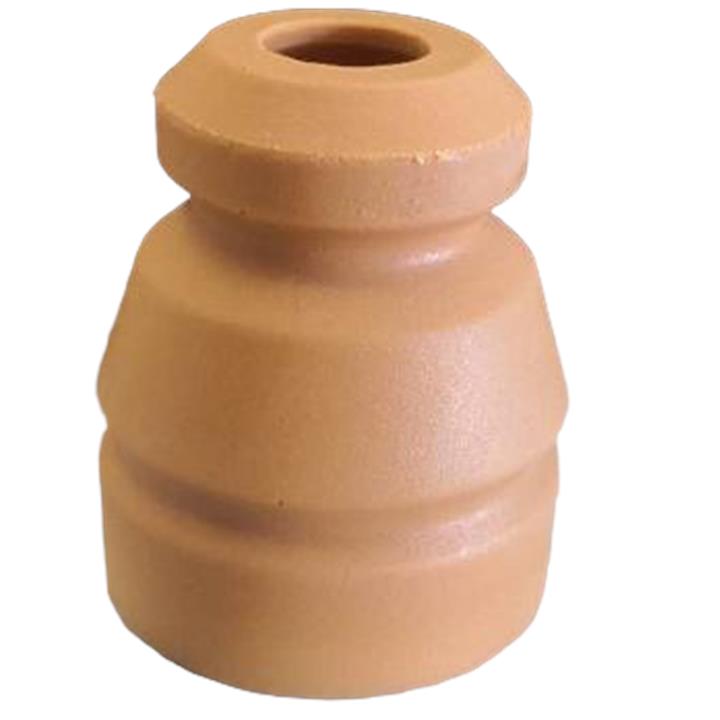
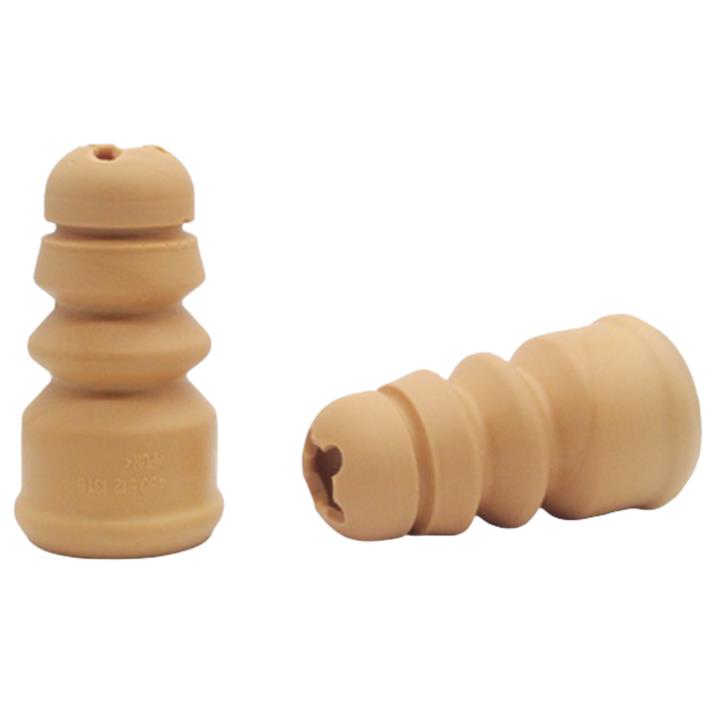
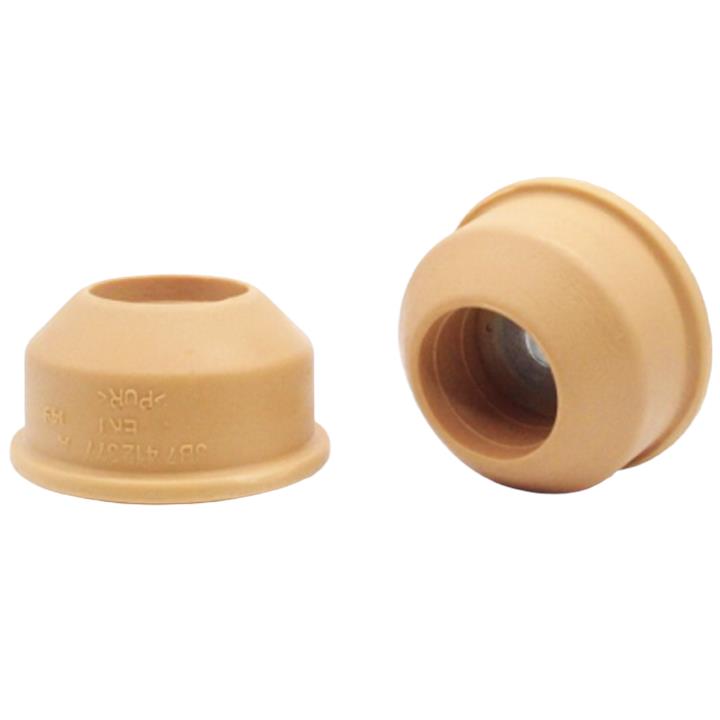
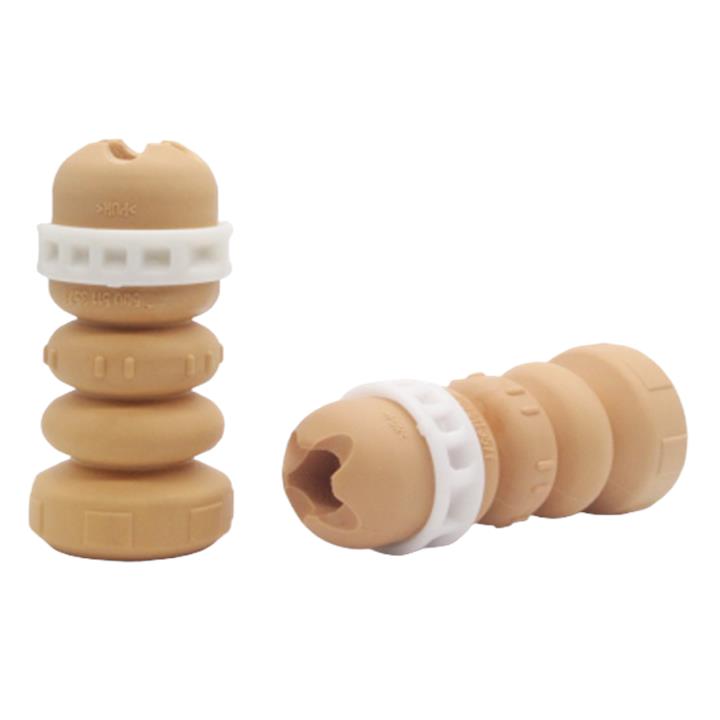
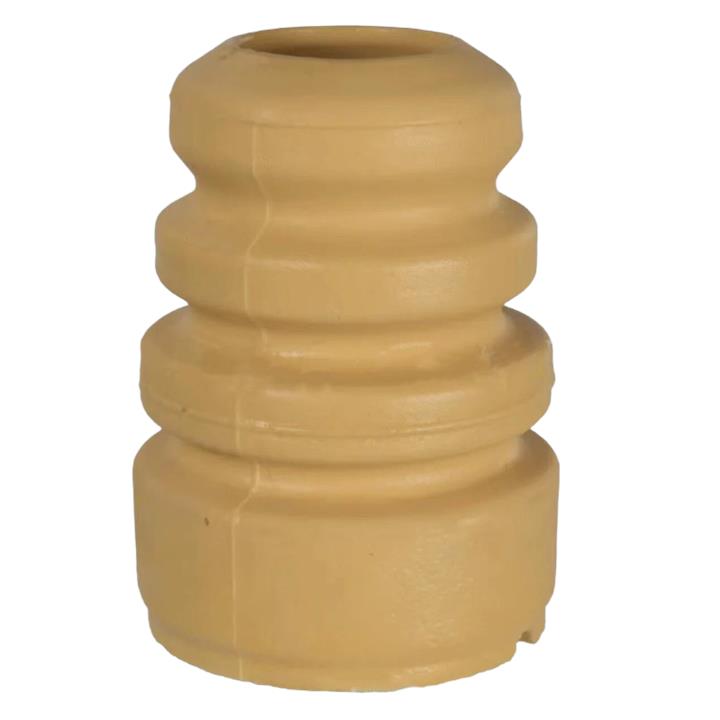
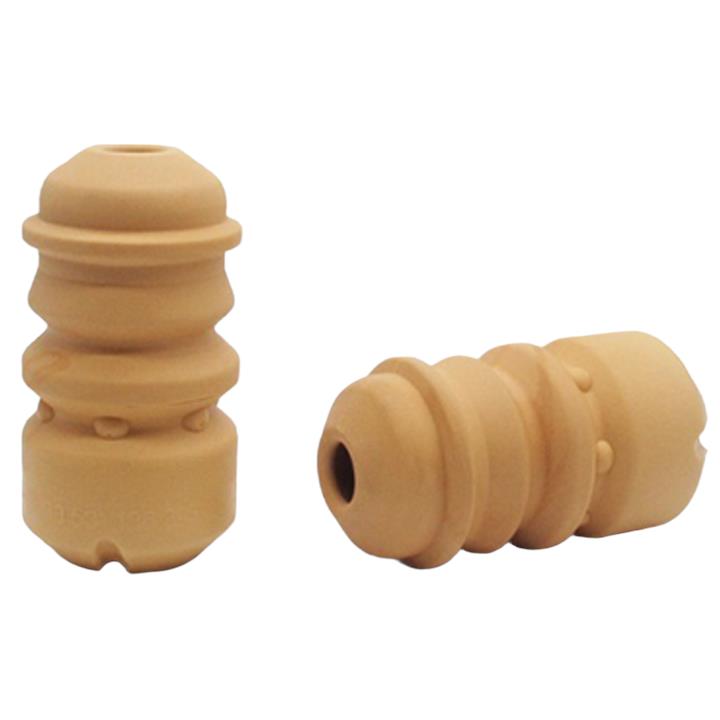
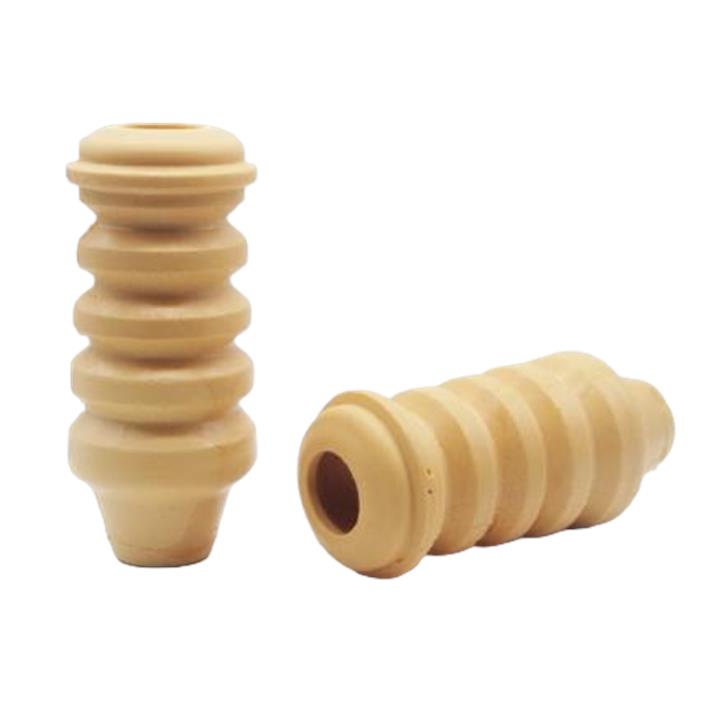
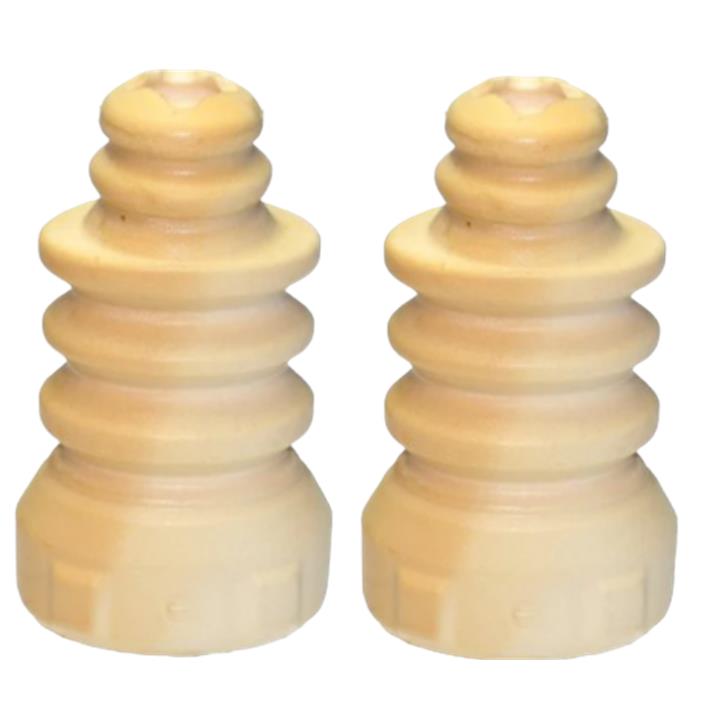
The strut bump stop MB-809285 is a rear suspension rubber buffer used across a long list of Mitsubishi and Chrysler-badged compact cars built between the early 1990s and the mid-2000s. Its job is simple and mechanical: when the rear suspension compresses to the end of its travel, this bumper takes the hit so the shock absorber, the coil spring and the body mount do not. Buyers searching this number are usually supporting Mirage, Lancer, Colt, Carisma, Space Star or FTO platforms that are still on the road in Africa, the Middle East, South America and Southeast Asia, where keeping an older compact car in service is normal and economical.
This page covers the part from a sourcing point of view: what the bumper does, how to confirm it fits your chassis, what a practical specification looks like, which part numbers it is commonly cross-referenced against, and how to buy it in wholesale quantities from a Chinese suspension parts factory. If you already hold the number MB809285 or the Chrysler equivalent, the sections below are written for you.
In Mitsubishi dealer catalogues this item appears under several interchangeable descriptions: Bumper, Strut Bumper, Damper, and Rear Shock Absorber. In aftermarket catalogues the same part is described as a rubber buffer, a suspension buffer or a jounce bumper. All of these point to the same component — a resilient urethane or rubber pad that sits on the rear shock rod, inside the coil spring, and acts as the last line of defence in the suspension travel.
Two features of MB809285 matter for procurement. First, it is fitted on both sides of the vehicle, left and right, and the part is identical for both — so a rear axle service normally consumes two pieces per car. Second, it is a rear axle component. It is not interchangeable with the front strut bump stop on the same vehicle, and confusing front and rear bumpers is one of the most common ordering mistakes in this family.
The bumper mounts on the rear shock absorber shaft, below the dust cover and above the shock body. In a fully assembled rear strut you will typically find the shock absorber, the coil spring, the upper spring insulator, the dust shield, the cup that retains the bumper, and the bumper itself. MB809285 is that last item. When the car is loaded heavily or hits a compression, the bumper contacts the shock body or the mounting cup and absorbs energy progressively rather than allowing metal to meet metal.
Because of that role, a bumper that has hardened, cracked or disappeared changes how the car behaves. Drivers report a sharp knock over speed bumps, a harsher rear ride and, in worse cases, cracked shock mounts. Replacing the bumper is a low-cost intervention that protects considerably more expensive parts.
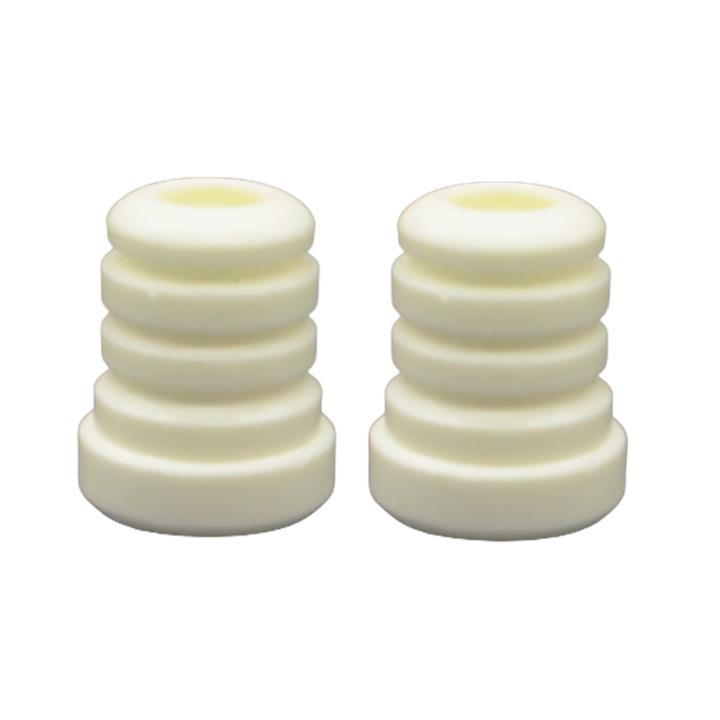
The original part is a rubber-based buffer. A polyurethane (PU) version is a practical upgrade for export markets, because PU holds its shape better under repeated compression and is less affected by ozone, road salt, oil and heat ageing. The table below compares the two materials as they apply to a rear jounce bumper.
| Property | Rubber (typical OE material) | Polyurethane (PU) |
|---|---|---|
| Compression behaviour | Progressive, softens as it ages | Progressive, retains rate longer |
| Ageing and ozone resistance | Degrades with time and UV | Generally more stable in service |
| Oil and grease contact | Swells in some fluids | Better resistance to common fluids |
| Load capacity for the same size | Lower | Higher, allows a more compact bumper |
| Typical service life in hot climates | Shorter | Longer |
| Cost at comparable volume | Lower | Slightly higher |
Neither material is universally better. For a fleet running on poor roads in a hot climate, PU usually outlasts rubber. For a concours restoration where exact original feel matters, a rubber compound may be preferred. We produce both and can match whichever you specify.
The table below records the parameters held for this part in our catalogue. Where a dimension is not listed, treat it as an item to be confirmed against your drawing or a sample rather than assuming a value.
| Parameter | Value |
|---|---|
| Product name | Strut Bump Stop |
| OE reference | MB-809285 (also written MB809285) |
| Bonpora No. | 4110089 |
| Fitting position | Rear axle |
| Left / right | Identical part, both sides |
| Quantity per vehicle | 2 |
| Material | Polyurethane |
| Vehicle brand coverage | Mitsubishi, Chrysler |
| Country of origin | China |
| Warranty | 1 year |
| Delivery time | 15-30 days |
| Packaging | Neutral export packaging |
| Custom service | OEM and custom design support |
Because this is a press-fit rubber part rather than a machined component, dimensions are best confirmed by measuring a physical sample. If you send us a used MB809285, or a drawing from your own engineering file, we will match the bore diameter, the overall length, the flange diameter and the compound hardness to it before tooling or production.
MB809285 is not a single-model part. It is a shared rear bumper that appears across several Mitsubishi platforms and their Chrysler-badged equivalents. The table below summarises the applications most commonly recorded in dealer and aftermarket catalogues.
| Platform / model | Notes |
|---|---|
| Mitsubishi Mirage (US, 1993-2002) | Rear strut bumper, left and right |
| Mitsubishi Lancer (early generations) | Rear suspension buffer |
| Mitsubishi Colt / Lancer CA, CB, CD, CJ | Rear suspension buffer |
| Mitsubishi Carisma (DA) | European market sedan and hatch |
| Mitsubishi Space Star (DG) | European market MPV |
| Mitsubishi FTO (DE2A, DE3A) | Rear suspension buffer |
| Chrysler-badged Colt and Carisma variants | Same bumper under a Chrysler part reference |
Two cautions belong with this table. First, the ranges are indicative, not a promise: within one model line, the bumper can change with suspension type, model year and market. Second, several catalogue entries refer to the same physical part under a Chrysler number, which is why searching the Mitsubishi number alone can make the part look rarer than it is.
A ninety-second check avoids almost all return problems. Read the OE number moulded or printed on the old bumper and compare it with MB809285. If the number is unreadable, measure the old part. If neither is possible, supply the full chassis number (VIN) so the application can be verified against the catalogue for your exact build, and tell us whether the car has standard suspension or an uprated package.
The suspension variant question matters. In this family, catalogue listings repeatedly add qualifiers such as "without special ride package" and "without special suspension." A car fitted with an uprated or sports suspension may use a different bumper and different internal strut parts. Always state the trim level when you enquire.
No. Front and rear bump stops sit at different heights inside different strut assemblies and use different mounting details. The same rule applies across the whole Bonpora strut bump stop range: the number identifies both the material and the position. If you need the front part for one of these cars, describe the front strut and we will quote the matching number separately.
Buyers holding an aftermarket or competitor number often need to confirm equivalence before quoting. The table below lists references that catalogues associate with this application. These are provided as cross-reference guidance only and do not imply any affiliation with the brands named.
| Reference type | Number |
|---|---|
| Mitsubishi OE | MB809285 |
| Chrysler OE (badge variant) | MB809285 |
| FEBEST rear jounce bumper | MD-CKR |
| EAN associated with MD-CKR | 4056111015507 |
| Adjacent rear strut part (dust shield) | MB809284 |
| Adjacent rear strut part (cup) | MB809281 |
| Adjacent rear strut part (upper spring insulator) | MB809280 |
| Adjacent rear strut part (shock absorber) | MR403040 (application dependent) |
Two practical points arise from this list. The dust shield MB809284 is a separate item, not part of the bumper, and it is frequently worn at the same time — most rebuild jobs order both. And the rear shock absorber number varies by model year and trim, so a shock number should never be used as the primary identifier for the bumper.
For distributors, rebuilders and workshops, the commercial case for this number is straightforward. The vehicles it serves are numerous, old enough to need suspension work, and concentrated in markets where owners repair rather than replace. That produces steady, repeatable demand in small but frequent batches rather than a single large order.
We supply MB-809285 as a polyurethane bump stop with neutral export packaging, a one-year warranty and a 15-30 day production window. Mixed cartons, consolidated shipments and private-label cartons are all workable. If you carry a broader range, the bumper can be combined with other shock absorber parts and chassis and suspension components in a single container, which is usually how buyers in this segment reduce landed cost per unit.
Because the bumper is a moulded rubber or PU part, customisation is limited to compound, hardness and colour rather than to shape. Within those limits we can produce to your drawing, add your part number to the mould, adjust the hardness to suit a specific load case, and supply the material and dimensional records you need for your own quality file. Buyers who want a private-label programme should start from the custom parts channel and send a sample with the enquiry.
A useful enquiry contains five items: the OE number, a photograph of the old bumper showing its full profile, at least two dimensions (bore and overall length), the quantity split by carton or pallet, and the destination port. With those five items we can confirm the correct part, quote a firm price and give a realistic delivery date without a round of clarification emails.
Yes. The two spellings refer to the same Mitsubishi part number. Some catalogues and invoices insert a hyphen after the MB prefix, others do not. When ordering, either form is acceptable, but quote it exactly as it appears on your own documentation so that our confirmation matches your purchase record.
Two. The bumper fits the rear axle and is used on both the left and the right side of the vehicle, and the same part is used on each side. A complete rear axle refresh therefore consumes two bumpers, and most rebuilders also order two dust shields at the same time.
Not necessarily. Standard Mirage and Lancer rear struts use the MB809285 family, but Evolution models and cars with an uprated suspension package use different internal strut components and can take a different bumper. Provide the VIN or the OE number from the old part before ordering for any Evolution or performance variant.
Yes. The original part is a rubber buffer and we can mould to a rubber compound if you need to match original characteristics. Polyurethane is our standard offer for this number because it typically lasts longer in hot, dusty and high-load conditions. Tell us which compound you want when you request the quotation.
Send us the OE number MB809285, the quantity you need and your destination port, and we will confirm the specification, the unit price and the production schedule. If your enquiry covers a suspension rebuild programme rather than a single part, include the full list of rear strut components and we will quote it as one package, with the fitment cross-checked against your chassis numbers before production begins.