sales@bonporaparts.com
0086-10-64988621
English
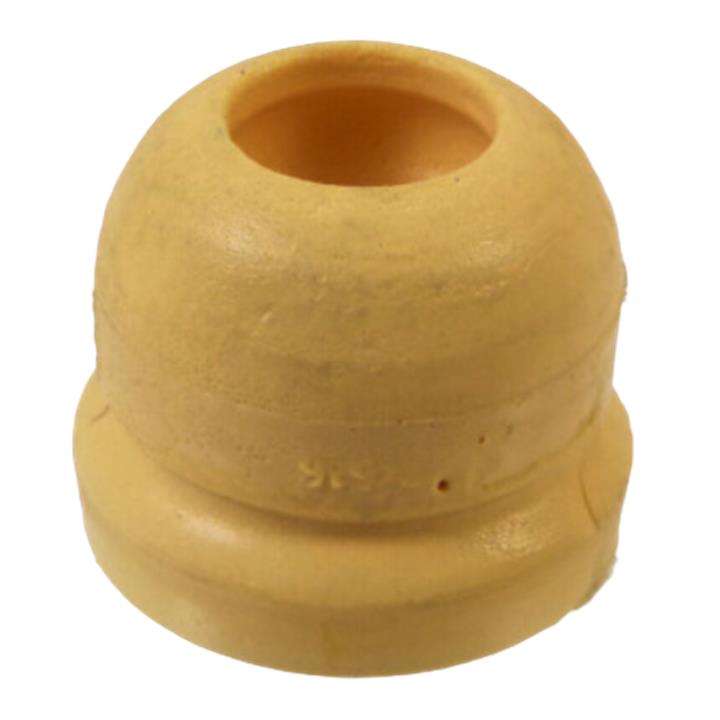
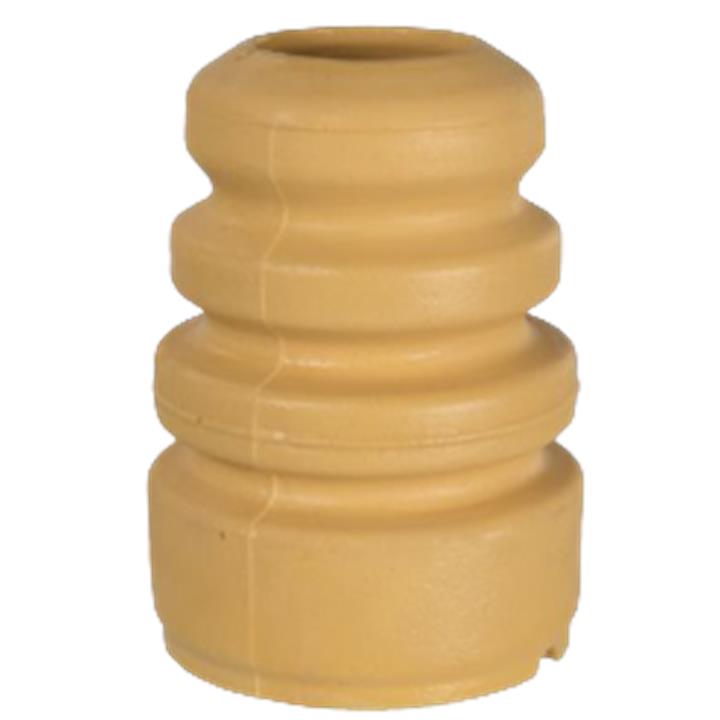
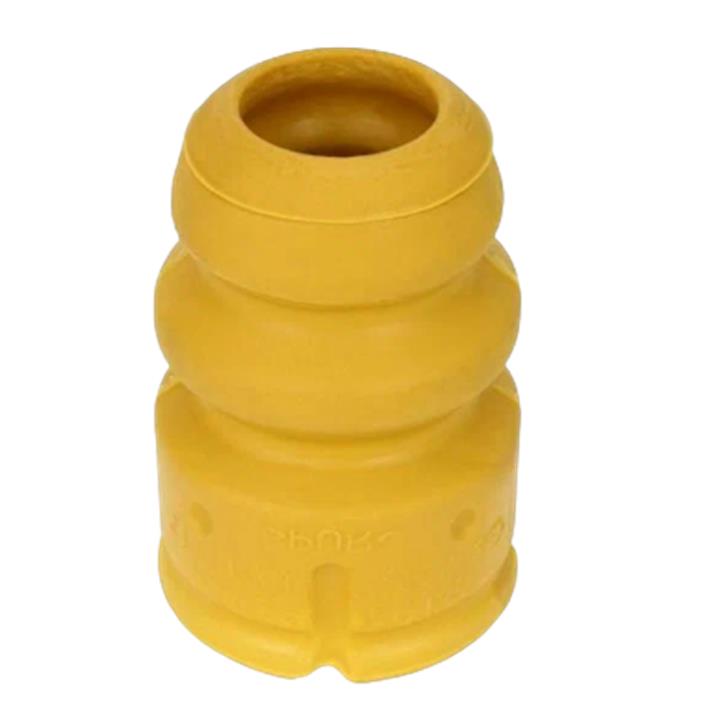
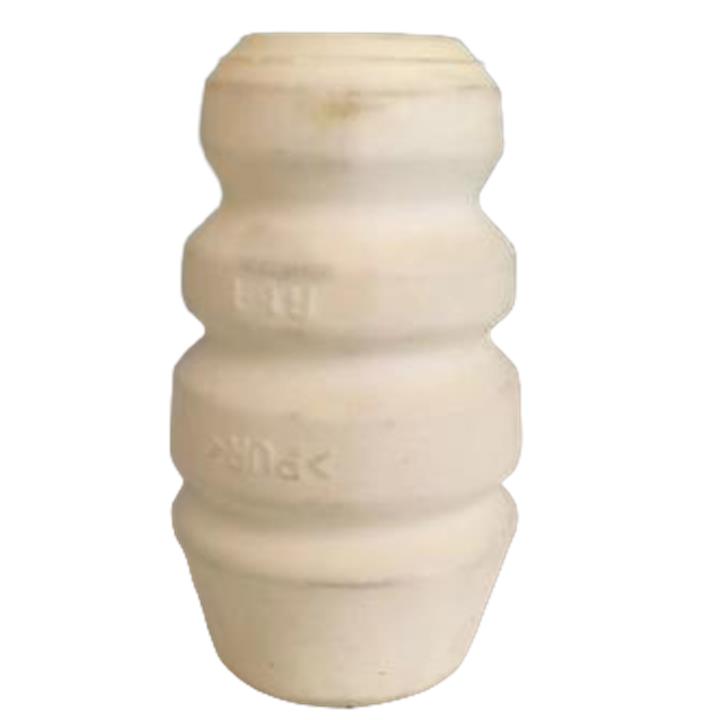
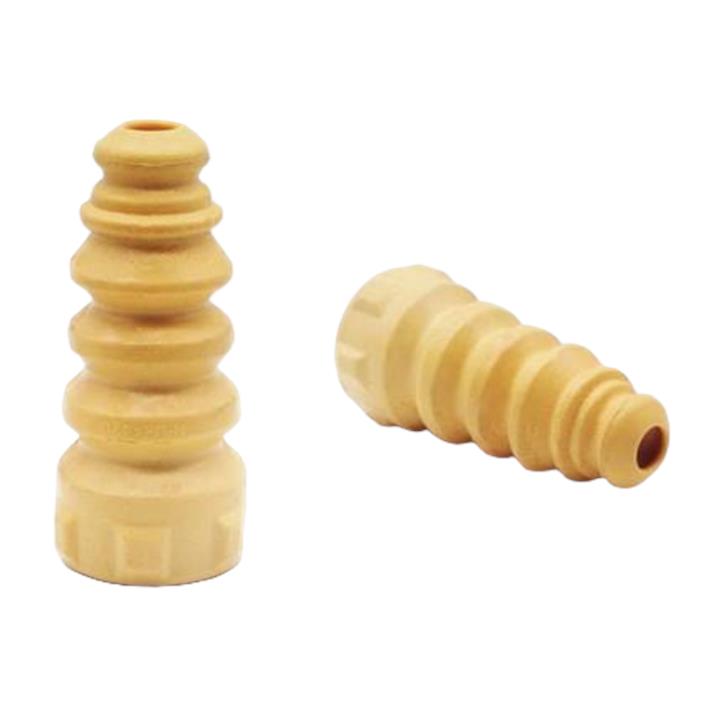
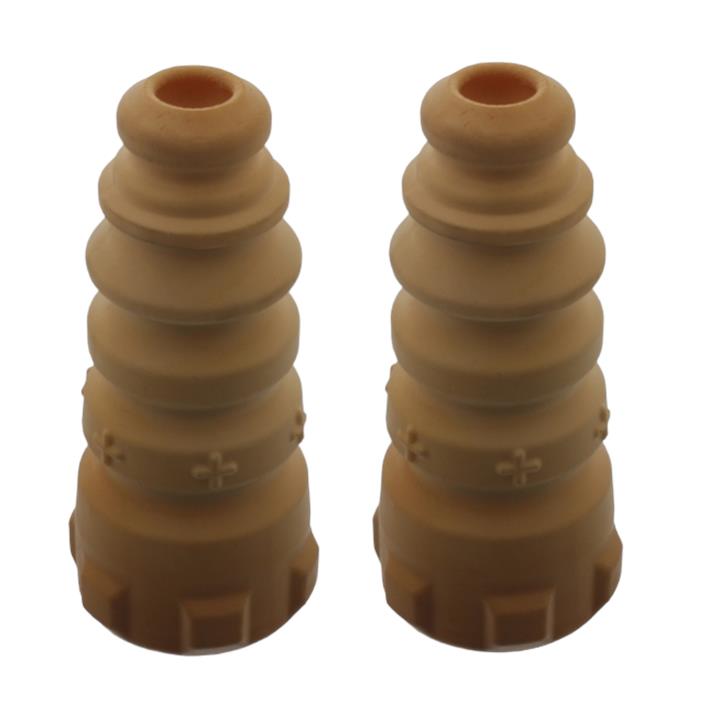
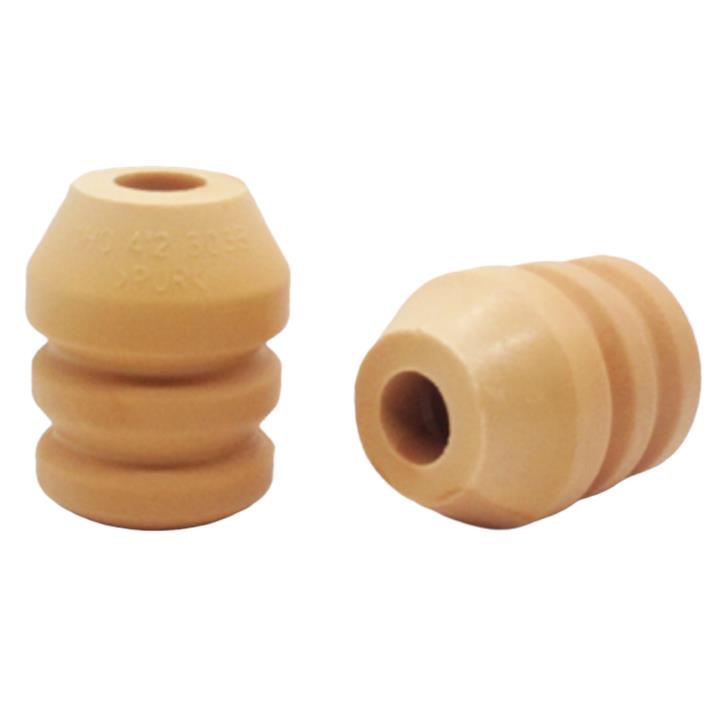
The strut bump stop catalogued under OE number 51722-SWA-A01 belongs to the jounce-bumper family fitted to the Honda CR-V third generation — the SWA-series SUV produced from 2007 and sold in most markets through 2011. This page describes the part as supplied by Bonpora (number 4110245), a China-based auto parts factory producing polyurethane bump stops as original and replacement parts for the independent aftermarket, and sets out the specification, fitment, and sourcing information wholesale buyers normally request before ordering.
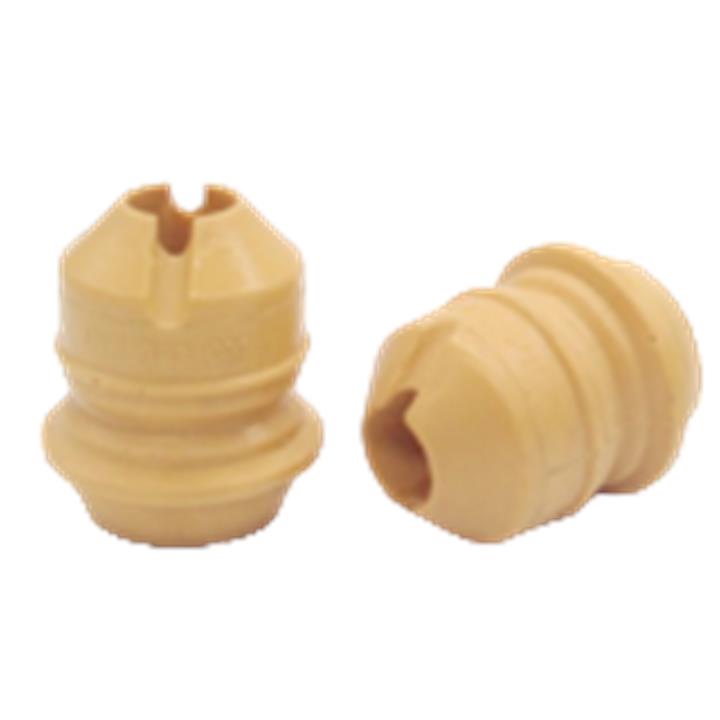
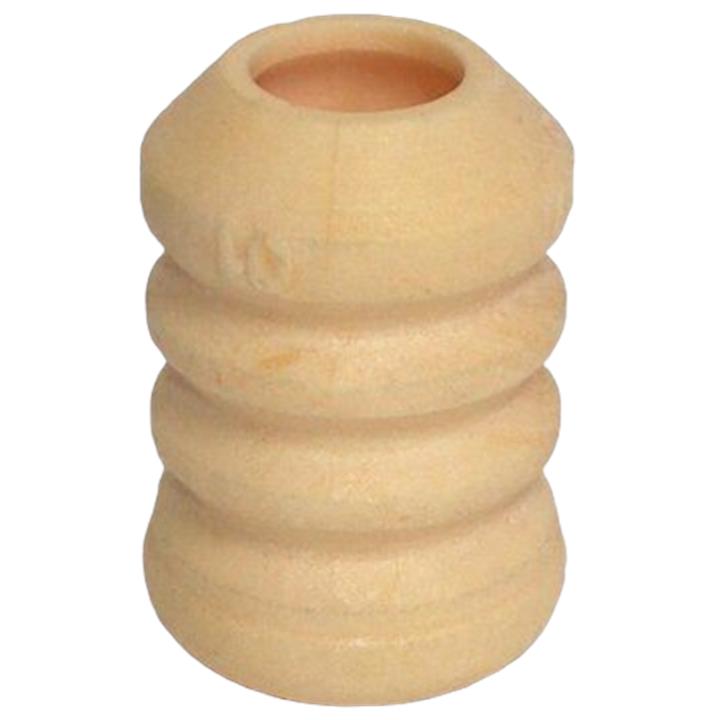
Also sold under the names jounce bumper, bump stopper, and spring bumper, the part is a moulded elastomer unit fitted inside the strut assembly. During normal driving it hangs clear of its engagement surface. Under a hard compression event — a pothole, a speed bump, a fully loaded vehicle — it engages progressively and converts what would otherwise be a metal-to-metal impact into controlled resistance.
Elastomer parts age whether the vehicle is driven or parked. Heat, ozone, road salt, and repeated compression cycles harden the material until it cracks and loses its progressive response, after which the damper bottoms out and damage spreads to the dust cover and top mount. CR-V models from the SWA era have been in daily service for well over a decade, so original stops have usually hardened long ago, and the component belongs in every suspension service job on these vehicles. For the wider suspension range, see our auto parts catalogue.
Within the Honda parts system, references carrying the SWA code belong to the CR-V third generation (model codes RE1–RE7, 2007–2011). The jounce-bumper family for these vehicles covers both axles: the front-axle stop is catalogued under 51722-SWA-A02 and its successor 51722-SWE-T01, while the rear-axle companion reference carries 52722-SWA-A01. The 51722-SWA-A01 reference described here sits in the same SWA bumper family as an early-series item, so treat the table below together with a dimensional check against the removed part — the reliable way to confirm substitution across A-series revisions.
| Parameter | Value |
|---|---|
| Product name | Strut Bump Stop |
| OE number | 51722-SWA-A01 |
| Bonpora no. | 4110245 |
| Fitment | Honda CR-V (SWA / RE platform) |
| Dimensions | Φ12 x 40.8 x 49.3 mm |
| Material | Polyurethane |
| Country of origin | China |
| Warranty | 1 year |
| Delivery time | 15–30 days |
| Packaging | Neutral export packaging |
| Custom service | OEM & custom design support |
Φ12 mm is the inner bore that slides onto the damper rod, 40.8 mm is the outer diameter of the elastomer body, and 49.3 mm is the free length. European aftermarket catalogues list equivalents for the SWA front reference with different figures, a height around 95 mm with a larger bore, because the stop was revised through the supersession chain; the figures measured on the removed part remain the deciding check before any substitution is approved. A taller stop makes the ride firm, while a shorter one lets the strut knock over sharp bumps.
Polyurethane suits this duty cycle well. Compared with conventional rubber it resists tearing and oil exposure better, holds its mechanical properties across a wider temperature range, and can be moulded to a controlled hardness so the compression curve stays progressive rather than abrupt. The material also suits vehicles that stand still for weeks at a time, because parked elastomer is attacked by ozone and goes brittle first at the surface — a common pattern on CR-V vehicles still running as family transport and taxi fleets.
The SWA chassis code covers the CR-V third generation (RE1–RE7) sold from 2007 to 2011, with the 2.0 R20A and 2.4 K24Z1 petrol engines and the 2.2 i-CTDi and later i-DTEC diesel engines, in both 2WD and 4WD drivelines. Aftermarket catalogues handling the successor reference extend coverage to the CR-V fourth generation (RM_, 2012–2016), and several suppliers group the same bumper family with the Accord reference 51722-T1G-E01 and the Pilot reference 51722-T3V-A01, which share the same engagement hardware. Because the SWA family contains front and rear references with similar naming, axle position should always be confirmed against the removed part or the vehicle identification number rather than the badge alone.
Demand behind this reference comes from two buyer groups: wholesalers covering the independent aftermarket in regions where SWA-era CR-V vehicles still run in daily service, and fleet or taxi operators who keep older Hondas on the road and need predictable wear-part supply. Both are served from the same tooling and quality system, which is what makes factory-direct supply attractive in this category.
When comparing quotations for a polyurethane stop, ask the supplier for the material grade and Shore A hardness, a dimensional inspection report covering bore, outer diameter, and free length, and evidence of batch-to-batch hardness consistency, since elastomer properties are sensitive to cure conditions. A factory answering those questions with documents, rather than promises, is normally the safer partner for repeat programmes.
A factory with OEM and custom design capability can produce stops to a customer drawing or sample, including non-standard bore sizes, alternative hardness grades, and application-specific profiles — useful for private-label ranges as well as vehicles with modified ride heights. Stocked references ship in wholesale quantities within 15–30 days in neutral export packaging, ready for relabelling or private-label cartons; new tooling is quoted against the drawing and an agreed annual volume. Our auto parts sourcing team can review drawings, samples, and cross-reference lists alongside catalogue items.
A worn bump stop is often discovered during damper replacement, but it can also be diagnosed from the driver seat before the vehicle goes on the lift.
On the catalogued applications the stop is fitted one per corner, and European practice is to replace the pair on an axle at the same time. Bump stops are normally renewed together with the related dust covers and top mounts, since all share the same access procedure and a similar service life, and the work is naturally done while the dampers are off. Support the suspension before releasing fasteners, torque the components at normal ride height, and compare the old part against the new item to confirm bore, diameter, and free length.
The SWA code identifies the CR-V third generation (model codes RE1–RE7, 2007–2011), across the 2.0 and 2.4 petrol and 2.2 diesel engines. Catalogues that carry the successor reference extend the family to the CR-V fourth generation (RM_, 2012–2016) and share it with the Accord and Pilot references noted above. Because running changes and regional naming vary, confirm the application with the vehicle identification number or the OE number on the removed part, and ask the factory for a written cross-reference list covering the models you service.
The references belong to the same SWA bumper family, and Honda progressed the front stop through the A02 revision to the 51722-SWE-T01 successor, but related numbers are not automatically interchangeable: revisions can change length, bore, or both. Treat the dimensions on the removed part as the deciding check, and ask the factory to confirm the substitution in writing before mixing references on one axle.
Minimum order quantities depend on whether the item is a stocked catalogue reference or a custom moulding. Stocked references ship from current stock; private-label or custom profiles are quoted against tooling and an annual volume agreed with the factory. Send the target models and annual quantity to receive terms that match your programme.
Quoted delivery is 15–30 days for stock-referenced items, with neutral export packaging prepared for sea or air freight. Confirm the shipping method and destination port when requesting the quotation so the terms match your planning.
If you are sourcing strut bump stops for Honda CR-V applications in wholesale quantities, or planning a private-label suspension programme under your own brand, send the OE number, target models, and annual volume. The factory can confirm availability, provide dimensional and material data, and quote on neutral export packaging or private-label terms.