sales@bonporaparts.com
0086-10-64988621
English
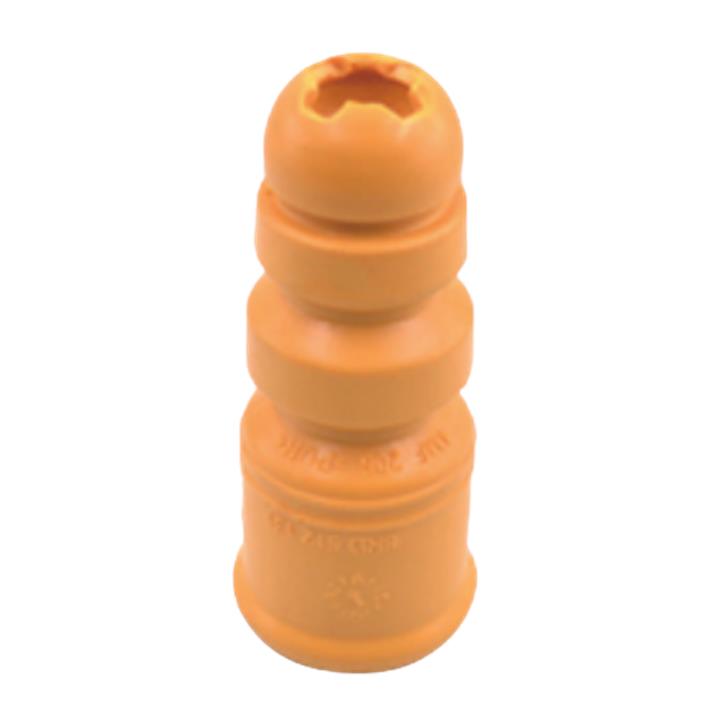
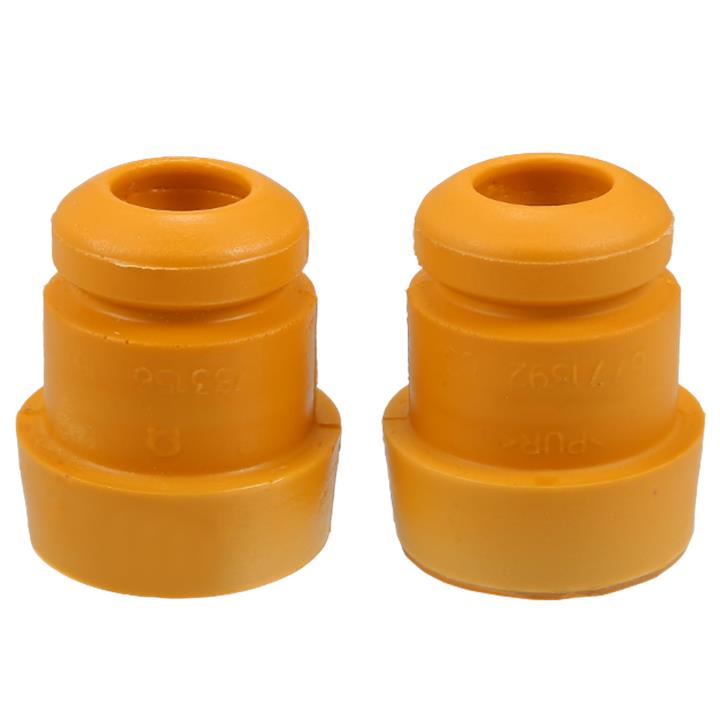
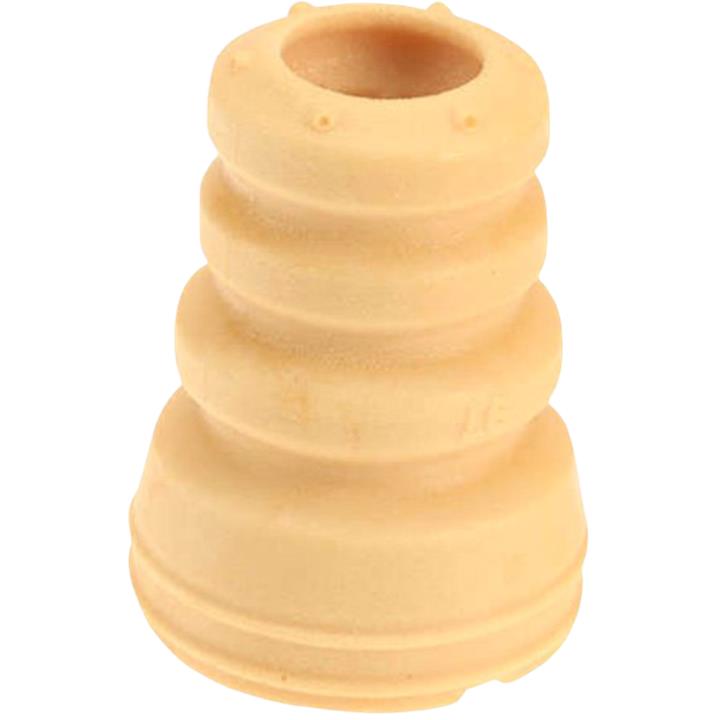
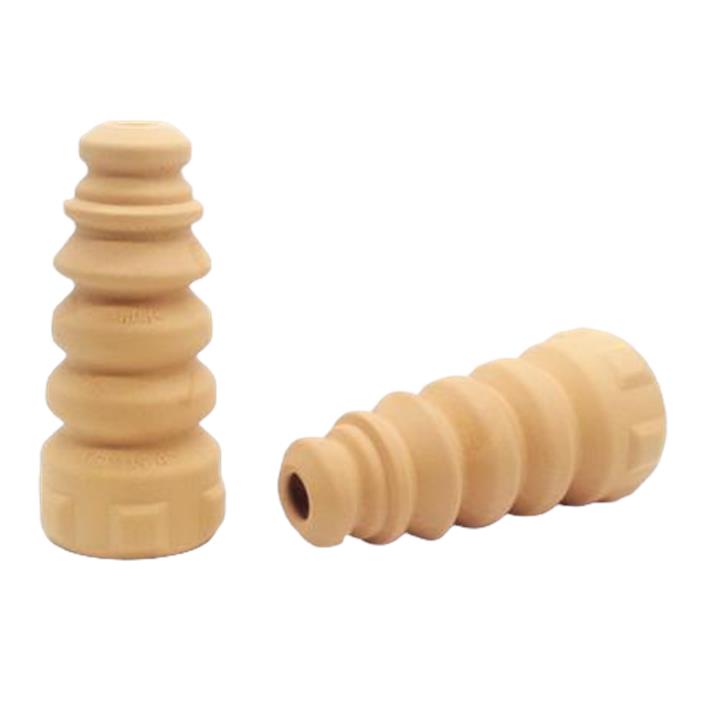
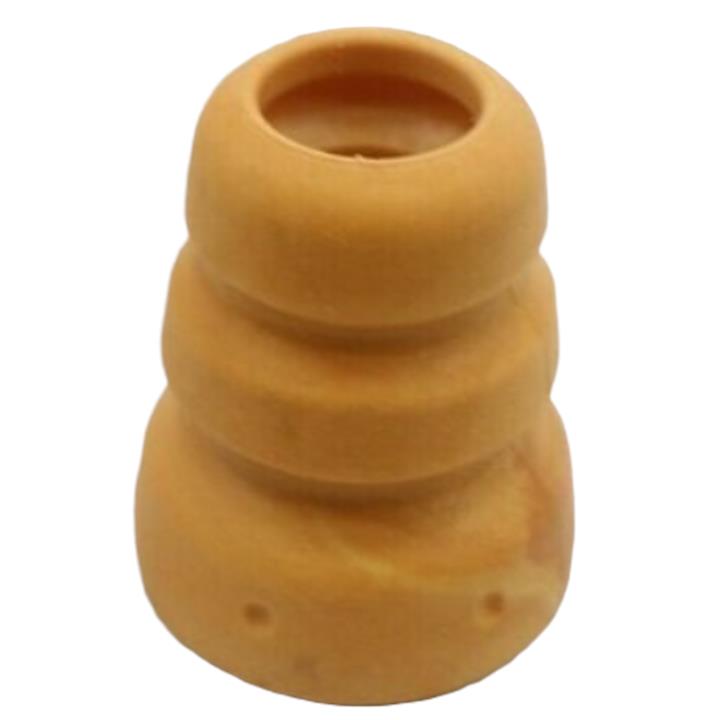
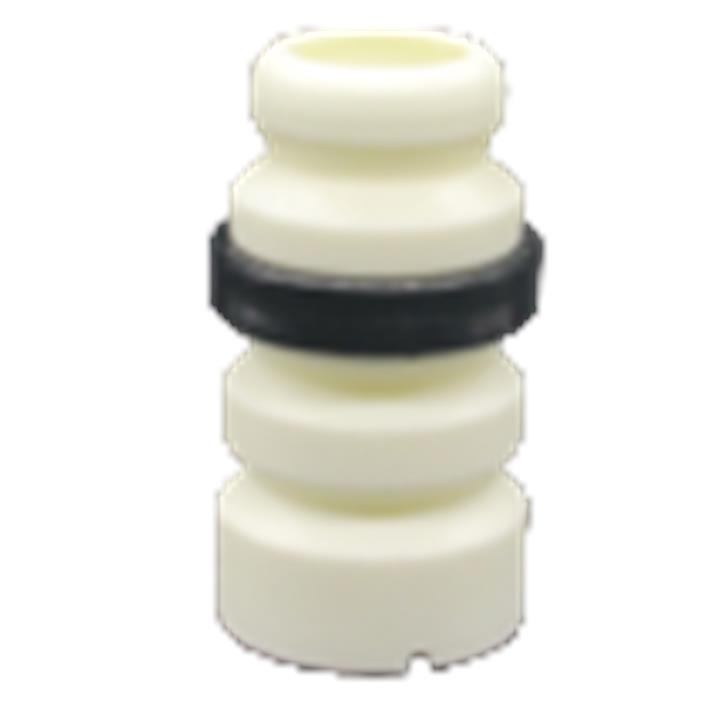
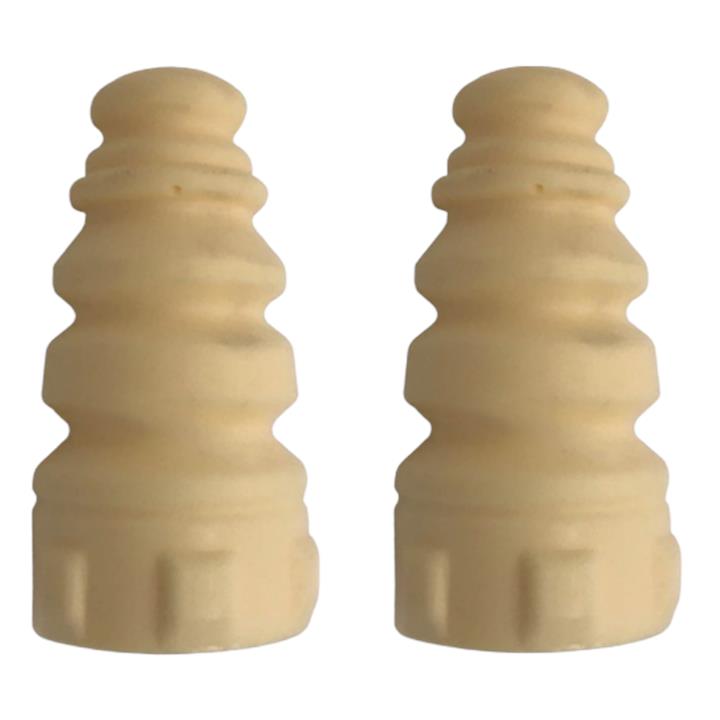
OE 54626-4H000 is a front strut bump stop, also listed in parts catalogues as a strut bumper, jounce bumper, absorber stopper or rubber buffer. It fits onto the front strut rod of a range of Hyundai and Kia models and limits suspension travel during the last part of the compression stroke, absorbing the impact before the damper reaches its internal stop.
This page sets out the specification we manufacture to, the Hyundai and Kia applications that use this number, the supersession and interchange references worth checking before you order, and the practical points buyers ask about most.
The bump stop is a cylindrical buffer that slides onto the piston rod of the front strut, under the dust boot and above the damper body. Under normal driving it stays clear of the top mount and plays no part in the ride. When the suspension compresses hard - a pothole, a speed hump taken quickly, a fully loaded van over a rough road - the bump stop contacts the top mount and becomes a secondary spring. Its job is to make that final travel progressive rather than a metal-to-metal hit.
Original equipment on this application is a moulded polyurethane buffer rather than a plain rubber block. Polyurethane holds its shape under repeated compression, resists oil and road salt, and does not take a permanent set as quickly as natural rubber. On vans and shuttle buses that run loaded every day, that difference shows up directly in service life.
A worn bump stop usually crumbles, splits at the base or flattens. Drivers notice a hard knock over bumps, a metal-on-metal noise from the front strut tower, and occasionally uneven tyre wear. Because the part is hidden inside the strut assembly, it is often only found when the strut is being replaced or the dust boot is inspected. Fleet workshops that service Korean vans on a fixed interval therefore tend to replace the bump stop together with the strut, which is where volume demand for this number comes from.
Our standard production line for this family of parts is described on the polyurethane bump stops page, including moulding process and hardness control.
| Parameter | Value |
|---|---|
| Product name | Strut bump stop (jounce bumper / front strut buffer) |
| OE number | 54626-4H000 |
| Bonpora reference | 4110093 |
| Outer dimensions | Φ21 x Φ57.7 x 80.6 mm |
| Material | Polyurethane |
| Country of origin | China |
| Warranty | 1 year |
| Delivery time | 15-30 days |
| Packaging | Neutral export packaging |
| Custom service | OEM and custom design support |
The three figures in the size line follow the usual convention for this part family: bore or inner diameter, body diameter, then overall height. If your drawing is dimensioned differently - height taken pre-compressed, or bore measured at the mounting shoulder - send it with your enquiry and we will confirm the matching tooling before quoting. Some aftermarket catalogues print a nominal length of about 87 mm for their own reference number on this fitment; measuring conventions differ between suppliers, so treat catalogue lengths as indicative and verify against the drawing or a physical sample.
Parts trade listings and the European aftermarket databases that carry a cross-reference to 54626-4H000 point to the following Hyundai families:
The same buffer is listed against several Kia models that share the platform and front strut layout:
This is the single most common mistake with this part number. 54626-4H000 is a front axle buffer, and the rear of the same vehicle uses a different moulding. Where a vehicle uses both, the front and rear buffers differ in both height and bore, so they are not interchangeable even though they look similar on a bench. If you are working from a workshop manual rather than a VIN, confirm the axle position as well as the number. The same caution applies to aftermarket cross-references: one catalogue entry can cover a whole vehicle family, so match on the axle position, not just the model name.
Because fitment data changes with facelifts and market-specific builds, we recommend a VIN-level check for the first order. Send us the VIN and the OE number together and we will confirm the application against our own records before shipping. Related strut and damper hardware is grouped on the shock absorber parts page if you are building a complete replacement kit.
Hyundai dealer catalogues show 54626-4H000 as the current number for this buffer, replacing 54626-4D000. In practice both numbers are quoted in the trade, and older stock may still be labelled with the earlier reference. If a customer asks for either, they are asking for the same physical part.
Independent aftermarket suppliers publish their own numbers against the same OE references. These are useful for cross-checking a request, but they are not the OE number and they are not a statement of equivalence between brands. The list below is given purely as a cross-reference aid:
| Reference type | Number |
|---|---|
| Hyundai OE (current) | 54626-4H000 |
| Hyundai OE (superseded) | 54626-4D000 |
| Additional OE references in cross tables | 54626-26000, 54626-2B000, 54626-2W000 |
| Aftermarket example | FEBEST HYD-SF (front axle) |
When you compare quotations for this part, compare the reference number, the measured dimensions and the material grade together. Two suppliers can quote the same OE number and still deliver buffers of different height or hardness, which is how a cheap-looking offer turns into a warranty claim on a fleet contract.
Most purchasing teams we work with arrive through one of five routes, and each needs a slightly different answer:
A written confirmation before production is worth insisting on. It removes the argument later about whether the sample you approved and the shipment you received are the same part.
| Property | Polyurethane buffer | Rubber buffer |
|---|---|---|
| Compression set after long load | Low - recovers shape | Higher - tends to flatten |
| Oil and grease resistance | Good | Moderate to poor |
| Load capacity for a given size | Higher | Lower |
| Behaviour over a wide temperature range | Stable in normal road use | Hardens when cold |
| Moulded detail and repeatability | Good - tight dimensional control | More batch variation |
Hardness is normally specified on the Shore A scale and is fixed per drawing. On a loaded van the wrong hardness is felt immediately: too soft and the buffer bottoms out, too hard and the driver picks up a harsh knock. If your workshop reports either symptom on a replacement part, hardness - not the OE number - is usually the variable to question first.
Bump stops are a practical part to bring in under your own brand, because the geometry is simple, the tooling cost is modest and the demand is steady. We support three routes:
Custom work usually starts from a sample rather than a specification sheet, so allow for an approval step. Details of the process and the information we need to quote are on the custom parts page.
Standard delivery on this part is 15 to 30 days from confirmation, and packaging is neutral export carton unless a branded programme is agreed. Two points are worth settling at the quotation stage rather than after:
Hyundai dealer catalogues list 54626-4D000 as the earlier reference and 54626-4H000 as its replacement. Treated as an application they are the same buffer, so either number can be supplied against the same requirement. Where your own system holds both, we suggest keeping one as the active code and the other as a cross-reference to avoid duplicate stock lines.
Front axle. The rear of the vehicles listed above uses a separate buffer with different dimensions. Both are described as a bump stop, so confirm the axle position when you place the order, particularly if the request came from a workshop rather than a parts system.
Yes, subject to the quantity. Changes to height, bore or hardness normally require new tooling or a revised compound, so there is a development step before production. Send your drawing and the expected order volume and we will confirm feasibility and lead time.
Carton configuration depends on the finished size and the packing method you prefer. Tell us the quantity you need, or the container type you plan to load, and we will come back with a packing plan showing cartons per pallet and pieces per container.
To move quickly, send four things: the OE number 54626-4H000, your required quantity, the vehicle model and axle position if the order is for a fleet, and any drawing or sample you already have. We will confirm dimensions, material and hardness in writing, quote the tooling position if custom work is involved, and give you a delivery date from order confirmation.
For reference purposes only: 54626-4H000, 54626-4D000, H-1, Grand Starex, iLoad, iMax, Santa Fe, Entourage, Carnival, Sorento and Sportage are trade names or vehicle designations belonging to their respective owners. They are used here to describe application only and do not imply any affiliation with or endorsement by those manufacturers.