sales@bonporaparts.com
0086-10-64988621
English
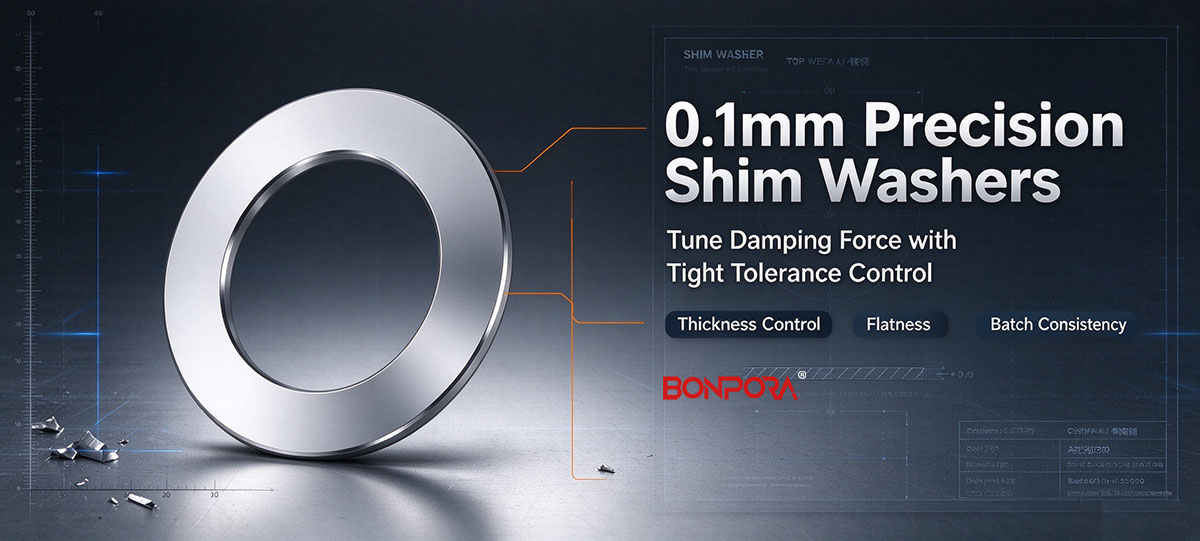
The valve system is the soul of chassis dynamic performance. A tiny fine adjustment of valve discs at the 0.1-millimeter level can completely reshape the balance between vehicle ride comfort and handling response. While suspension bushings, control arms and stabilizer links deliver basic connection and vibration isolation, the shock absorber valve stack directly governs how damping force builds up during compression and rebound.
For automotive OEMs, aftermarket distributors and suspension engineering procurement teams, understanding valve disc tuning is critical when sourcing shock absorber internal components. Bonpora manufactures full-series suspension and shock absorber spare parts, including polyurethane and rubber bushings, stabilizer links, strut bump stops and precision valve discs for shock absorber assemblies.
The shock absorber valve system consists of stacked thin valve discs, shims, springs and retainers assembled inside the piston rod. It controls oil flow rate inside the shock absorber. When the wheel hits bumps or corners, hydraulic oil passes through the gaps between valve discs, generating adjustable damping force.
Every subtle dimensional change alters damping characteristics. That is why engineers focus on 0.1mm tolerance control for valve discs. This micro-adjustment changes oil passage clearance, which changes damping curve immediately:
Thicker valve discs: Higher damping force, firmer handling, stiffer ride
Thinner valve discs: Lower damping force, softer ride comfort, reduced handling rigidity
0.1mm difference: Visible shift in vehicle NVH, roll stiffness and road feedback
Many buyers underestimate how sensitive shock valve assemblies are. A 0.1mm modification to valve disc thickness can flip your chassis tuning target entirely.
If your target market is family passenger cars, you need softer low-speed damping to filter small road irregularities for daily comfort. If the products serve pickup trucks, SUVs or performance vehicles, higher damping at high piston speed is required to reduce body roll and maintain stable handling during cornering and emergency maneuvers.
This tuning logic works hand in hand with your suspension rubber or polyurethane bushings. As we covered before:
| Material | Key Features | Typical Applications |
|---|---|---|
| Rubber Bushing | Good elasticity, balanced vibration damping and aging resistance, low cost | OEM chassis suspension, control arms, stabilizer bars. Preferred for passenger family vehicles, delivers balanced comfort and durability. |
| Polyurethane Bushing | High hardness, strong deformation resistance, sharp road feedback | Modified vehicles and performance cars. Improves handling rigidity, but reduces ride comfort and may increase noise. |
| Spherical Bearing Bushing (All-Metal) | Fastest response, most direct handling feedback | Pure race track or extreme vehicle builds. Rigid metal connection, poor ride comfort and will inevitably produce abnormal noise. |
| Metal Bushing (Steel / Copper / Stainless Steel) | High rigidity, high temperature resistance, long service life | Industrial sectors including valves, bearings, engineering machinery, heat exchangers, and scenarios requiring electrical conductivity or corrosion resistance. |
| Engineering Plastic (POM, UHMWPE, PTFE) | Self-lubricating, wear-resistant, corrosion-resistant, maintenance-free | Harsh environments with humidity or dust, or hard-to-lubricate assemblies, such as mining equipment, port machinery and precision molds. |
Valve tuning and bushing material selection must be matched together. You cannot get stable chassis performance only by upgrading bushings without adjusting shock absorber valve stacks. The valve system defines the dynamic reaction speed, while suspension bushings set static deflection and vibration isolation baseline.
Inconsistent valve disc thickness tolerance, leading to unstable damping curves batch by batch
Difficulty in custom valve stack development for special vehicle platforms
Mismatch between shock absorber internals and chassis bushing stiffness
High rejection rate caused by poor flatness and surface finish of thin valve discs
Long lead time for prototype sample validation
Bonpora supports custom development and mass production for shock absorber valve discs and full chassis suspension parts. Our engineering team can cooperate with your R&D department for 0.1mm precision valve disc tuning and performance verification. We supply matched suspension components including control arm bushings, stabilizer links, strut bump stops and shock absorber spare parts for passenger cars, light commercial vehicles and heavy-duty machinery.
We provide prototype samples, dimension inspection reports and batch production for aftermarket replacement and OEM projects. Whether you are developing a new chassis or upgrading existing shock absorber products, our team can support your material selection, tolerance control and performance matching work.
You can view our product page here: https://www.bonporaparts.com/en/steel-shims/
A: The valve system controls the damping force of shock absorbers. It determines how quickly the suspension compresses and rebounds. It is the core element balancing ride comfort and handling stability.
A: A 0.1 mm change of valve disc thickness directly changes oil flow gap, adjusting damping force. Small adjustment can soften the ride or increase support for sharp cornering, reshaping overall chassis feel.
A: Yes. The shock valve controls dynamic damping while bushings provide static flexibility. Mismatched stiffness will cause abnormal noise, body sway or poor road feedback even if individual parts meet specifications.
A: Yes. Bonpora offers custom precision valve discs and full range suspension component samples for testing, including rubber and polyurethane bushings, stabilizer links and strut bump stops. Contact us to discuss your chassis tuning requirements.
Send your technical drawings, damping curve requirements or sample requests to sales@bonporaparts.com. Our suspension engineers will support your chassis development and component sourcing project.
