sales@bonporaparts.com
0086-10-64988621
English
The first article in this series explained what a rebound bumper does inside the suspension of a truck, trailer or bus. This guide looks at the other half of the picture: how to recognize a buffer that has reached the end of its service life, how to inspect and measure the removed part, and what buyers should confirm before ordering replacements in bulk. A rebound bumper is a wear item, not a permanent component. It is compressed thousands of times over its life, and every compression cycle slowly reduces its ability to spring back.
Waiting until the buffer fails completely is the expensive option. When a rebound bumper collapses or drops off, the axle stop hits the frame directly, shock absorbers are forced beyond their designed travel, and leaf spring center bolts take loads they were never meant to carry. Fleet maintenance teams that replace rebound bumpers as part of a scheduled inspection usually spend less on suspension repairs over the life of the vehicle. The buffer itself is one of the lowest cost items in the suspension, yet it protects some of the most expensive ones, and planning the replacement around other scheduled work keeps vehicles in the workshop for minutes rather than hours.
The most direct evidence is visible. During a routine undercarriage walk-around, look for deep cracks on the working face, chunks missing from the edge, a flattened contact surface that no longer shows its original profile, or rubber that has gone hard and glossy with age. A buffer that has deformed into a thin pad has already lost most of its energy absorption and should be replaced even if the vehicle still feels normal.
A healthy rebound bumper turns a hard bottom-out into a dull, cushioned thump. When the part wears down, drivers and loaders start to hear sharper knocks from the front or rear axle when the vehicle crosses speed bumps, loading ramps or potholes. The noise appears because the remaining rubber height is no longer enough to close the gap before metal meets metal. Any report of new bottoming-out noise deserves a suspension inspection, since the same symptom can also come from failed shock absorbers or broken bump stops on other axles.
If one rebound bumper on an axle wears out faster than the other side, the suspension travel on that corner changes. The vehicle may sit slightly lower on one side when loaded, or the ride height may differ between the two ends of the same axle. Uneven wear often points to an overloaded side, a worn shock absorber on that corner, or a buffer that was fitted with the wrong height in the first place. Replacing buffers in axle pairs keeps the compression behavior symmetric.
Once the wheel is off and the buffer is accessible, a ten-minute check tells most of the story. The table below is a practical checklist used by maintenance teams before ordering replacements.
| Check point | What to look at | Typical action |
|---|---|---|
| Contact face | Cracks, flat spots, missing chunks, hardened surface | Replace if cracks are deep or more than a third of the face is flattened |
| Height | Measure free height with a ruler or caliper | Compare with the specification of a new part; replace below about 90 percent of nominal height |
| Mounting | Bolts, plates, clips and the seat surface on the axle or frame | Re-torque hardware; replace corroded fasteners together with the buffer |
| Neighbouring parts | Shock absorber seals, bump stop on the opposite side, axle stop plate | Fix related wear at the same time to avoid a second teardown |
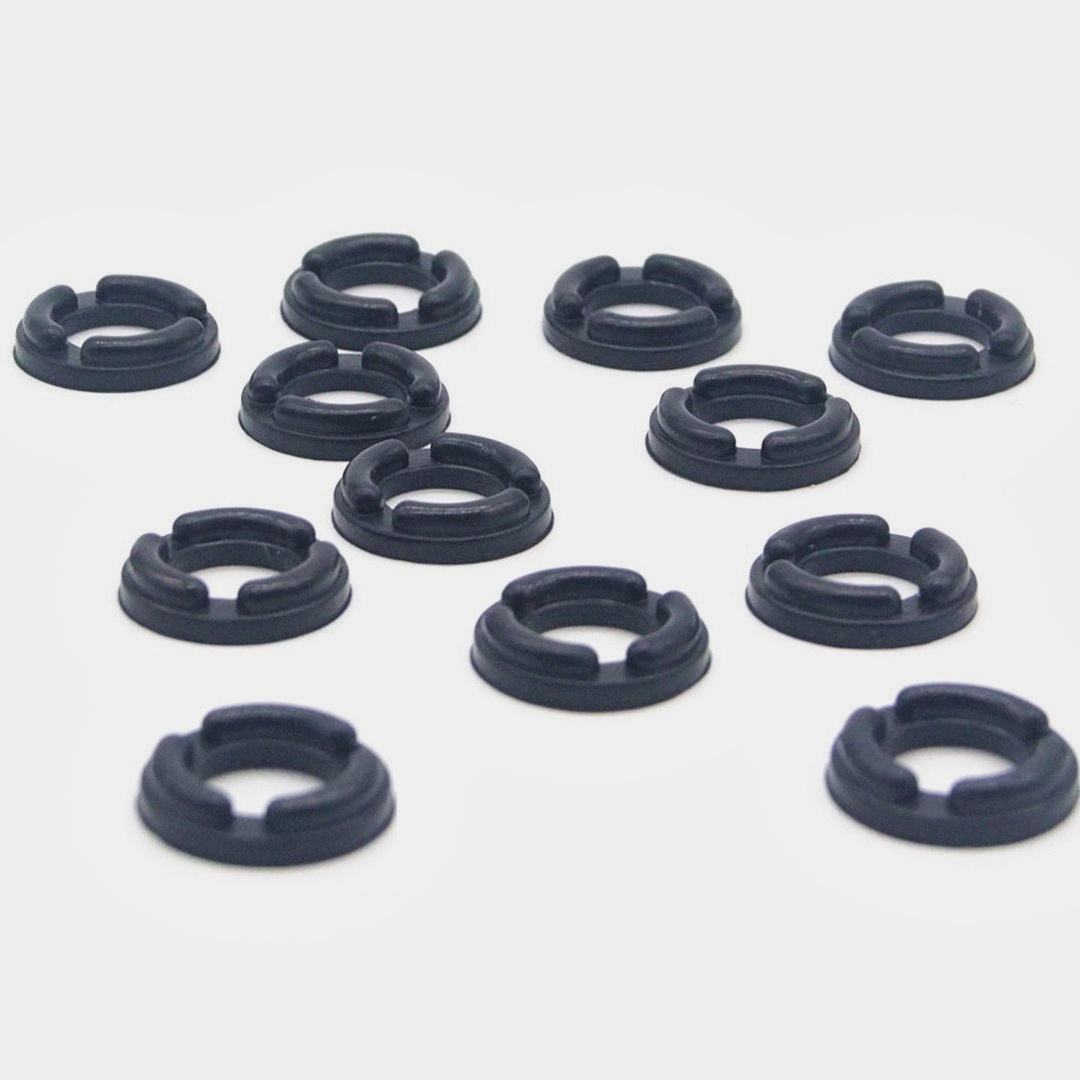
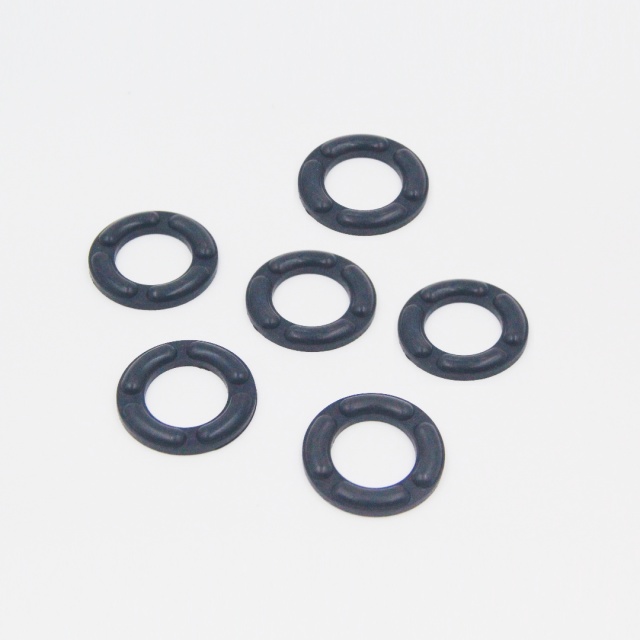
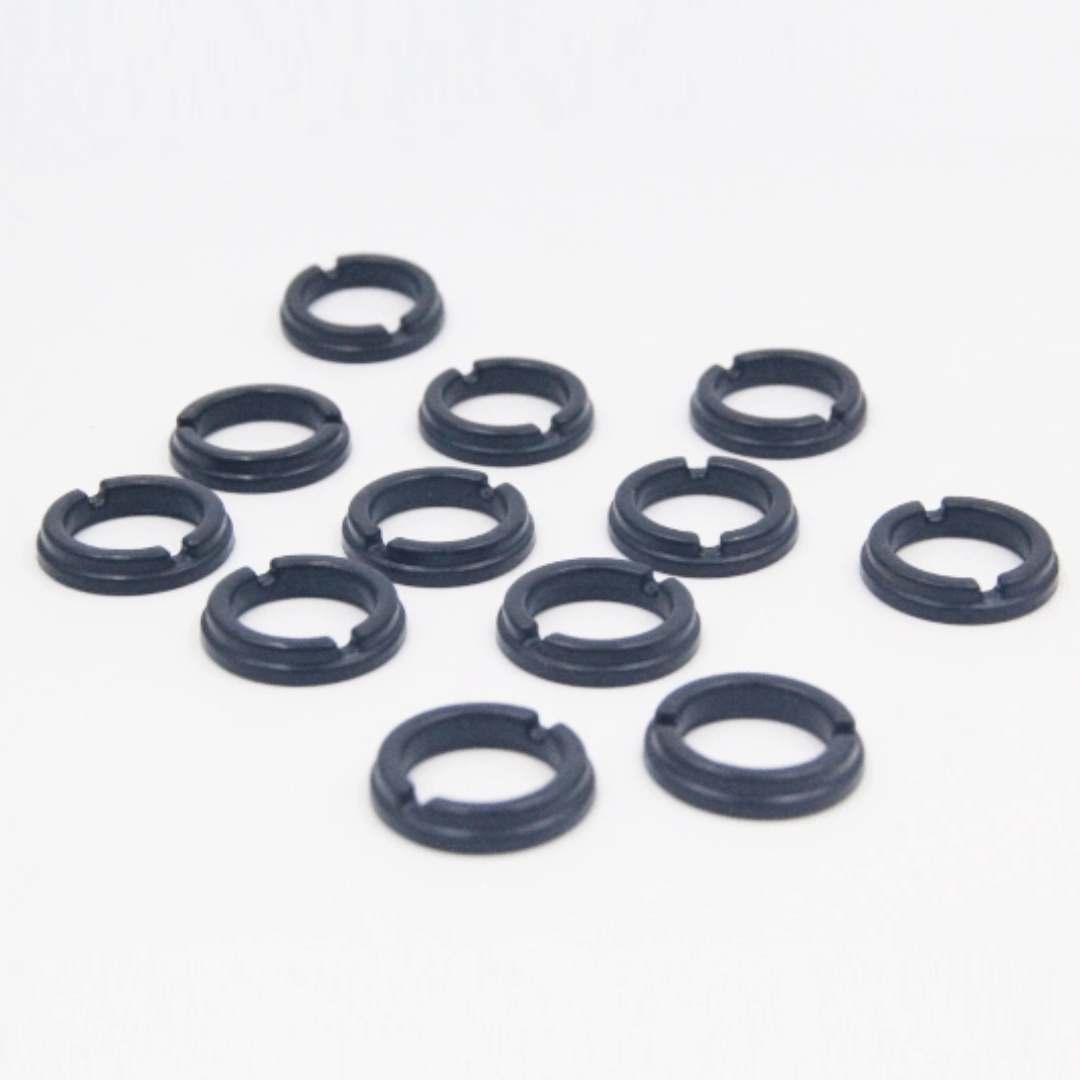
When measuring, record the diameter or width, the free height and the shape of the working face. Photos of the installed position and the removed part make it much easier for a supplier to match the profile. For parts without any marking, a drawing with three dimensions plus the mounting hole spacing is usually enough for an experienced manufacturer to identify or reproduce the item.
Most original rebound bumpers are molded from natural rubber or a natural and styrene-butadiene blend, chosen for its progressive stiffness and good rebound behavior. The aftermarket also offers polyurethane buffers, and each material suits a different duty profile.
| Property | Natural rubber buffer | Polyurethane buffer |
|---|---|---|
| Ride feel | Progressive and forgiving, absorbs the final impact smoothly | Stiffer feel, more energy return, reacts faster at full compression |
| Abrasion and oil resistance | Moderate, degrades faster near oil or heavy road grime | Higher resistance to abrasion and many oils |
| Heat buildup | Good heat dissipation, suits long haul and high cycle rates | Can run hotter under repeated heavy compression on rough routes |
| Typical use | Standard replacement for most trucks, trailers and buses | Heavy off-road use, plant trailers, applications with abrasive dirt |
For mixed fleets, natural rubber remains the default choice because it matches the behavior the chassis was tuned around. Polyurethane makes sense on vehicles that repeatedly bottom out on construction sites or in quarries. Bonpora produces both families, and our polyurethane bump stop line covers the applications where a rubber buffer wears out too quickly.
Rebound bumpers are usually bolted to the frame rail, the axle beam or a dedicated stop plate. Clean the mounting seat before fitting, because rust scale or a bent plate changes the effective height and can preload the new buffer from day one. Use the original fastener grade, apply the torque value given by the chassis maker, and check that the buffer face is parallel to the opposing stop. A buffer fitted at an angle compresses one edge first and cracks early.
After installation, a short loaded road test over rough ground confirms the result. The bottom-out noise should change from a sharp knock back to a dull thump, and there should be no vibration at cruising speed. Re-check the mounting torque after the first few hundred kilometers, since vibration can settle the hardware. Recording the replacement date and vehicle mileage in the maintenance log makes it possible to build a real replacement interval for each duty type.
For distributors and fleet purchasing teams, a rebound bumper looks like a simple part, but a wrong batch creates noise complaints and warranty claims. Before placing an order, confirm the points below with the supplier.
| Item to confirm | Why it matters |
|---|---|
| Rubber compound and hardness | Hardness outside the intended range changes the compression curve and the ride feel |
| Nominal dimensions and tolerance | Height and face diameter decide when the buffer starts to work in the travel |
| Mold tooling and profile match | The working face must meet the opposing stop correctly, not just fit the bolt pattern |
| Aging and fatigue test data | Buffers spend years in sun, ozone and heat before they are ever compressed |
| Packaging and labeling | Clear part numbers on the box reduce picking errors in busy warehouses |
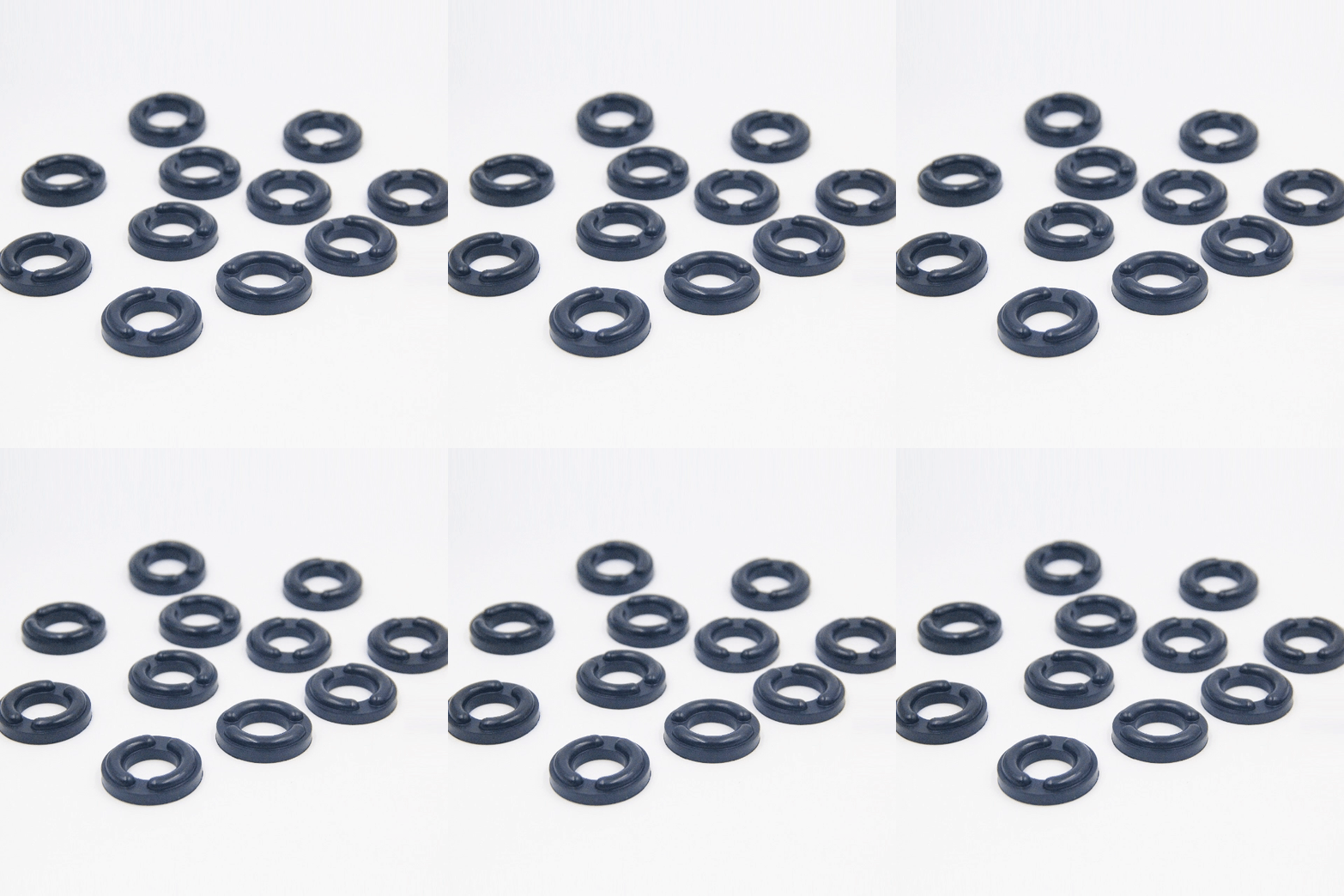
Bonpora manufactures rebound bumpers and buffer limit blocks for trucks, trailers and buses, and supports both catalogue supply and custom molding. Ask about the minimum order quantity per size, the typical production lead time and whether the supplier holds stock of fast moving profiles, because these three points decide how well a replacement program copes with an urgent fleet demand.
Buyers who need a buffer reproduced from a sample can send the dimensions or the part itself, and our custom parts service covers compound selection, tooling and small first batches before volume production. For standard profiles, matching an existing catalogue number is usually faster and more economical than starting a new mold.
A rebound bumper rarely wears alone. The same inspection slot is a good moment to check the shock absorbers for leaking seals, the leaf spring bushings for cracks, and the other bump and rebound stops on the axle. Replacing related wear parts in one visit saves labor and keeps the suspension behavior balanced. The shock absorber parts section lists the components that usually reach their service limit around the same mileage as the rebound buffers.
There is no fixed interval, because duty cycles differ widely. Highway tractors may need new buffers at high mileage, while vehicles on rough site routes can wear them out much sooner. The practical approach is to inspect the buffers at every brake or suspension service and replace them when cracks, flattening or height loss appear, rather than waiting for failure.
The vehicle will still move, but every full compression event transfers the impact straight into the frame and the shock absorbers. Over time this accelerates wear on the axle stop, the frame bracket and the damper mounts, and the bottoming-out is uncomfortable for the driver. Some chassis makers also specify a minimum buffer height in their service documentation, and a missing part is an obvious reason for a failed roadworthiness inspection. Driving with a missing buffer should be treated as a short-term situation only.
Replacing both buffers on an axle keeps the compression behavior symmetric left to right. If only one side is replaced, the worn buffer on the other side still allows more travel, and the vehicle leans differently under load. Pair replacement also matches the way most fleets schedule the work.
Three measurements cover most cases: the width or diameter, the free height, and the mounting hole spacing, together with a photo of the installed position and one of the removed part. The vehicle make, model and model year help narrow the profile. With this information, a manufacturer such as Bonpora can usually identify the part or quote a custom molded equivalent.
If the inspection checklist above has identified buffers that need replacing, send the measurements or the worn sample to the Bonpora team. We supply standard rebound bumpers and buffer limit blocks for commercial vehicles, mold custom profiles from drawings or samples, and export to distributors and fleet operators worldwide. Contact us with the vehicle application and the required quantity, and we will reply with a quotation and a lead time.