sales@bonporaparts.com
0086-10-64988621
English
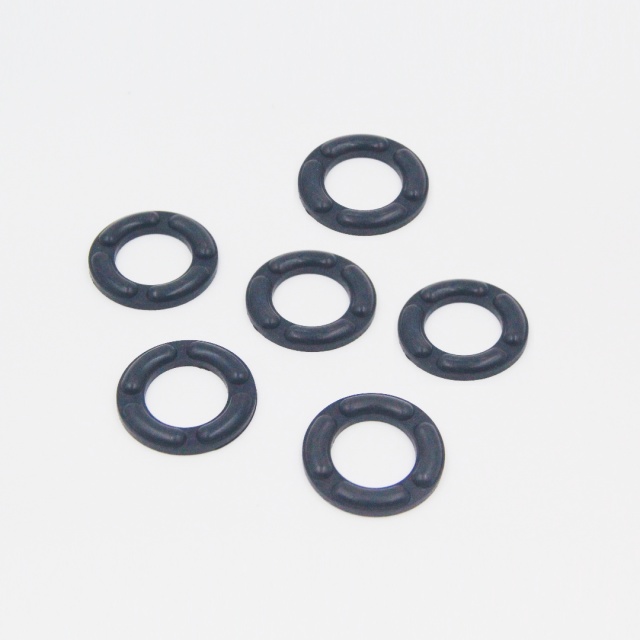
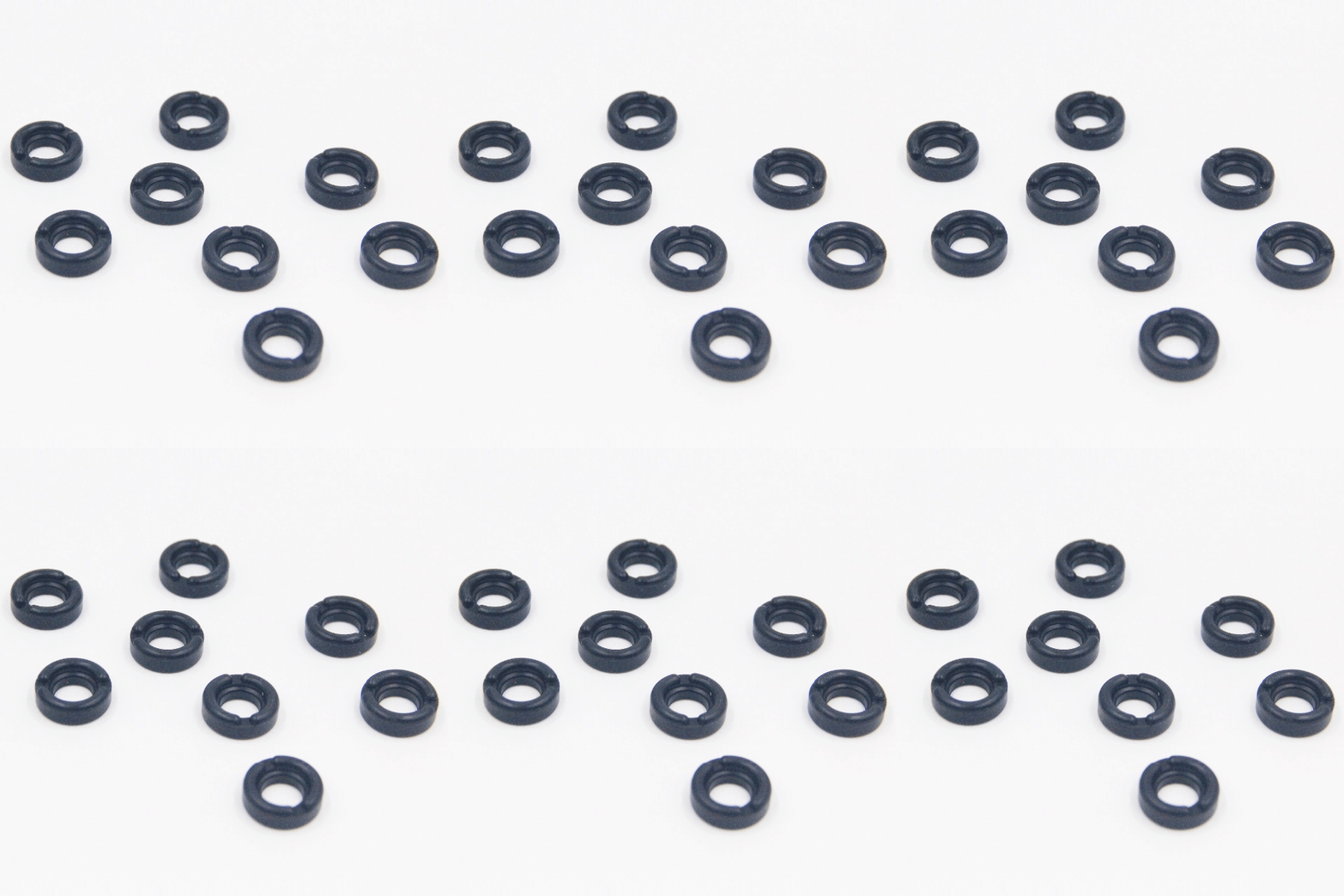
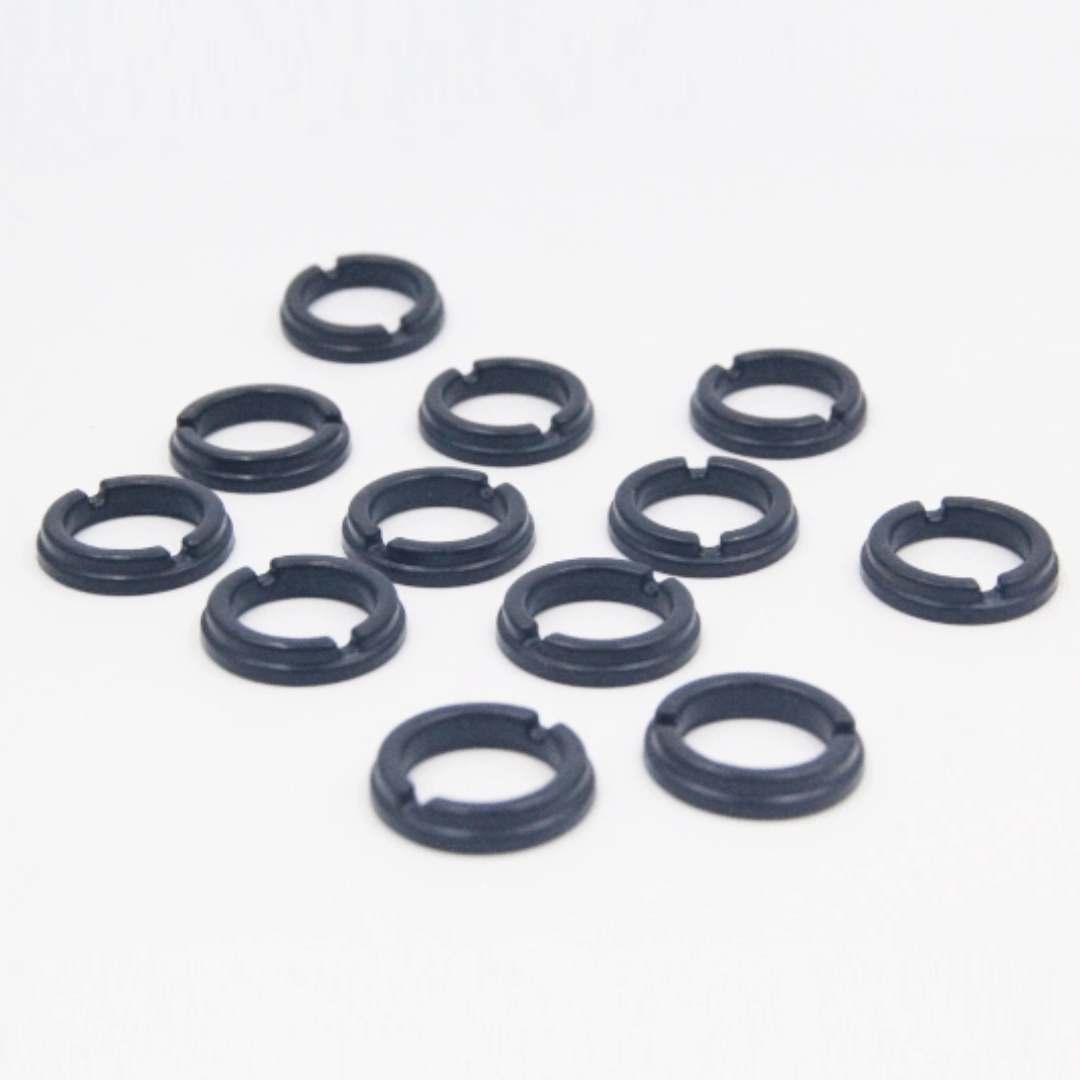
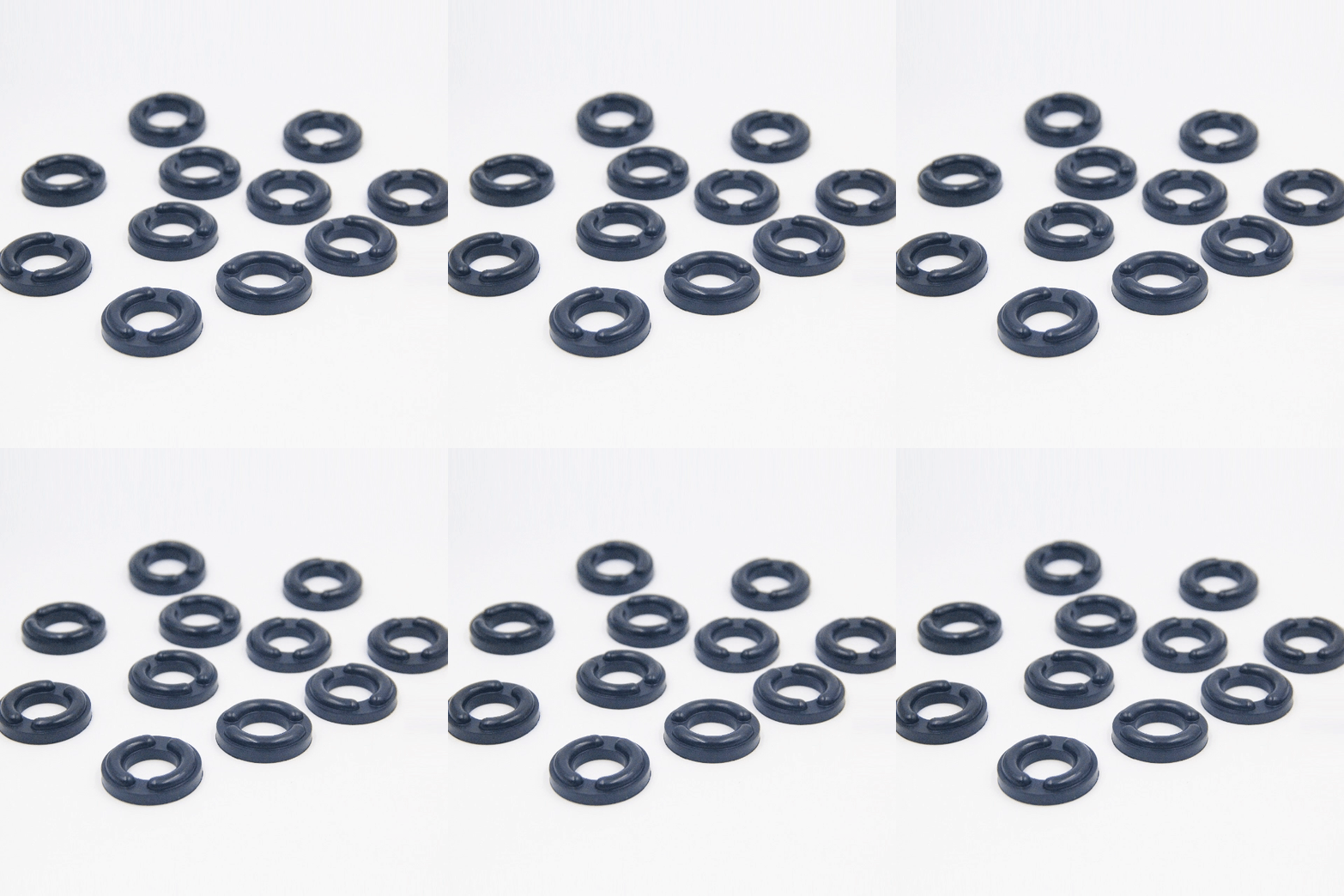
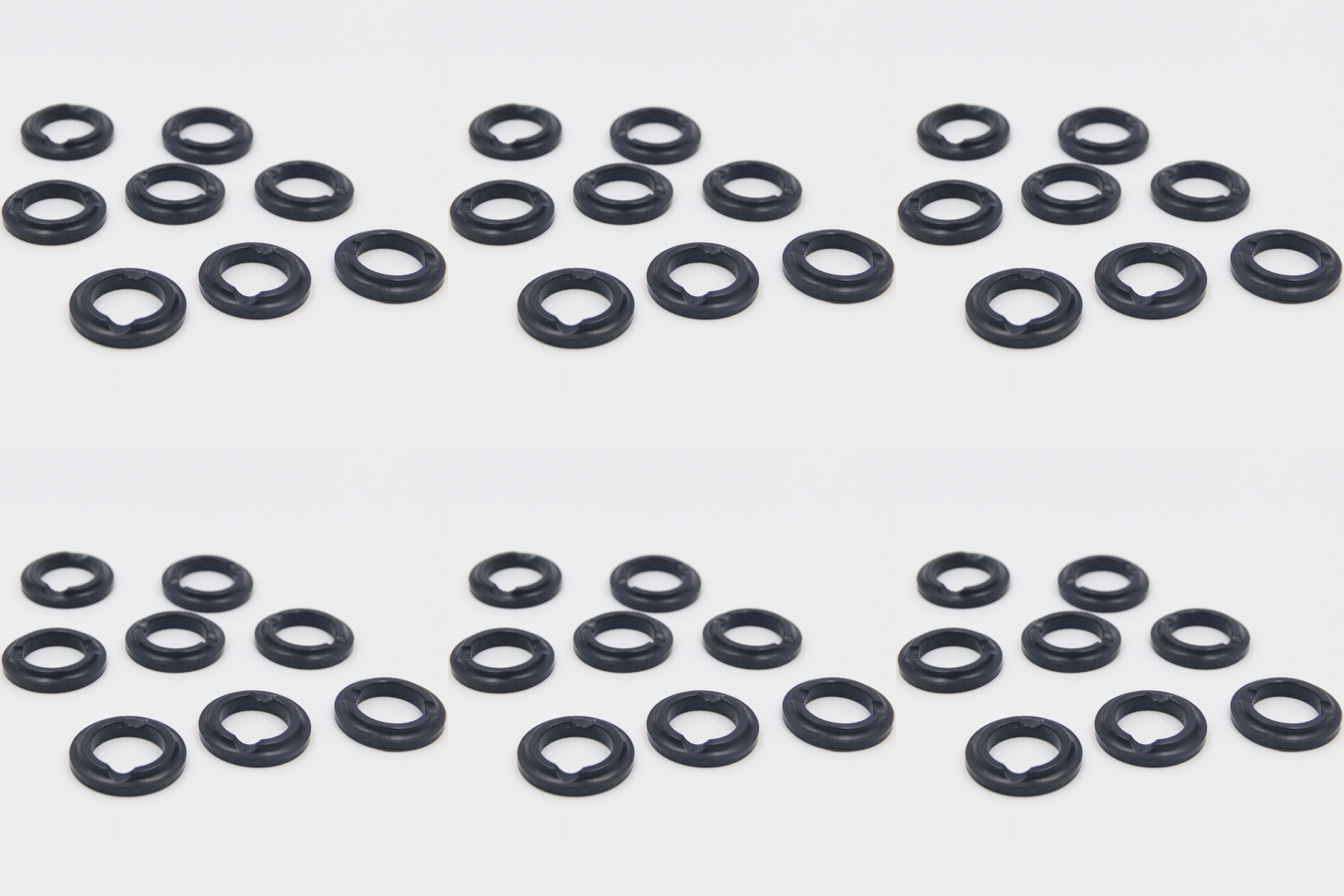
A rebound bumper, also known as a rebound rubber buffer or buffer limit block, is a small but critical rubber component installed in the suspension system of trucks, trailers and commercial vehicles. It is usually mounted on the axle or the frame rail, and its main job is to limit the upward travel of the axle when the suspension reaches full compression. When a truck drives over potholes, speed bumps or rough construction sites, the rebound bumper absorbs the final impact and prevents metal to metal contact between the axle stop and the frame.
Although the original product description is short, this part plays a much bigger role than its size suggests. A worn or missing rebound bumper can lead to damaged shock absorbers, broken leaf spring center bolts, cracked frame brackets and unstable handling. For fleet operators and parts distributors, keeping a reliable stock of rebound bumpers is a simple way to reduce downtime and warranty claims.
During normal driving, the suspension springs and dampers handle most of the road input. The rebound bumper only comes into play at the last stage of suspension travel. When the vehicle hits a large bump or carries a heavy load, the suspension compresses until the axle stop approaches the frame. At this moment the rebound bumper is compressed progressively, first acting like a soft spring and then becoming stiffer near full compression. This progressive rubber characteristic absorbs the remaining energy smoothly instead of transmitting a hard shock into the chassis.
On the rebound side, after the impact the rubber returns to its original shape and pushes the suspension back toward its normal working range. The whole cycle protects shock absorber rods from bottoming out, which is one of the most common causes of premature damper failure.
Without a rebound bumper, full compression results in direct metal contact. This can bend axle stops, crack weld seams on brackets and destroy shock absorber internals. The rubber block acts as the final safety cushion of the suspension system.
A healthy rebound bumper keeps the suspension working inside its designed travel range. This maintains stable axle alignment, keeps tire contact with the road more consistent and reduces body roll feel when the truck is loaded unevenly.
Replacing a low cost rubber buffer takes only a few minutes. Compared with replacing shock absorbers, repairing frame cracks or retorquing U bolts caused by repeated bottoming, the rebound bumper is one of the most cost effective wear parts on a commercial vehicle.
Rebound bumpers are commonly produced from natural rubber compounds or polyurethane. Each material offers a different balance of hardness, temperature resistance and service life. The table below shows a typical comparison:
| Material | Typical Hardness | Strengths | Common Use |
|---|---|---|---|
| Natural Rubber | 60 to 75 Shore A | Good elasticity, low cost, quiet operation | Standard truck and trailer suspension |
| Polyurethane | 70 to 85 Shore A | Higher load capacity, better oil and abrasion resistance | Heavy duty and off road applications |
| EPDM Blend | 55 to 70 Shore A | Excellent ozone and weather resistance | Regions with strong sun exposure |
Most designs include an embedded steel plate or internal bushing for secure mounting, and some versions have a tapered or stepped profile to create the progressive stiffness curve mentioned above.
Rebound bumpers and buffer limit blocks are widely used on European and American truck platforms, including common models from Mercedes Benz, MAN, DAF, Scania, Volvo, Iveco, Renault and Freightliner, as well as on semi trailers and buses. Part references differ by axle position and suspension type, so buyers should confirm the original OE number or chassis data before ordering.
Because the part is hidden near the axle, it is often overlooked during inspections. Recommend checking it during every major service. Typical signs of wear include:
At the 12th Auto Parts Aftermarket Expo, aftermarket surveys repeatedly listed suspension rubber parts among the top overlooked wear items. A two minute visual check of the rebound bumper can prevent several hundred dollars of secondary damage.
Height, diameter, hardness and mounting hole layout all affect suspension behavior. Always match the OE number or send the old part measurements to your supplier. Installing a buffer with the wrong height can change the ride height and overload other components.
Low cost buffers made from recycled rubber may look similar but lose elasticity quickly, harden in cold weather and crack under ozone attack. Ask the supplier for material certificates, hardness tolerances and aging test data.
Vehicles operating in mining, port or cold chain environments should choose polyurethane or EPDM based options, while standard regional distribution trucks work well with quality natural rubber buffers.
Installation is straightforward but a few details matter. Clean the mounting surface and remove rust before fitting the new buffer. Torque the mounting bolt to the manufacturer specification, not by feel. Inspect the neighboring axle stop plate for cracks at the same time. After installation, compress the suspension a few times and confirm the buffer seats evenly without rubbing against the frame on full steering lock.
The two terms are often used interchangeably. Both are rubber compression stops in the suspension. In some markets jounce bumper refers to the compression side stop while rebound bumper refers to the part controlling the return travel. Always confirm the position and OE number for the exact vehicle.
Service life depends on road conditions, load and material quality. On normal road transport duty a quality rubber buffer often lasts 2 to 4 years. Vehicles on rough terrain may need replacement every year, so visual inspection at each service is recommended.
The truck will still move, but every full suspension compression becomes a hard metal impact. This accelerates wear on shock absorbers, leaf springs, U bolts and frame brackets. Driving for a long period without the buffer is not recommended and may create safety risks on loaded vehicles.
Yes. Bonpora Parts supports both bulk orders for fleet maintenance and mixed container loading for distributors. Contact the sales team with the OE number or the application details and you will receive a quotation with lead time.
Bonpora Parts is a professional supplier of suspension rubber parts and buffer limit blocks for European and American commercial vehicles. All rebound bumpers are produced with controlled rubber compounds, tested for hardness and aging performance, and packed to survive long distance sea freight. Stable tooling and quality control keep each batch consistent, which matters for distributors who need repeatable quality across seasons.
Looking for a reliable rebound bumper supplier? Send your OE number or application list to the Bonpora Parts sales team today and get a fast quotation, free samples for testing and flexible shipping options from our warehouse.