sales@bonporaparts.com
0086-10-64988621
English
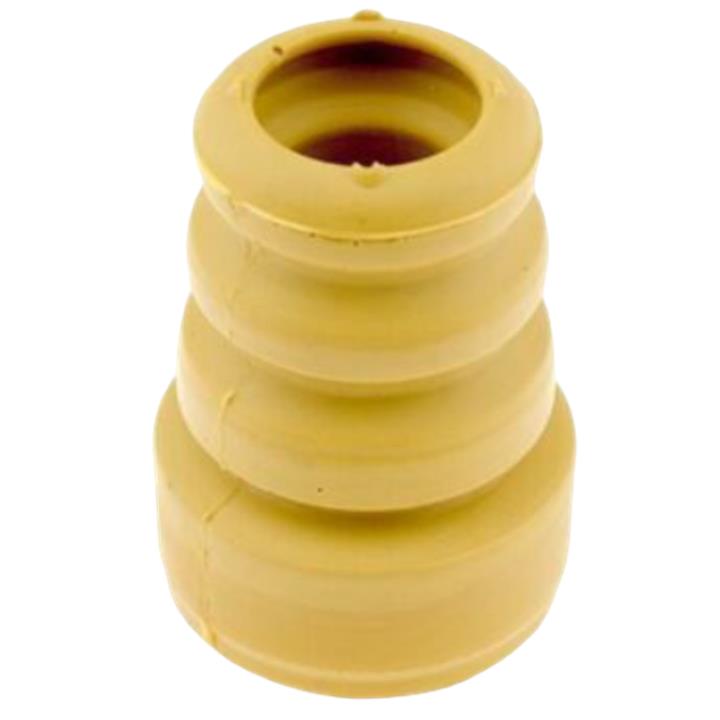
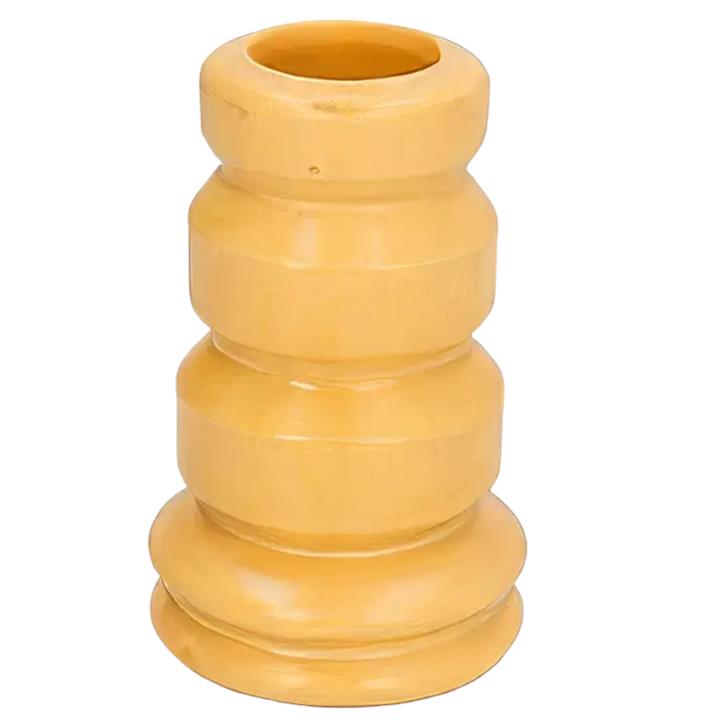
A strut bump stop is one of the smallest parts in a Porsche suspension, yet it decides how the car behaves in the last few centimetres of suspension travel. When a coil spring is compressed hard, the bump stop is the component that stops metal from meeting metal. This page explains what the 95B412131D strut bump stop does, how buyers source it, and how to compare a replacement against the part already on the car. It is written for purchasing staff, distributors and repair shops who need a clear specification before they place an order.
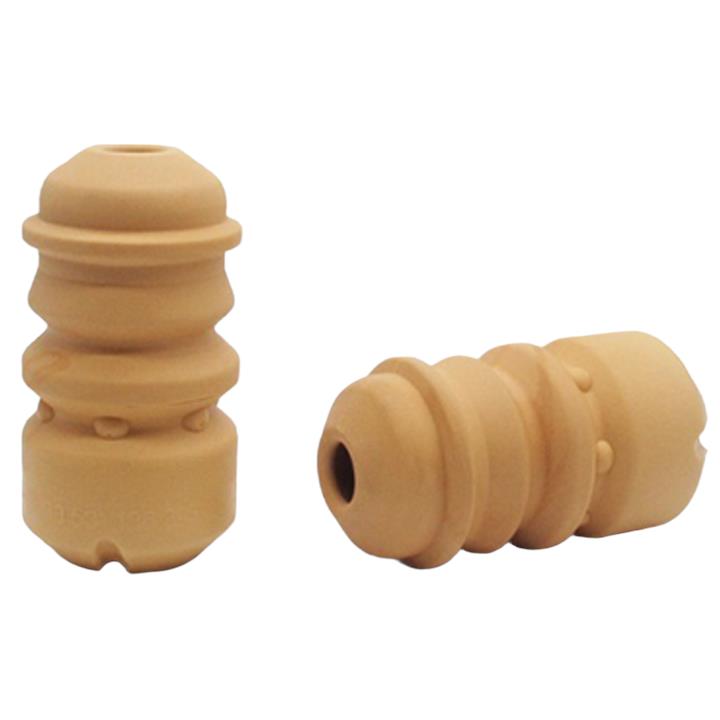
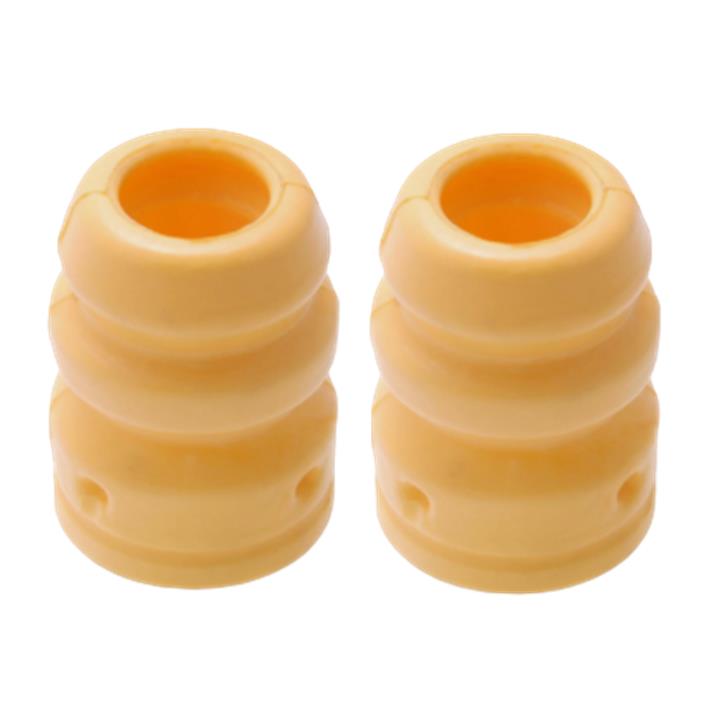
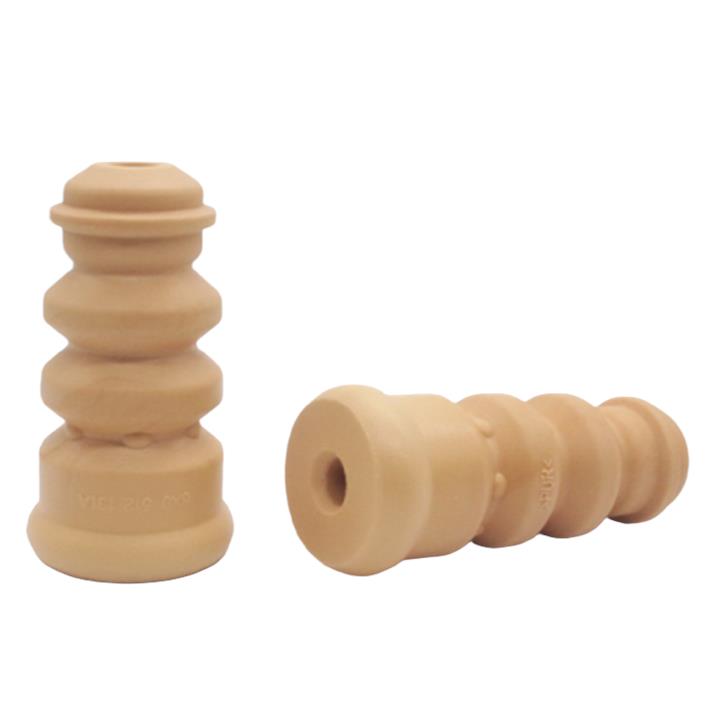
The bump stop is a progressive auxiliary spring. It sits on the damper rod inside the coil spring, and under normal driving it barely touches anything. Once the suspension compresses far enough, the stop contacts its seat and adds rising resistance. That resistance is what protects the damper from bottoming out, keeps the tyre in contact with the road and limits the load transferred into the strut mount.
Part number 95B412131D follows the Porsche numbering format used across the current model range. The 95B sequence is the market code widely associated with the Macan platform family. Fitment lists on this series can vary by model year, engine and option package, so always confirm the number against the vehicle identification data before ordering. A bump stop that is dimensionally correct but belongs to a different axle can change travel and ride height.
Performance SUVs and sports saloons combine a firm spring rate with limited travel. A rubber or polyurethane stop gives the suspension a soft transition instead of a sudden hit. The material also damps the impact, which reduces the noise and harshness that a solid stop would send straight into the chassis. Because the stop is compressed thousands of times over its life, material choice matters more than the shape alone.
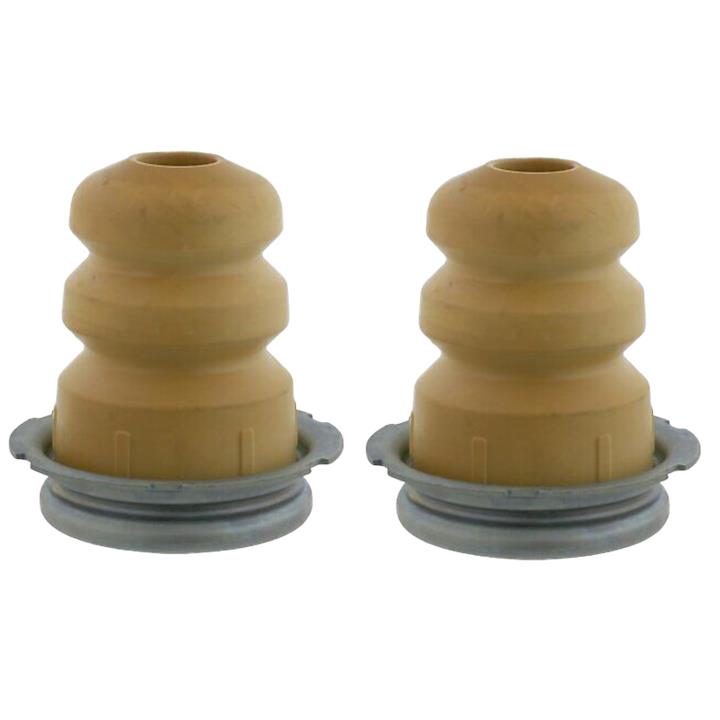
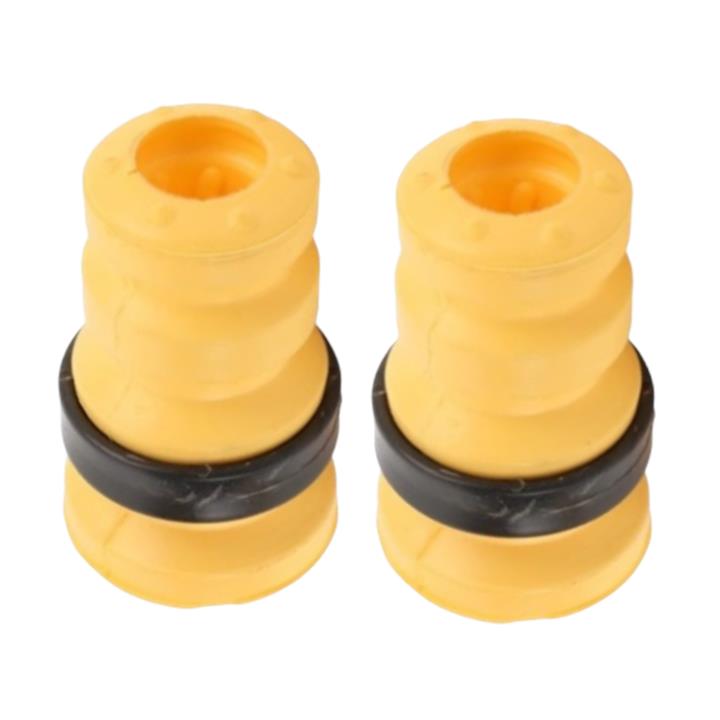
Replacing both sides at the same time is standard practice. A pair that has covered the same distance will have aged in a similar way, and matching the two sides keeps the front or rear axle balanced.
| Parameter | Value |
|---|---|
| Product Name | Strut Bump Stop |
| OE Number | 95B412131D |
| Bonpora Nos | 4110194 |
| Fitment | Porsche |
| Size | Φ20 x Φ62.3 x 73.5 mm |
| Material | Polyurethane (PU) |
| Country of Origin | China |
| Warranty | 1 Year |
| Delivery Time | 15-30 Days |
| Packaging | Neutral Export Packaging |
| Custom Service | OEM and Custom Design Support |
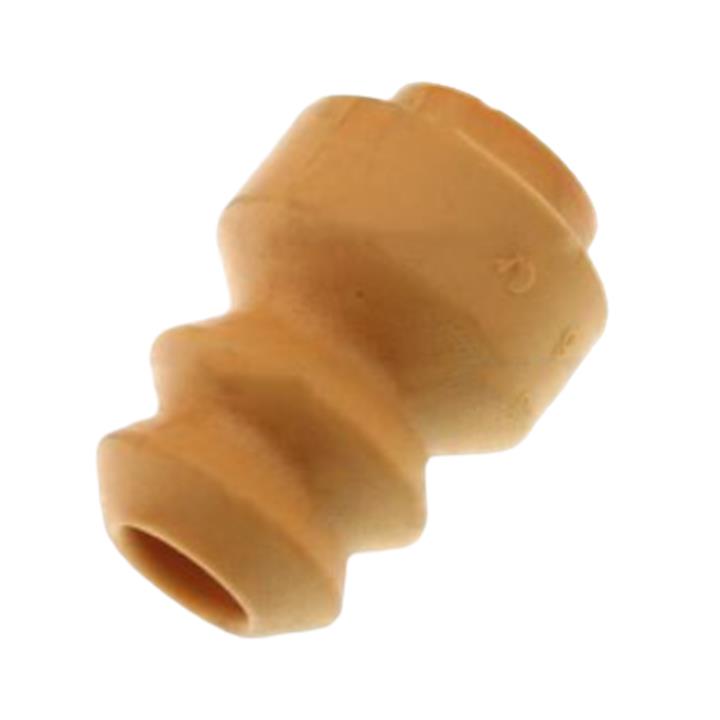
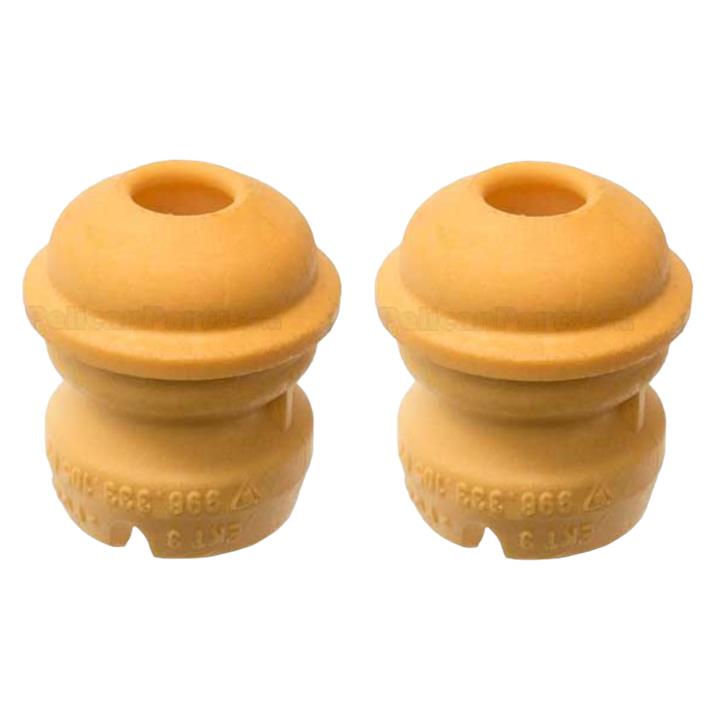
The three dimensions are the ones to check first when cross referencing. 20 mm is the bore that fits over the damper rod, 62.3 mm is the maximum outside diameter of the ribs, and 73.5 mm is the free length from the mounting face to the tip. A shorter free length changes where the stop begins to work; a smaller outside diameter changes how the spring locates. Buyers comparing a replacement against the original part should measure all three.
Polyurethane is chosen for its resistance to oils, ozone and repeated compression. Compared with natural rubber, PU holds its shape longer, keeps a more predictable spring curve and resists tearing at the ribs. Hardness should sit in the range normally used for road-car strut stops: firm enough to control travel, soft enough to absorb the first contact without a sudden spike in load. Because polyurethane can be formulated at different hardness levels, a supplier who only quotes a generic material grade cannot guarantee the original feel. Ask for the hardness value and the batch test record.
Most overseas purchasing staff find this part through one of a small number of searches. Knowing which path a buyer uses makes sourcing faster on both sides of the enquiry.
All five paths are supported here. The full range is listed in the polyurethane bump stops category, and buyers who work from a drawing should look at the custom parts service page. Related components in the same assembly are grouped under shock absorber parts.
A cross reference is only useful if it is checked in more than one place. The steps below are the ones used for every enquiry handled here.
Following this sequence avoids the most common failure in aftermarket sourcing, which is a part that arrives with the right number on the label and the wrong geometry inside the box.
| Aspect | OE Style Stop | Quality Aftermarket Stop |
|---|---|---|
| Material | Elastomer to manufacturer spec | Polyurethane, grade declared by supplier |
| Dimensions | Per original drawing | Should match within stated tolerance |
| Hardness record | Held by the vehicle maker | Available on request from the factory |
| Cost per unit | Highest | Lower, especially at volume |
| Lead time | Depends on maker stock | 15-30 days, longer for custom tooling |
| Custom marking | Not available | Private label and neutral options |
An aftermarket stop is a reasonable choice when the material grade is declared, the dimensions are measured and the supplier can show test data. It is a poor choice when the only information offered is a picture and a price. The comparison above is intended as a checklist rather than a claim that one route always wins.
Not every enquiry is for a catalogue number. Three types of custom work come up regularly:
Distributors who sell under their own brand need neutral packaging, printed boxes and a part number of their choosing. Tooling is usually already available for common sizes, so the main additional cost is packaging artwork and a first article approval.
Track cars and modified road cars often need a stop with a different free length or a firmer compound to work with shorter springs. Small runs can be produced from an existing mould when the profile matches, or from a new mould when the drawing differs. Hardness can be adjusted within a practical range, and the correct value is normally settled by testing rather than by theory.
The same outer profile can be supplied at two hardness levels, giving a workshop a choice between a firmer stop for loaded vehicles and a softer stop for comfort focused builds. Providing both variants under one part number family keeps inventory simple.
Enquiries for custom work move faster when they include the drawing or a sample, the target quantity, the required hardness and the expected use case. A complete enquiry can usually be quoted the same working day.
Every production batch is checked against the agreed drawing. Dimensional checks cover bore, outside diameter and free length; material checks cover hardness and appearance. Where a customer requests it, batches are held for visual inspection against a golden sample before packing.
Neutral export packaging is the default. Stops are bagged, boxed and palletised so that cartons arrive in saleable condition after sea or air freight. Carton marks can carry the buyer brand or a neutral reference, and mixed cartons can be arranged for orders that combine several numbers. A 1 year warranty applies to the parts supplied, covering material and manufacturing defects under normal road use.
Standard catalogue numbers normally ship in 15 to 30 days from order confirmation, depending on order size and whether the number is in stock at the time of booking. Custom tooling adds a development stage, which is quoted separately. Air freight is used for urgent and sample orders, and sea freight is the usual choice for pallet quantities.
To place an enquiry, send the OE number, the quantity required and the destination port. If the number is not familiar, send the three dimensions and a clear photo of the original part. A quotation with lead time and packing details is then issued, and no payment is requested until the specification is confirmed in writing.
In most cases the stop is not handed, so one part number serves both sides of an axle. Fitment data should still be checked, because some platforms use different stops front and rear and the number may be listed for one position only.
Yes, when the dimensions match and the hardness is in the normal range for road use. Polyurethane is widely used for this application. A supplier should state the hardness value, and a firmer compound should only be chosen for a specific reason such as track use or regular heavy loading.
Stocked numbers can be supplied in small trial quantities so that a buyer can inspect and test before committing to a container. Custom tooling and private label programmes carry a higher minimum because of setup cost. The exact figure is confirmed in the quotation.
Catalogue items normally ship in 15 to 30 days, with air freight available for urgent orders. Custom parts require an additional development period, which depends on whether a new mould is needed.
If you are sourcing the 95B412131D strut bump stop for Porsche applications, send the OE number, quantity and destination and a quotation will be prepared with lead time and packing details. Buyers who need a drawing matched part for a different platform are welcome to send the details as well. Samples are available for first time orders, and every enquiry receives the same dimension and material data before shipment.