sales@bonporaparts.com
0086-10-64988621
English
A strut bump stop is a small, low-cost component that protects the most expensive parts of a vehicle suspension. When a Toyota or Lexus front strut compresses over a pothole, speed bump, or heavy load, the bump stop is what absorbs the final travel and keeps the damper from bottoming out. Buyers sourcing this part often search by OE number 48331-33030, by the vehicle platform, or by material and dimension. This guide answers those searches from a supplier and procurement perspective.
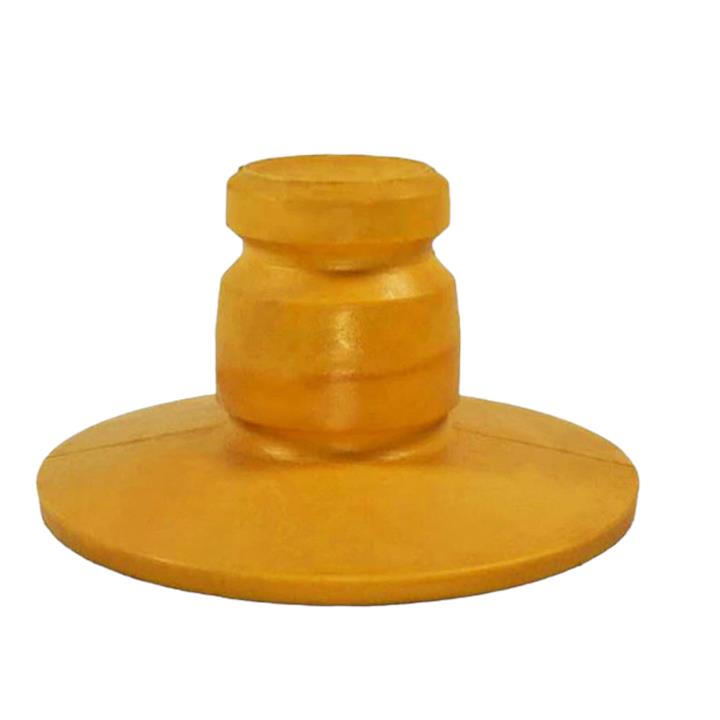
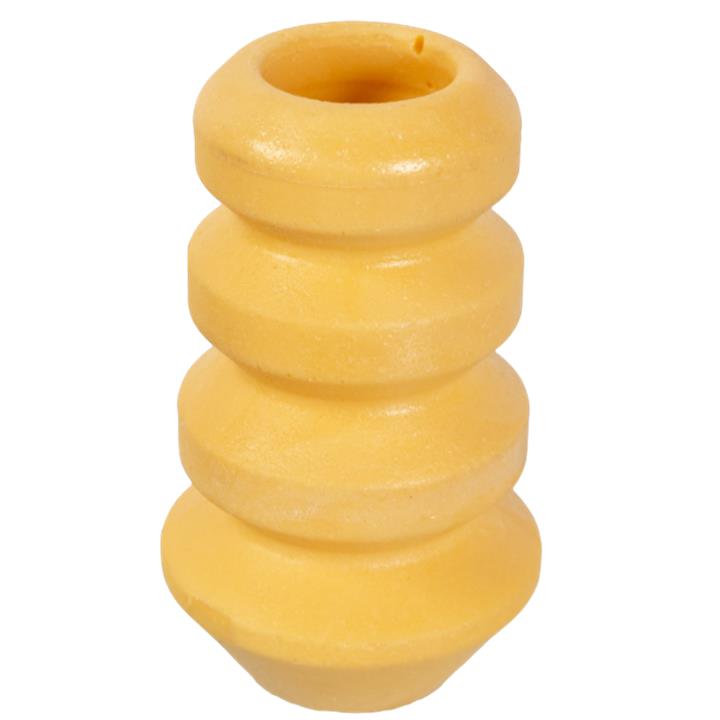
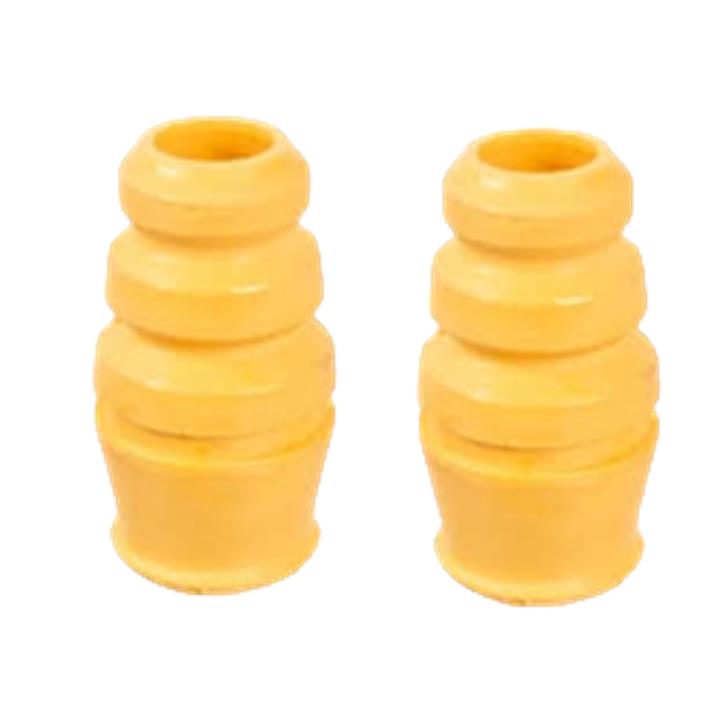
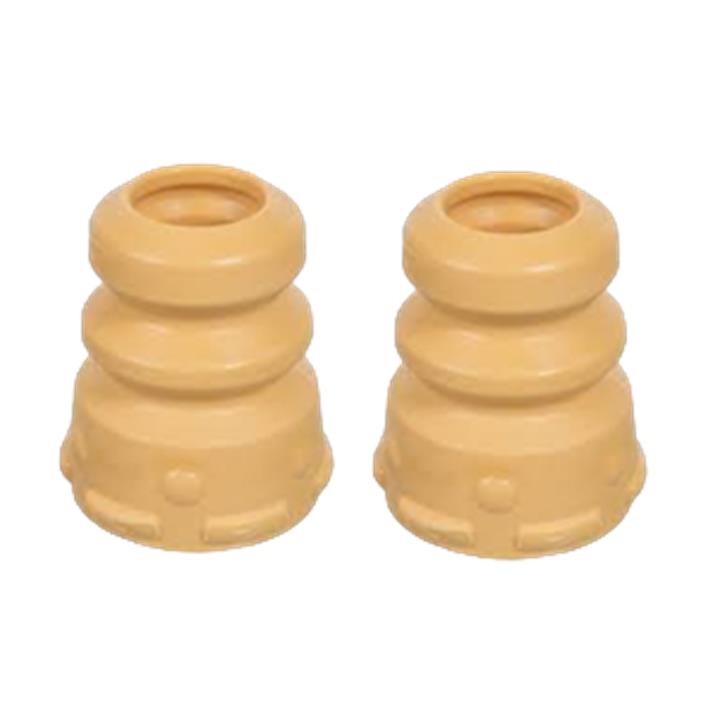
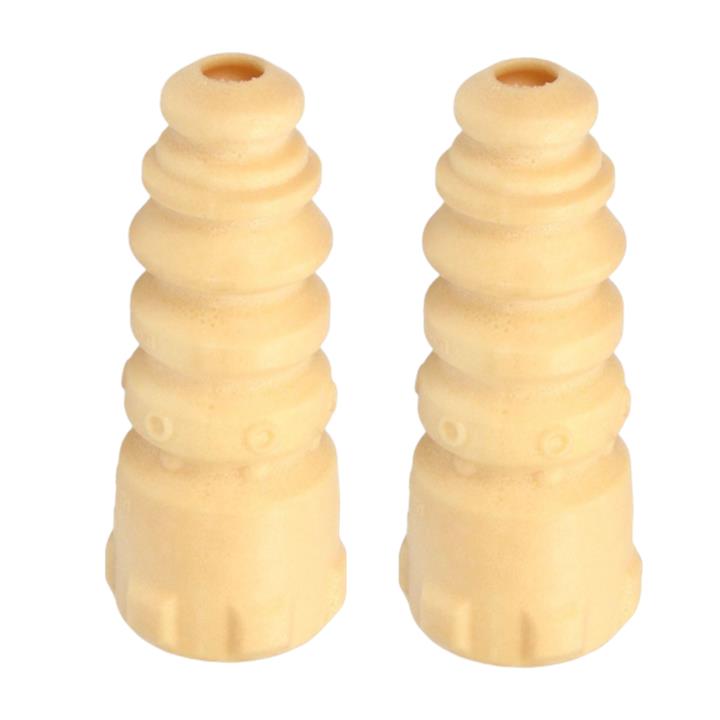
A strut bump stop, also called a strut bumper, jounce bumper, or compression stop, is a resilient elastomer ring mounted on the piston rod of a MacPherson strut. Under normal driving it stays clear of the strut mount; under full compression it engages progressively and converts the last portion of suspension travel into controlled resistance.
Like most chassis rubber and elastomer parts, bump stops age. Heat, ozone, road salt, and repeated compression cycles cause hardening and cracking, at which point the component loses its progressive behaviour and the strut starts to bottom out. For a full overview of the category, see our auto parts catalogue.
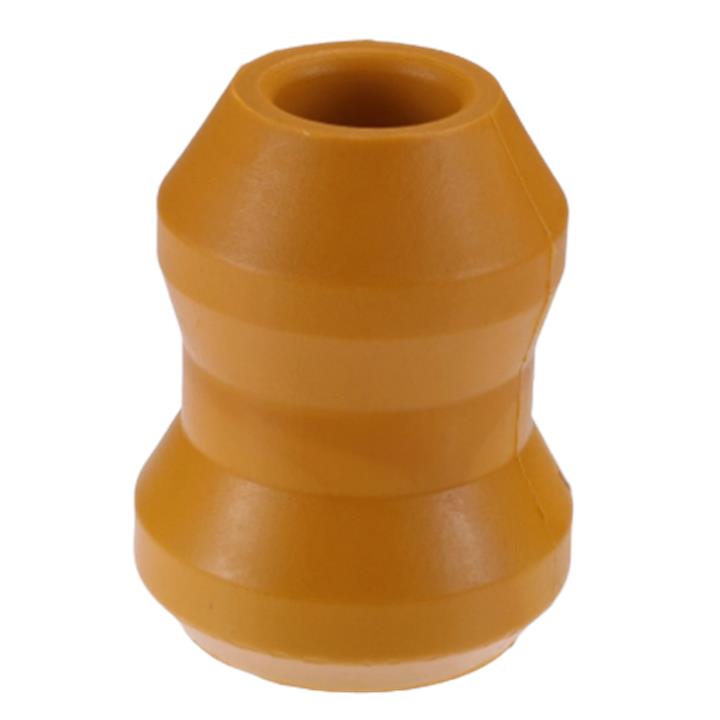
The part discussed here is a front strut bump stop for Toyota and Lexus applications, referenced under OE number 48331-33030. The table below lists the specification data buyers most often ask for before requesting a quotation.
| Parameter | Value |
|---|---|
| Product name | Strut Bump Stop |
| OE number | 48331-33030 |
| Bonpora no. | 4110078 |
| Fitment | Toyota / Lexus (front strut applications) |
| Dimensions | Φ21 x Φ50 x 94 mm |
| Material | Polyurethane |
| Country of origin | China |
| Warranty | 1 year |
| Delivery time | 15–30 days |
| Packaging | Neutral export packaging |
| Custom service | OEM & custom design support |
The Φ21 mm figure refers to the inner bore that fits over the piston rod, Φ50 mm is the outer diameter of the elastomer body, and 94 mm is the free length. When comparing cross-references, all three values should be checked: a stop with the correct bore but the wrong free length will alter the point at which the suspension engages and can change ride height under load.
Polyurethane offers a useful balance for bump stop applications. Compared with conventional rubber it resists tearing and oil exposure better, holds its shape over a wider temperature range, and can be moulded to a controlled hardness so the compression curve is progressive rather than abrupt. This makes it suitable for both daily-driven vehicles and lightly modified suspension setups.
OE 48331-33030 is used across a number of Toyota and Lexus models that share front strut architecture. Because fitment varies by platform, model year, and whether the vehicle uses a standard or sport-tuned suspension, buyers should always confirm against the vehicle identification number or the original part number removed from the car.
For importers and distributors, bump stops are a high-turnover, low-unit-value line that supports higher-margin suspension sales. Sourcing them well is mostly about consistency rather than price alone.
Suppliers offering OEM and custom design support can produce stops to a customer drawing or sample, including non-standard bore sizes, different hardness grades, and application-specific profiles. This is useful for distributors building a private-label suspension range or for workshops servicing vehicles with modified ride heights. If you need a made-to-spec part, our auto parts sourcing team can review drawings and samples alongside the OE-referenced items.
For catalogue items held in stock, 15–30 days covers production and export preparation. Custom moulds and new tooling add development time, so it is worth planning the first order of a private-label line well ahead of the selling season.
A worn bump stop is usually discovered during strut replacement, but it can also be diagnosed from the driver seat.
Bump stops are normally replaced together with the strut mount and dust boot, since all three share the same access procedure and the same service life. Always replace both sides of an axle at the same time, use a proper spring compressor, and torque suspension fasteners with the vehicle at normal ride height. Old elastomer parts should be compared against the new item before installation to confirm the dimensions match.
No. The bump stop and the strut mount are separate components that sit in the same assembly. The mount carries the load into the body and contains the bearing; the bump stop is the elastomer element that limits compression travel. They are commonly replaced at the same time, but they are not interchangeable.
Yes, provided the dimensions match the original. Polyurethane is a direct replacement material for this application; the fitment decision is driven by bore, outer diameter, and free length rather than by material alone.
It depends on whether an existing mould can be used. Where a catalogue mould matches your drawing, orders can start small; where new tooling is required, the MOQ is set by the mould investment. Share your drawing or sample and the target annual volume for a specific quotation.
Standard quoted delivery is 15–30 days for stock-referenced items, with export packaging prepared for sea or air freight. Confirm the shipping method and destination port with your supplier so the quotation reflects the correct terms.
If you are sourcing front strut bump stops for Toyota or Lexus applications, or need a custom-moulded stop to your own specification, send us the OE number, vehicle platform, and annual volume. We can confirm availability, provide dimensional data, and quote on neutral export packaging or private-label terms.