sales@bonporaparts.com
0086-10-64988621
English
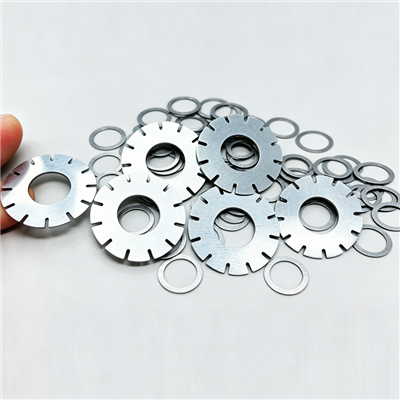
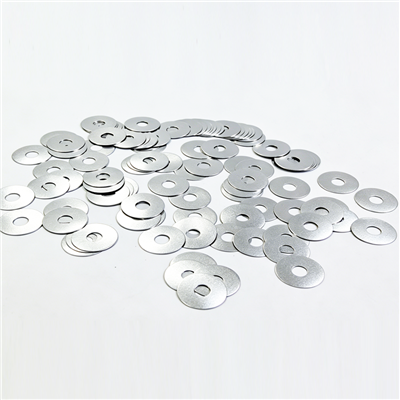
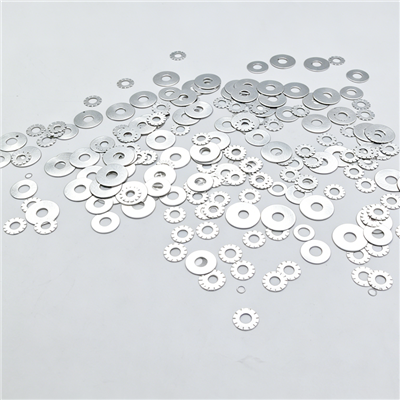
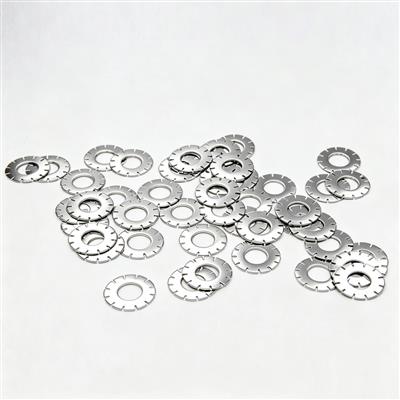
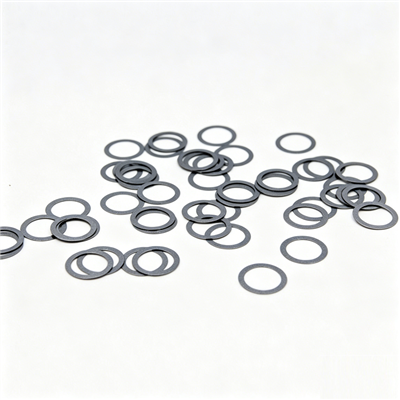
A steel shim, also called a valve shim or shock shim, is installed inside the shock absorber piston assembly, positioned in the piston valve system or base valve system, and works in conjunction with valve seats, springs and orifice passages. It is made from Sandvik 20C, SK4 or SK5, C100S, 65Mn, or stainless grades. During the compression and rebound strokes the valve shim opens or closes as the oil flows, regulating the flow rate of oil through the orifice passages and thereby generating the required damping force. Stacking valve shims of different thicknesses, diameters and combinations gives precise tuning of the damping characteristic.
Bonpora lists a service life of typically not less than 100,000 km or 5 years under normal operating conditions, with development and production following the IATF 16949 quality management system, and a one year or 100,000 km warranty covering material and manufacturing defects, whichever comes first. Those figures apply to a stack that is assembled correctly. Most of the variation found between two rebuilt dampers that use the same parts comes from assembly, not from the shim material.
A twin tube damper normally carries two stacks, and the two are asked to do different jobs. Understanding which stack the oil sees on each stroke is the first step in tuning.
The piston valve stack controls the oil that passes through the piston as it moves in the pressure tube. In the common deflected disc design, the shims are clamped at their inner diameter on a shoulder and deflect at their outer edge, opening a bleed path whose area grows with pressure. Low speed damping is set mainly by the preload on the stack and by the thickness of the first shims, while high speed damping is set by the total stiffness of the whole group.
The base valve stack sits at the bottom of the pressure tube and controls the oil displaced by the piston rod as it enters the tube, along with the gas or reservoir pressure path. Because the rod volume is much smaller than the swept piston volume, the base valve stack carries less flow and is often built with fewer shims. Adjusting the base stack mainly changes the shape of the force curve at low rod speed, which is why a rebuild that feels harsh at low speed but correct at high speed usually points at the base stack.
Each shim parameter has a predictable effect. Change one value at a time and record the result, because two simultaneous changes produce a curve that cannot be attributed to either.
| Parameter | Typical effect on the damping curve | Practical note |
|---|---|---|
| Shim thickness | Thicker shims raise stiffness and increase force at a given flow | Thickness changes are the largest single lever on the curve |
| Shim outer diameter | Larger diameter lowers the force needed to begin deflection | Also changes the seat contact position and the lift limit |
| Number of shims | More shims of the same size raise the effective group stiffness | Stacked thickness can be treated as a combined group value |
| Shim order | Changing which shim is first changes the initial opening behaviour | A thin shim first opens earlier and softens low speed feel |
| Seat or clamp diameter | Sets the unsupported span that deflects | Must be matched to the shim inner bore |
| Preload or float | Preload delays opening, float lets it open earlier | Small values here change the low speed curve noticeably |
Spring steel grades such as SK4, SK5, C100S and 65Mn all behave as elastic discs, but the yield point and the fatigue performance differ, and so does the stable range of thickness that can be produced. Sandvik 20C and the stainless grades offer different corrosion and flatness behaviour. A tuning change made by switching material should always be verified on a damper dyno, because two grades with the same nominal thickness can differ in the force they produce after heat treatment.
Bonpora produces outer diameters from 4 mm to 60 mm, inner diameters from 0 to 50 mm and thicknesses from 0.1 mm to 1.0 mm, with full process service from material selection and heat treatment to mass production, and validation support according to damping tuning requirements. Those limits matter at the planning stage: a stack that needs a thicker first shim than the range allows has to be tuned by changing the seat diameter, the number of shims or the preload instead.
A stack is a sequence, so record it as a sequence. Measure each shim for outer diameter, inner diameter and thickness, and write the values down in the order they were removed, including the direction they faced.
Note which side faced the seat, how many shims were above and below any spacer, and whether a preload washer or a spring was used to hold the group closed. If the stack is held against a spring rather than clamped, record the free height before disassembly, because that single value is the reference for the rebuild. A photograph of the stack on the bench costs nothing and removes most of the doubt later.
The assembly is short, but every step has a contamination risk, and a single particle under a shim seat changes the rest position of the group and therefore the damping at low speed.
| Step | Control point |
|---|---|
| Prepare a clean bench | Lint free surface, clean oil, parts trays in stack order |
| Inspect each shim | Flatness, burr free edges, no crease or bent edge, correct bore |
| Verify the seat and the piston shoulder | No nicks or raised metal that would tilt the first shim |
| Lay the stack in the recorded order | Confirm thickness and diameter against the tuning sheet |
| Fit the retaining device | Correct preload or float as specified, not as convenient |
| Check the lift limit | Confirm the maximum opening is not blocked by a spacer or a nut |
Shims at the lower end of the thickness range deform easily. Use a flat blade or a soft jawed tool rather than finger pressure on the face, and never straighten a bent shim, because a local bend changes the opening behaviour of the whole group and is difficult to detect afterwards. If a shim shows a crease, replace it.
Two measurements catch most assembly errors before the damper is closed.
Measure the assembled stack height with the retaining device fitted and compare it with the value on the tuning sheet. A height that is short indicates a missing shim or a wrong thickness, and a height that is long indicates an extra shim or a spacer in the wrong place. Where the stack is held by a spring, measure the compressed height and confirm the preload rather than approximating it by feel.
Where the design allows the stack to lift before it deflects, measure the float with a dial indicator under light load. Float set too large produces a soft low speed feel and a delay before the stack engages, while float set too small has the opposite effect and can preload the group. Record both the height and the float on the job sheet, because a later comparison is only possible if the values were written down.
The faults below are the recurring ones found in rebuilt dampers, and most of them imitate a tuning problem.
| Error | How it shows on the vehicle |
|---|---|
| One shim fitted upside down | Force curve shifts, often with a soft or abrupt transition |
| Thin shim first where a thick shim was specified | Low speed force lower than intended, body moves more easily |
| Extra or missing shim against the tuning sheet | Whole curve offset, not a shape change |
| Burr or metal particle under the seat | Stack sits tilted, damping varies or drifts between strokes |
| Incorrect preload or spring fitted | Low speed behaviour wrong while high speed looks acceptable |
| Oil quantity or viscosity changed with the stack | Curve shifts for a reason unrelated to the shim group |
A rebuilt damper should be checked on a force measurement rig before it is fitted where the equipment is available. Compare the compression and rebound curves against the target, then check the two dampers of an axle against each other. A pair that differs noticeably will be felt as an asymmetric ride, and it is far cheaper to correct on the bench than on the vehicle. Where no rig is available, keep a reference damper of known behaviour and compare the effort and the response by hand, but treat the result as a screening check rather than a measurement.
After fitting, complete a short road test that covers low speed and high speed inputs, and listen for noise that could indicate a loose retaining device. Bonpora supports validation according to damping tuning requirements, so a tuning change can be confirmed against the intended curve rather than by feel alone.
The listed service life is typically not less than 100,000 km or 5 years under normal operating conditions, and the warranty covers one year or 100,000 km, whichever comes first, for material and manufacturing defects. Wear or fatigue found at a rebuild is a different matter from a material defect, so keep the rebuild record: the shim specification, the measured stack height and float, the oil used and the force curve. If a shim group fails early, that record is what separates a valid claim from a tuning decision.
Change the thickness of the shims that make up the main group, since that is the largest single lever on the force curve. Adjust the order or the diameter afterwards to shape the transition, and change the material last. Change one parameter at a time and record the result on a force measurement rig.
More than most rebuilders expect at low rod speed. A thin shim placed first opens earlier and softens the initial response, while the same shims in the opposite order produce a firmer low speed feel with a similar high speed result. Because the change is small in measurement terms, it should be verified by measurement rather than by a road test alone.
Bonpora produces outer diameters from 4 mm to 60 mm, inner diameters from 0 to 50 mm and thicknesses from 0.1 mm to 1.0 mm, with development based on customer samples or drawings and full process service from material selection and heat treatment through to mass production.
No. Straightening leaves a local change in shape and in residual stress, and the group will not open in the intended sequence. Discard a shim that shows a crease, a bent edge or a damaged bore, since the cost is far lower than the cost of a repeat rebuild.
Start from the steel shim range to review the available diameters and thicknesses, then compare the baseline values in the steel shim specification outline with the stack you intend to build. The manufacturing process guide explains how flatness and burr control affect the fitted group, and the failure analysis guide shows how a fatigued or deformed shim behaves in service. The damper assemblies that carry the stack are described under shock absorber parts, custom tuning groups are handled through custom parts, and drawings or samples can be sent through the contact page.