sales@bonporaparts.com
0086-10-64988621
English
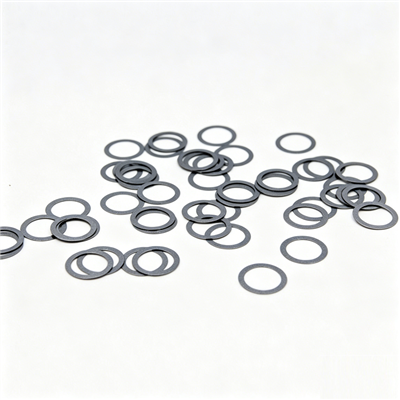
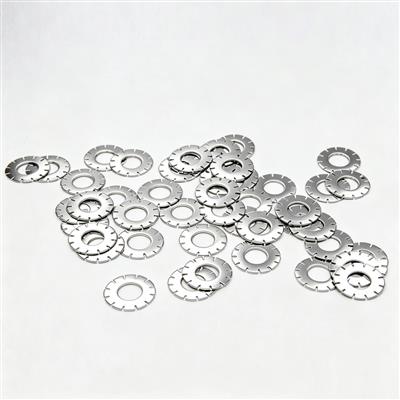
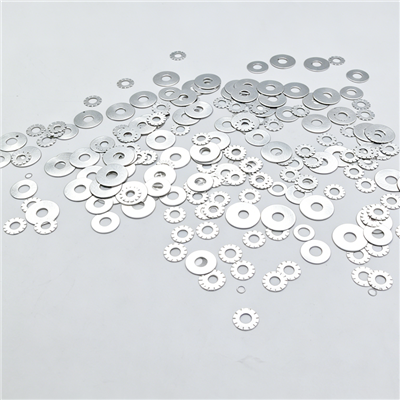
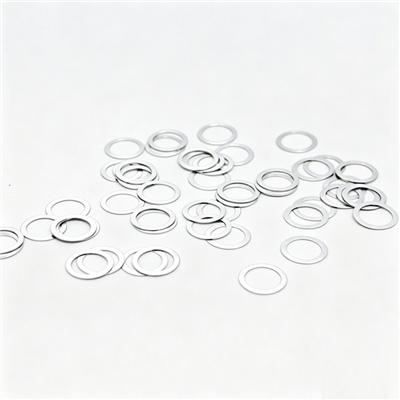
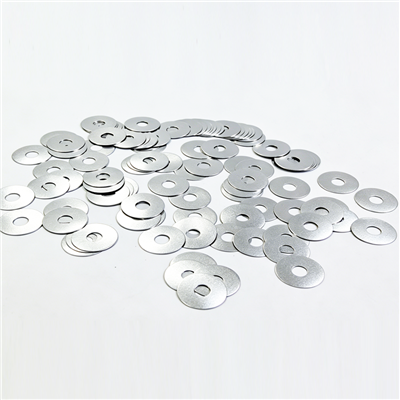
A steel shim, also called a valve shim or shock shim, is a thin precision disc fitted inside the shock absorber piston assembly. It is positioned in the piston valve system or the base valve system and works together with valve seats, springs and orifice passages to control oil flow. The part is small and inexpensive, yet it is one of the components that shapes how a damper behaves on the road. This guide covers what the shim does, the steel grades and dimensions used in production, how service life and warranty are defined, and what a buyer should prepare before requesting a quotation.
During the compression and rebound strokes of the shock absorber, the valve shim opens or closes as the oil flows. That movement regulates the flow rate of oil through the orifice passages and generates the required damping force. In practice the shim acts as a flexible one way valve: it seats against the valve seat at low oil flow and lifts at higher flow, and the amount of lift depends on the stiffness of the disc together with the support given by the discs behind it.
By stacking valve shims of different thicknesses, diameters and combinations, precise tuning of damping characteristics can be achieved. Adding a thicker disc close to the seat raises the pressure needed to open the stack, which increases low speed damping. Using a thinner or smaller diameter disc at the outer position allows earlier bleed and softens the response. Because the assembly is built from several discs, one piston body can be tuned for different vehicle weights, spring rates and load conditions without changing the housing.
Rebound shims sit on the piston rod side of the piston and control the oil displaced while the rod extends. Compression shims sit on the opposite side, and a separate stack in the base valve controls flow into the reserve chamber. The two stacks are normally tuned independently, so a replacement shim has to match the position as well as the outline. Fitting a compression shim into a rebound stack changes the damping balance even when the dimensions appear correct.
Production shims are made from hardened and tempered spring steel strip. The grade is selected according to the stiffness required, the fatigue strength target, the corrosion environment and the thickness that can be sourced. The table below lists the grades commonly used for shock absorber and damper shims.
| Grade | Type | Typical Notes |
|---|---|---|
| Sandvik 20C | Carbon spring steel | Consistent strip quality and fatigue behaviour, often selected for high volume damper stacks |
| SK4 / SK5 | Carbon tool steel | Widely available in thin strip, good hardness after hardening and tempering |
| C100S | High carbon spring steel | Used where higher strength is needed at thin sections |
| 65Mn | Manganese spring steel | Good balance of strength and toughness, common in general damper applications |
| 45# (C45) | Medium carbon steel | Used for thicker discs and where moderate hardness is sufficient |
| Stainless steel | 300 series, typically 301 or 304 | Chosen for humid, coastal or salt exposed applications and for better corrosion resistance |
Carbon spring steel offers higher stiffness for a given thickness and lower material cost, and it remains the usual choice for hydraulic damper shims that work in clean oil. Stainless steel shims resist corrosion where the damper fluid may absorb moisture, or where the assembly is stored and used in humid conditions. Stainless grades are supplied with different strength levels or a different hardening route, so a stack designed in carbon steel may need adjustment when it is converted to stainless.
Shims are hardened and tempered to obtain a fine grain structure and repeatable elasticity. Hardness is normally quoted on the Rockwell C scale and controlled inside a narrow band so that two batches deflect in the same way. Flatness matters just as much: a disc that is not flat cannot seal evenly on the valve seat, which leads to leakage and inconsistent damping. Production drawings therefore usually state the hardness range, a flatness limit, the burr condition and the permitted edge condition instead of the outline dimensions alone.
Shim geometry is defined by three figures: outer diameter, inner diameter and thickness. The parts are blanked from strip and can be produced across a wide size range, but the tolerances agreed at the quotation stage decide whether the finished stack behaves as intended.
| Parameter | Typical Range | What to State on the Drawing |
|---|---|---|
| Outer diameter | 4 mm to 60 mm | Nominal size with tolerance and a reference datum |
| Inner diameter | 0 to 50 mm | Bore size and tolerance, or a blank disc where no bore is required |
| Thickness | 0.1 mm to 1.0 mm | Nominal thickness and tolerance band, usually the tightest single requirement |
| Flatness | Depends on diameter and thickness | Maximum gap allowed over the sealing face |
| Hardness | Hardened and tempered spring steel | Range on the Rockwell C scale |
| Surface and edge | Blanked or fine blanked edge | Burr height, edge condition and cleanliness requirement |
Stack stiffness responds strongly to the thickness of the individual disc, so a small thickness deviation changes the opening pressure more than the same deviation in diameter. Buyers who resell shims into damper rebuild kits should agree the thickness tolerance band in writing and ask which measurement method will be used, because two suppliers can quote the same nominal thickness and still deliver stacks that behave differently.
A blanked edge can carry small burrs that mark the valve seat or trap debris. A defined burr limit and a cleaning step before packing reduce the risk of contamination in the oil circuit. For demanding applications, a fine blanked or deburred edge with a specified surface condition is a practical alternative to a standard blanked edge.
Under normal operating conditions a correctly specified shim stack is typically expected to stay serviceable for no less than about 100,000 km or five years. Measured life depends on oil condition, operating temperature, contamination and how often the damper works through full stroke, so endurance figures should always be read together with the application.
Development and production follow the IATF 16949 quality management system. A warranty of one year or 100,000 km, whichever comes first, is commonly offered and covers material and manufacturing defects. Damage caused by contaminated oil, handling during assembly or use outside the rated application normally falls outside the warranty, so the terms should be confirmed with the supplier in writing.
Custom development is supported on the basis of samples or drawings supplied by the customer. Different outer diameters, inner diameters and thicknesses can be produced, and the process covers material selection, heat treatment, tooling and mass production through to packing. Where a buyer has a damping target rather than a finished drawing, validation support can be arranged so that the stack is confirmed before volume production begins.
A typical project starts with size confirmation from a sample or drawing, followed by a trial batch for fit and function testing on the damper dynamometer or on the vehicle. Once the stack is accepted, tooling and process parameters are fixed and production follows the agreed inspection plan. Keeping the approved sample and the measurement records on file makes repeat orders easier to control, especially for thin shims where the measurement method can affect the result.
A valve shim is a single disc. A shim stack is the set of discs assembled on the piston or base valve in a defined order. The stack as a whole sets the damping curve, so single discs are normally supplied as part of an agreed combination.
Yes. Custom sizes are produced from samples or drawings, with outer diameters from about 4 mm to 60 mm, inner diameters from 0 to 50 mm and thicknesses from 0.1 mm to 1.0 mm. Tighter tolerances are possible within process limits and are best discussed before quoting.
Carbon spring steel such as SK5 or 65Mn is the usual choice for standard hydraulic dampers because it provides the required stiffness at a moderate cost. Stainless steel is preferred where moisture, road salt or long storage in humid conditions is expected, provided the stack is reviewed for the different material properties.
Keep them dry, in the original packing, away from dust and moisture. Thin discs deform easily, so loose storage in open bins should be avoided and the parts should be handled by the edge. Rust free storage and careful handling protect flatness and the sealing face.
Bonporaparts produces steel shims for shock absorbers alongside piston rods, valve parts and other hydraulic damper components. Send a sample or a drawing and the team will confirm material, dimensions and tolerances for your application. You can review the full steel shim range, browse the related shock absorber parts category, read the shock absorber shim stack overview, or send your requirements through the contact form.