sales@bonporaparts.com
0086-10-64988621
English
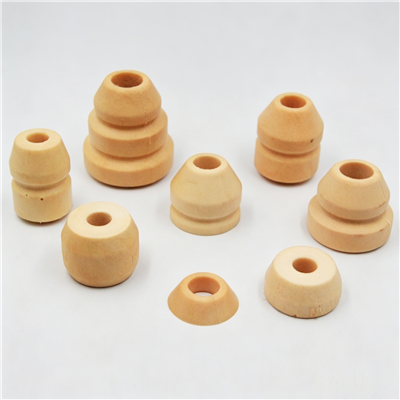
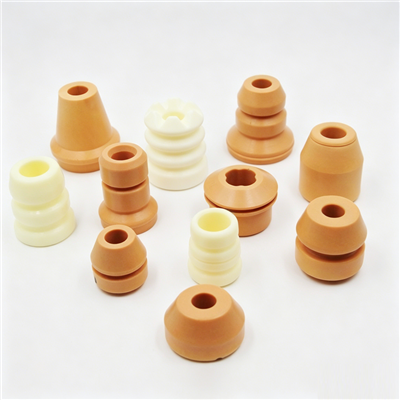
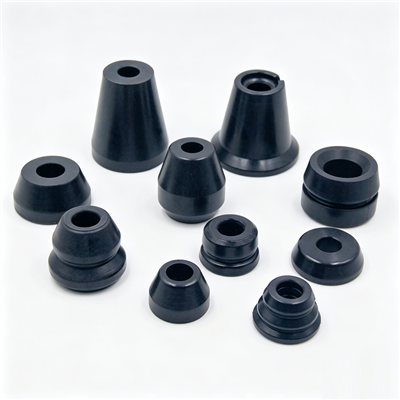
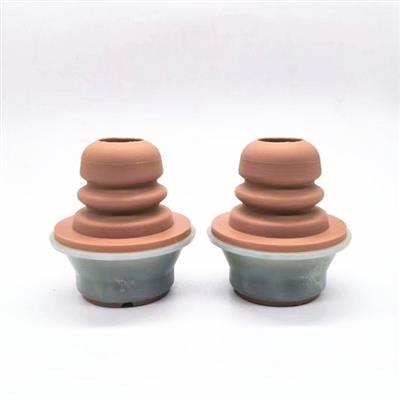
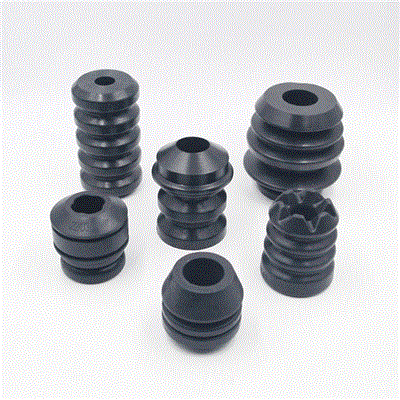
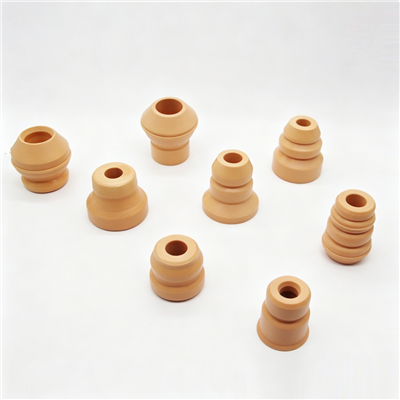
The part described in the source row is a jounce bumper, also called a bump stop, bump rubber, rubber buffer or strut bumper. It is a high elasticity polyurethane component fitted in the suspension damper of off-road vehicles, race cars and motorcycles, where it provides progressive stiffness during large compression, prevents metal to metal contact and absorbs high impact energy. On a motorcycle rear shock it also acts as an end stop and reduces chain impact.
Because it sits inside the damper and only works near the limit of travel, it is easy to ignore until something else fails. By the time a driver reports a harsh bottoming noise, the bumper may already be extruded or torn, and the shock absorber it was protecting has been taking direct impacts. For an operator running a fleet of pickups, a rental 4x4 fleet or a competition team, that sequence turns a low cost part into a suspension rebuild.
Inspection frequency should follow the way a vehicle is used, not the calendar alone. Group the fleet into three duty bands and assign an interval to each.
| Duty band | Typical use | Inspection interval |
|---|---|---|
| Light | Mostly sealed road, occasional gravel, no heavy load | Every major service |
| Medium | Regular unsealed road, site work, loaded pickups | Every 10,000 km or quarterly |
| Heavy | Rock sections, jumps, desert heat, competition or rental abuse | Every event, or monthly |
| Motorcycle off-road | Trail and enduro use, rear shock end stop | Every 20 to 30 riding hours |
The bands matter because the same bumper carries very different numbers of impacts in each one. A vehicle in the light band may reach the design life quoted in the source row, no less than 5 years or 80,000 km, while a heavy band vehicle reaches the same number of load cycles in a fraction of that distance.
On most vehicles the bumper is visible with the wheel removed and the suspension at full droop. Look for a change of colour or a chalky surface, a polished ring where the bumper has been striking, cracks running around the section, and any sign that the part has deformed and no longer sits square on its seat.
Drivers are the cheapest sensors available. Ask them to report three things: a new harsh noise when crossing a compression, a feeling that the rear of the vehicle settles harder than before, and any change in ride height or handling after a heavy load. A short written report, even a message on the fleet group, is enough if the log is actually read.
Record the inspection as either pass, monitor or replace. A part marked monitor is inspected again at half the normal interval, so that a developing crack is caught before it becomes a field failure. Without that middle category, technicians tend to write pass until the part is beyond doubt.
| Signal | What it suggests | Action |
|---|---|---|
| Visible crack around the section | Fatigue damage, made worse by ozone exposure | Replace the part |
| Permanent shortening or bulging | Compression set from heat and load | Replace and check the travel setting |
| Missing section or torn strike face | Extrusion past the seat or a severe impact | Replace and inspect the damper |
| Polished, glossy contact ring | Suspension riding on the stop in normal use | Review spring rate and travel, then replace |
| Chalky, dull surface | Ageing, common on externally mounted stops | Monitor closely, replace at the next service |
| Oil contamination nearby | A damper seal leak, not a bumper fault | Repair the damper before fitting a new bumper |
The last row is worth stressing. Fitting a new bumper onto a leaking damper simply destroys the new part at the same rate as the old one.
The stated temperature range is minus 40 to plus 100 degrees Celsius, which means the same part is used in desert heat and in snow. Both extremes shorten the interval in a different way. In sustained heat the elastomer softens and takes a compression set, so vehicles working in high ambient temperatures should be inspected more often for permanent deformation. In deep cold the material stiffens and impacts are harsher, so the crack inspection becomes the priority.
Dust and fine sand add a third factor. Grit that reaches the seating area acts as an abrasive and can wear the contact face, so vehicles used on dry unsealed roads should have the area cleaned and inspected at each service rather than being judged by appearance alone.
Spare stock planning for this part is straightforward once the fleet is in bands. Count the vehicles in each band, apply the expected annual replacement rate, and add a buffer for the longest lead time in the supply chain.
| Fleet size | Suggested shelf position | Notes |
|---|---|---|
| Up to 10 vehicles | Two or three references, small quantity each | Group with the shock service kit |
| 10 to 50 vehicles | Full set of references for the fleet, quarterly replenishment | Hold the two most common sections in depth |
| Over 50 vehicles | Reference matrix by model and travel, monthly review | Agree a replenishment lead time in writing |
| Race or rental team | Event kit per vehicle, plus one spare set | Treat as a consumable, not a repair item |
Store the parts out of direct sunlight and never under a stack of heavy cartons. A bumper that has been compressed in storage for months may not recover fully, which is a costly way to consume good stock.
On motorcycles the bumper works harder than the mileage suggests. The source row notes a design life of no less than 3 years or 30,000 km, with the additional duty of acting as a rear suspension end stop and reducing chain impact. For a trail or enduro fleet the useful interval is measured in riding hours rather than distance, and the inspection should include the chain run as well, because repeated chain impact is itself a warning that the stop is working harder than intended.
Because access is easier on a motorcycle, a small team can hold one set per bike and replace at each shock service rather than waiting for a failure signal.
After a few months the maintenance log will show which vehicles consume bumpers faster. Three patterns are worth checking. If replacements cluster on one model, the travel or spring setup on that model may be driving the suspension onto the stop. If they cluster on one driver, the usage profile is the cause. If they cluster in one season, climate is the cause.
Each pattern leads to a different fix: a setup review, a driving brief or a seasonal interval change. The value of the log is that it turns a series of individual repairs into a plan for the next year.
When the bumper is replaced, the sequence below keeps the work honest and prevents the new part from being damaged by an underlying fault.
Steps one and three are the ones most often skipped, and they are the two that decide whether the replacement lasts.
There is no fixed interval that fits every fleet. Group vehicles by duty band, inspect at the interval assigned to that band, and replace on the wear signals above. The design life quoted in the source row, no less than 5 years or 80,000 km for off-road vehicles, assumes standard off-road operating conditions and is a design target rather than a guarantee for competition use.
Where the damper is being rebuilt and the bumper shows no crack, no permanent deformation and no damaged strike face, reuse is reasonable in a light duty band. In a heavy duty or competition band the low cost of the part against the cost of a suspension failure usually argues for replacement.
Almost always the vehicle setup rather than the part. A spring that has sagged, a lift kit that has not been matched with the travel, or a load that is routinely over the design figure will drive the suspension onto the stop and consume the bumper quickly.
Yes, in most cases. The damper is already open or removed, the access cost has been paid, and the old bumper has absorbed the impacts that killed the previous damper. Replacing both together is the standard workshop practice.
Bonpora Parts and Components supplies polyurethane jounce bumpers and suspension buffers for SUVs, pickups, race cars and motorcycles, with custom sections produced to sample or drawing. Review the off-road range, read the jounce bumper selection guide and the failure analysis article, or look at the polyurethane bump stop range. For fleet programmes, send your vehicle list and duty bands through the contact page and the team will propose a reference matrix and a replenishment plan.