sales@bonporaparts.com
0086-10-64988621
English
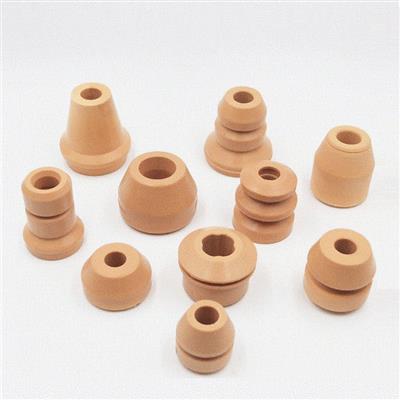
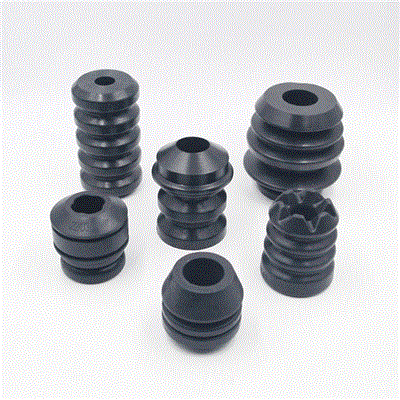
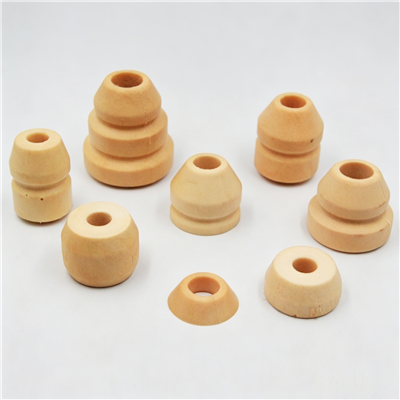
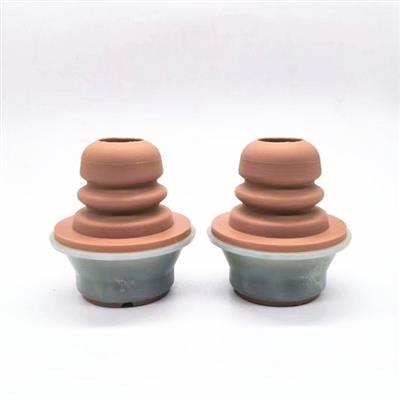
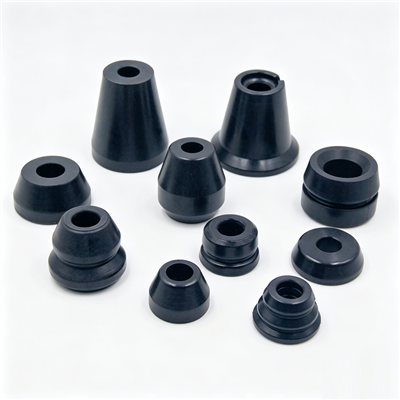
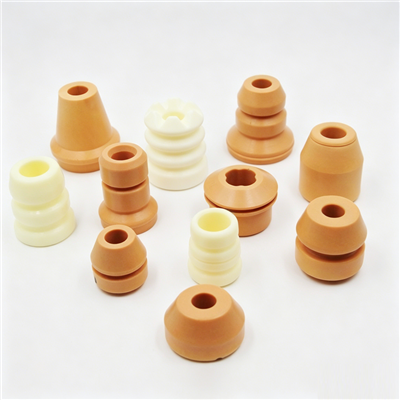
The jounce bumper described in the Bonpora source row is an elastic component typically made of high-elasticity polyurethane using MDI or NDI chemistry. It is installed in the suspension damper of off-road vehicles, including SUVs, pickups and race cars, as well as on motorcycles and motorsport vehicles, and is also known as a bump stop, bump rubber, rubber buffer or strut bumper.
Buying this part in volume differs from buying a bolt-on commodity item. A road car bumper is usually identified by a vehicle reference and that is enough. An off-road bumper is part of a setup: two vehicles of the same model may need different bumpers because one runs standard springs and the other runs a lift kit with different travel. As a result, the reference number is a starting point and the travel and stiffness data are the real specification.
That difference is also the opportunity. A supplier who can work from travel, stiffness and mounting dimensions rather than from a fixed catalogue can serve the modified and motorsport market that the vehicle manufacturers do not cover. The source row states that customisation is accepted on exactly those three inputs, working from a sample or a drawing.
Plan the range around the applications your customers actually work on, and keep the applications separate on the shelf, because the same visual shape can hide a different stiffness curve.
| Application | Range driver | Stock note |
|---|---|---|
| SUV | Vehicle family and travel | Separate lifted from standard applications |
| Pickup | Load case and rear travel | Check the gap at full load, not at kerb weight |
| Race car | Setup and stiffness curve | Treat as a specification item, not a stock line |
| Motorcycle rear shock | Shock model and travel | Small sections, handle carefully in storage |
| Motorsport support | Event usage and service window | Group with the shock service kit where possible |
For each line decide whether it is a fast mover, a workshop item or a special order. Fast movers justify a stock position and a private label; special orders are better quoted on demand with an agreed lead time so that working capital is not tied up in slow lines.
The single most important number is the space available between the bumper seat and its contact face at full bump. If that space is smaller than the section of the part being ordered, the bumper will extrude, so the full bump dimension should be measured on the vehicle rather than assumed from the model.
Ask the customer what the vehicle should do at the limit, and convert it into a force at a given deflection. A race team can usually state this directly, while a workshop customer may only be able to say whether the current setup feels too soft or too hard. Either answer is usable if it is written down.
Shaft diameter, seat diameter, contact pad size and any washer or sleeve interface should be quoted with tolerances. Where the part is an external stop, the bolt pattern and the angle of the mounting face matter as much as the section.
State the climate, the typical surface and whether the vehicle is used competitively. The source row quotes a temperature range of minus 40 to plus 100 degrees Celsius, suitable for high-temperature desert and low-temperature snow environments, and notes that the compound can be adjusted where the application demands it.
Quality control for the parts described in the source row complies with IATF 16949, and the tests named are the stiffness curve, fatigue life, tear strength and ozone ageing resistance. Each one answers a different question, so ask for the report that matches the risk in your market.
| Test | Question it answers | When to insist on it |
|---|---|---|
| Stiffness curve | Does the part reach the right force at the right deflection | Every new reference |
| Fatigue life | How many cycles before failure | Long-travel and heavy duty applications |
| Tear strength | How fast a defect grows after impact | Rock crawling and competition use |
| Ozone ageing | How the surface survives outdoor exposure | Externally mounted stops |
| Hardness | Whether the compound matches the approved formulation | Every batch, as an incoming check |
Hardness is the cheapest incoming check available and needs no test rig, which is why it belongs in every inspection plan even when the full reports are held by the supplier.
A sample order is the lowest cost risk control in this product line. Ask for one to three pieces per candidate reference, check the section and the seat dimensions against the vehicle, and fit one to a vehicle that is used the way your customers use theirs.
Set the acceptance criteria before the sample arrives: section and seat dimensions within the stated tolerance, hardness within the agreed band, and no visible defects such as short fills or flow marks. After the trial, record the mileage or the number of events and the condition of the part. For a competition customer, the useful measure is the number of events rather than the distance.
Where a new reference is being created rather than matched, the same discipline applies. Fit the first article over the full travel with the wheels off the ground so that contact is made slowly, and inspect the contact pattern on the strike pad before the vehicle is driven in earnest.
Unit price is not the purchase cost. Compare offers on the same basis using the lines below.
| Cost line | What to confirm |
|---|---|
| Unit price by quantity break | The break applies to the reference you order |
| Minimum order quantity | Per reference or per shipment |
| Tooling or setup charge | Whether a drawing-based part carries a one-off cost |
| Sample charge | Whether it is refunded against the batch order |
| Packaging | Bulk carton, individual bag or private label |
| Freight and insurance | Method, transit time and who arranges it |
| Duty and clearance | Rate applied and the broker used |
| Warranty handling | Claim process and who pays the return freight |
Packaging needs particular attention for this part. Polyurethane can be deformed by tight packing or by the weight of cartons stacked above, and a part that has been held compressed for months may not recover fully before it is fitted. Agree the carton size and the loading pattern rather than leaving the decision to the packing station, and keep the parts out of direct sunlight in your own warehouse.
The source row states a warranty of 1 year or 30,000 km covering material and manufacturing defects, with the explicit note that the period may be adjusted for modified or racing applications because the usage intensity varies. That is a fair position, but it has to be handled deliberately rather than discovered at the first claim.
Three practices keep claims factual. Record the application and the travel data on the order, so that the part supplied can be matched to the vehicle it was intended for. Keep the removed part when a claim is raised, because the failure mode is the strongest evidence available. And separate material or manufacturing faults from wear caused by a setup that drives the suspension onto the stop, since the second category is a design issue on the vehicle rather than a defect in the part.
Score every candidate on the same scale so that the comparison is factual.
| Criterion | What to score |
|---|---|
| Technical capability | Ability to work from travel, stiffness and mounting data |
| Compound range | MDI and NDI options and the evidence behind them |
| Quality system | Certification, inspection discipline, traceability |
| Sample responsiveness | Speed and clarity of the first article |
| Production lead time | Stated versus actual performance |
| Packaging quality | Protection against compression in transit |
| Commercial flexibility | Attitude to trial quantities and mixed references |
| Warranty conduct | How claims on modified vehicles have been handled |
Two customer types need different stock treatment. A workshop wants a small number of references on the shelf so that a shock rebuild is not delayed, and it will normally accept a standard section and hardness. A retail counter wants breadth, because walk-in customers arrive with a vehicle rather than with a specification.
A practical arrangement is a workshop kit holding the two or three most common sections in each size band, and a counter range covering the popular vehicle families with clearly labelled application notes. Because the design life quoted in the source row is measured in years as well as distance, no less than 5 years or 80,000 km for off-road vehicles and no less than 3 years or 30,000 km for motorcycles, stock rotation matters as much as the quantity held.
Four mistakes account for most of the problems in this line. Ordering from a reference list without a sample produces returns once the customer measures the section. Specifying by appearance leaves the stiffness unverified. Comparing landed cost without the packaging and freight lines hides a real difference between offers. Finally, accepting a warranty statement that was never written into the purchase order leaves the claim process undefined at the moment it is needed.
Verified samples, written travel and stiffness data, and a clear packaging agreement remove all four at low cost.
Sometimes, but only when the travel and the mounting interface match. The source row lists off-road vehicles and motorcycles as the application family, and the fitment is established from travel and mounting dimensions rather than from the vehicle name alone.
A sample for bench and vehicle verification, followed by a small trial quantity, before any stock position is committed. The trial result on a real vehicle tells you more than the price break does.
For a general off-road range, an MDI system covers a wide span of applications. Where customers compete or run high dynamic loads, keep an NDI option available and quote it against the application data.
Agree the terms in writing on the order, record the intended use, and keep the failed part. The source row already allows the period to be adjusted for modified or racing applications, so the discussion should be settled before the order is placed rather than after a failure.
Bonpora Parts and Components supplies jounce bumpers and polyurethane suspension buffers for off-road vehicles, race cars and motorcycles, and produces custom parts to sample or drawing. Review the off-road vehicle range, read the jounce bumper selection guide and the failure analysis article, or compare the polyurethane bump stop range. Drawing-based projects are handled by the custom parts service, and the contact page reaches the sales and engineering team with your travel data and reference list.